Malaysia Reverses Deportation Stance Amidst Rohingya Disinformation Crisis
The Malaysian government has clarified it will not deport refugees facing persecution, contradicting earlier statements about repatriating 5,000 nationals, as a surge in digital hostility forces over 100 Rohingya from their homes.
The Malaysian government has reversed its position on the repatriation of Myanmar nationals, affirming that it will not deport refugees who face a risk of persecution. This policy clarification comes shortly after initial announcements that 5,000 individuals in immigration detention would be sent back to Myanmar, a move that sparked significant concern among human rights organisations and refugee advocates.
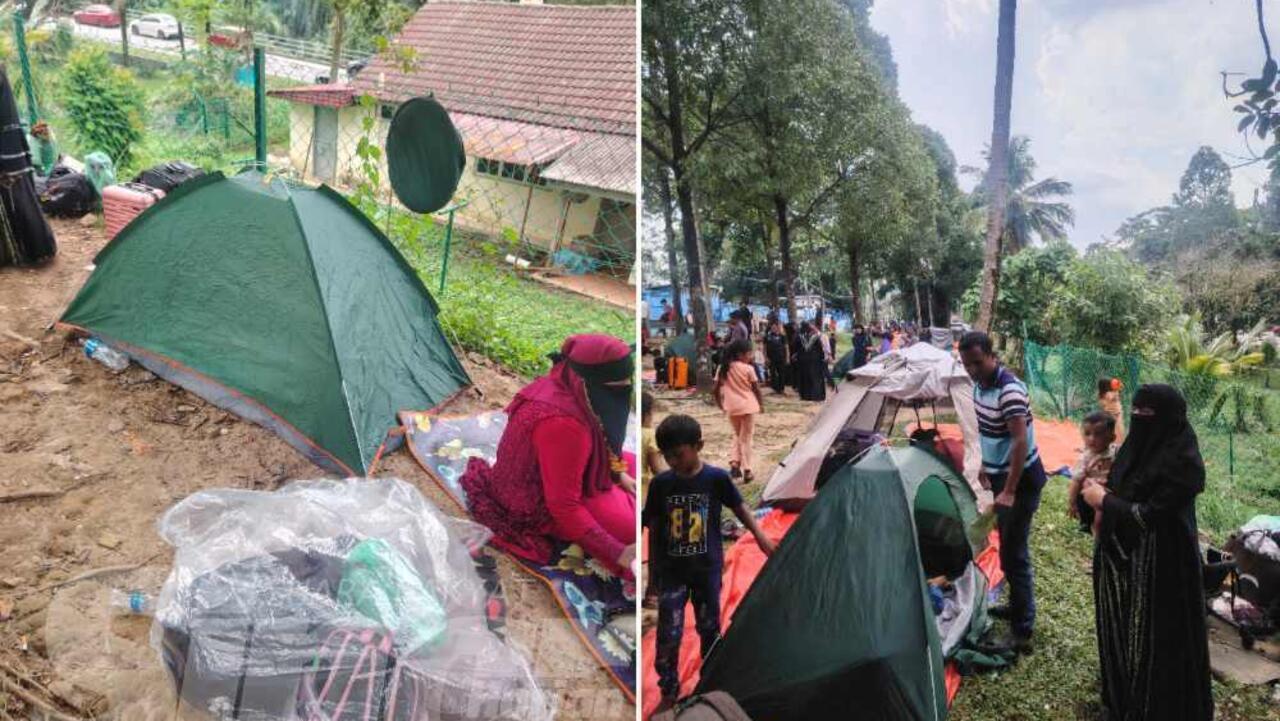
The diplomatic pivot follows a period of intense social media disinformation that has destabilised the Rohingya community in Penang. Since April 2026, online campaigns have spread false claims that refugees are demanding special rights and land, leading to harassment of students and threats against non-governmental organisations. The digital hostility has manifested in physical consequences, including the eviction of more than 100 Rohingya refugees from a fishing village in Kuala Muda and the temporary closure of at least nine community schools.
On 23 July, the deputy foreign minister informed Parliament that 5,000 Myanmar nationals held in detention centres would be repatriated. By 30 July, Prime Minister Anwar Ibrahim stated that Myanmar had agreed to accept these asylum seekers. However, Communications Minister Fahmi Fadzil announced on 5 August that the government would not proceed with deportations if the individuals faced persecution, effectively nullifying the earlier repatriation plan.
The unrest has severely impacted daily life for the refugee population. In Penang, neighbours erected signs urging Rohingya residents to leave, resulting in families being escorted to buses bound for Kuala Lumpur. Upon arrival, they sought assistance at the United Nations High Commissioner for Refugees (UNHCR) office before being detained by police for document checks. They were subsequently released into the care of local NGOs.
Educational institutions for refugees have also been forced to shut their doors due to safety concerns. Teachers report that children have been chased and harassed on their way to school, with some incidents shared on social media. While some schools have reopened, staff have advised students not to wear uniforms to avoid attracting attention. The lack of legal protection under Malaysian law, as the country is not a signatory to the 1951 Refugee Convention, leaves the community vulnerable to exploitation and displacement.