Malawi liquidates gold reserves to stave off fuel crisis
Analysts warn the strategy is unsustainable as global oil volatility and domestic economic fragility cripple essential services
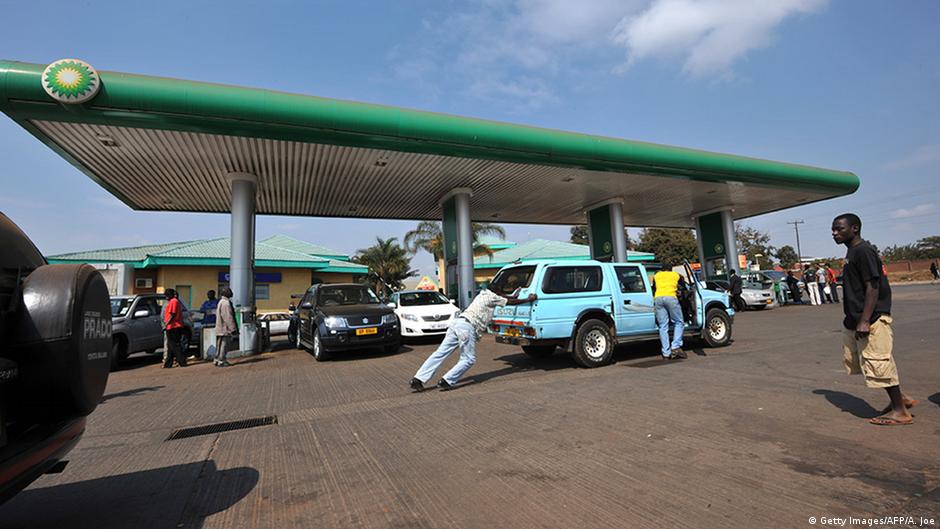
Most filling stations across Malawi remain dry, leaving long queues to form in urban centres and rural areas alike. In the capital, Lilongwe, business owners report that operational costs have skyrocketed, forcing some to halt operations entirely. Isaac Banda, a local resident, noted that the scarcity has made travel between locations increasingly difficult, while food and grocery prices have risen in tandem with the cost of transport.
The government has responded to the supply shortfall by liquidating approximately $30 million worth of gold reserves to purchase fuel. This move comes as petrol prices have surged to around US$3.83 per litre, ranking as the second highest globally. While officials reassure the public that the nation is not running out of fuel, the reality on the ground sees essential services struggling to function. Maziko Matemba, a health rights activist in Blantyre, warned that the scarcity could severely impact healthcare provision, noting that ambulances may fail to operate as expected due to the lack of diesel and the low budgets of hospitals.
The crisis is attributed to a combination of high global oil prices, reliance on foreign suppliers, and a domestic economy heavily dependent on tobacco exports. Michael Kaiyatsa, Chairperson of the Human Rights Defenders Coalition, highlighted that tobacco revenues have diminished due to World Health Organization bans on public smoking. He argued that the economy urgently requires diversification into tourism and formal mining sectors to generate hard currency, a strategy experts including the World Bank also advocate.
Historical precedents suggest that such shortages can quickly destabilise the nation. Kaiyatsa recalled that similar fuel crises in 2011 led to nationwide demonstrations across the country. The current situation is further exacerbated by global uncertainty regarding the war in Iran and the potential closure of the Strait of Hormuz, which has kept oil prices elevated with little prospect of a speedy resolution.
Financial data from early 2026 indicates that Malawi's public debt stands at 23.9 trillion kwacha, or roughly $13.92 billion, with approximately 65 per cent classified as domestic debt. Given that the country can ill afford to borrow more money, the decision to sell gold reserves appears to be a desperate measure to secure foreign exchange. However, analysts describe this liquidation of national assets as unsustainable, particularly when compared to the significantly lower fuel costs seen in neighbouring Zambia.
The structural issues facing the nation remain unresolved, with past administrations prioritising agriculture and farm input subsidies over other priority areas like tourism. Despite tourism being identified as a key sector, budget allocations have been described as inadequate. As the fuel shortage deepens, the government faces the difficult task of balancing immediate energy needs with the long-term imperative of economic reform.