Macron Rejects Environment Minister’s Resignation Amid Pesticide Policy Dispute
Tension rises within the Elysee as the government balances agricultural legislation against environmental commitments, with the minister’s team arguing that climate action cannot be delayed.
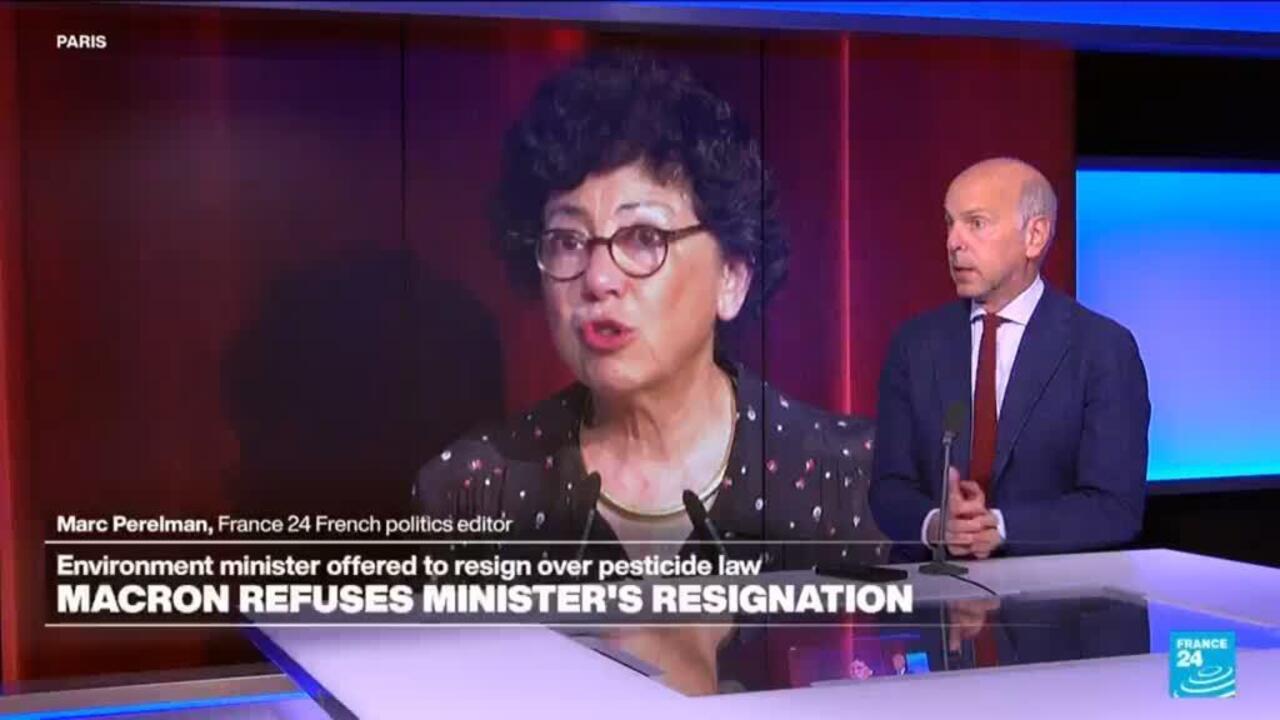
French President Emmanuel Macron has formally rejected the resignation of Environment Minister Monique Barbut, maintaining her position within the government despite her strong objections to recent legislative moves. The decision, confirmed on Wednesday, underscores the administration’s prioritisation of immediate climate action over internal policy disagreements regarding agricultural inputs.
Barbut had submitted her resignation in direct protest against a bill that seeks to reintroduce controversial pesticides. The legislation has sparked significant debate within the cabinet, highlighting a fracture between environmental objectives and the practical demands of agricultural policy. By refusing to accept her departure, Macron has signalled that the current government structure must remain intact to address pressing ecological challenges.
In a statement released on Wednesday, Barbut’s team clarified the rationale behind the President’s decision. They emphasised that the "urgency" to act on climate change necessitates her continued presence in the role. The team argued that the political fallout from the pesticide bill should not impede the government’s broader mandate to implement climate measures, suggesting that the minister’s expertise is critical during this period.
The incident reveals the complex balancing act facing the French executive. While the reintroduction of pesticides has drawn criticism and prompted the minister’s attempt to resign, the administration appears unwilling to allow this dispute to destabilise its environmental agenda. The refusal to accept the resignation suggests a strategic choice to retain key personnel for the sake of policy continuity, particularly in areas deemed time-sensitive.
As the bill moves through the legislative process, the government faces scrutiny over how it manages the tension between industrial interests and environmental stewardship. The source material does not specify the exact identity of the pesticides involved or the current status of the bill in parliament, leaving the precise legislative implications open to interpretation. However, the political signal from the Elysee is clear: climate action remains the overriding priority, even when it conflicts with other policy goals.