Lula rejects US tariff proposal as Brazil-US trade detente stalls
Proposed 25 percent duties on select imports follow Section 301 investigation, contradicting public trade data and complicating Lula’s re-election campaign.
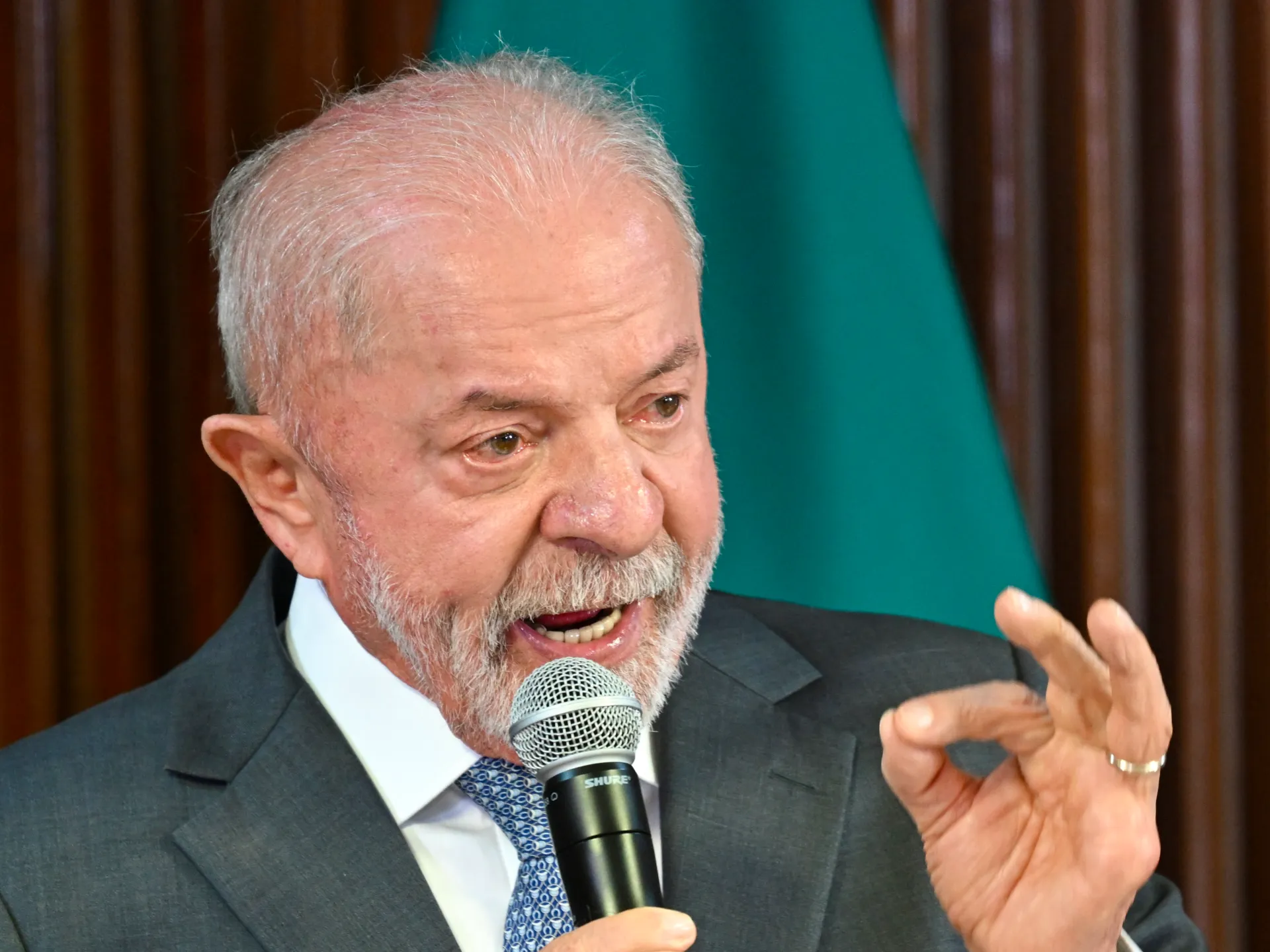
Brazilian President Luiz Inacio Lula da Silva has formally rejected a newly proposed 25 percent tariff on certain Brazilian imports, stating he could not accept the treatment his nation had received. The announcement by the Trump administration marks a sharp reversal from the optimism Lula expressed following a May meeting with President Donald Trump, despite bilateral trade talks remaining active. Lula described the move as a surprise, noting that relations had appeared to be improving prior to the latest policy announcement.
US Trade Representative Jamieson Greer justified the proposal under Section 301 of US trade policy, citing an investigation into alleged unfair trade practices. The probe focused on issues including illegal deforestation, restrictions on ethanol market access, and anticorruption enforcement. Greer concluded that these practices were unreasonable and burdened US commerce, though he also cited a "giant" trade deficit between the two nations. Public data contradicts this assertion, showing that the US maintained a trade surplus with Brazil in March, with Brazil purchasing $420 million more in goods than it exported.
The tariff strategy represents a pivot in US trade enforcement following the US Supreme Court’s decision in February to strike down previous global tariffs imposed under the International Emergency Economic Powers Act. The new measures rely on the Trade Act of 1974, which allows for penalties regarding trade practices deemed unfair. The proposal includes a public comment period concluding in early July and exempts several key Brazilian exports, including beef, coffee, rare earths, other metals, energy products, and aircraft parts.
Tensions between the two nations have persisted throughout the first year of Trump’s second term, which began on January 20, 2025. Lula has been a vocal critic of the administration’s approach to Latin America, including the January 3 attack on Venezuela and increased US military presence in the Caribbean. Conversely, Trump has accused the Brazilian government of censoring right-wing voices and maintains close connections to former President Jair Bolsonaro and his family. Previous tariffs reaching 50 percent were imposed last year after Bolsonaro was brought to trial for attempting to subvert Brazil’s democracy.
Bolsonaro was subsequently convicted and sentenced to 27 years in prison for efforts to overturn his 2022 election defeat to Lula. The current tariff proposal coincides with a tight re-election race for Lula in November against Flavio Bolsonaro, the eldest son of the former president. While Lula stated that Brazil still wishes to build institutional relations with the US, he indicated that the government would seek alternative trade partners if necessary.