Lula launches bid for unprecedented fourth term in Brazil
Luiz Inácio Lula da Silva has opened his campaign ahead of Brazil’s 4 October election, confronting Flavio Bolsonaro and deep voter concerns over security and living costs.
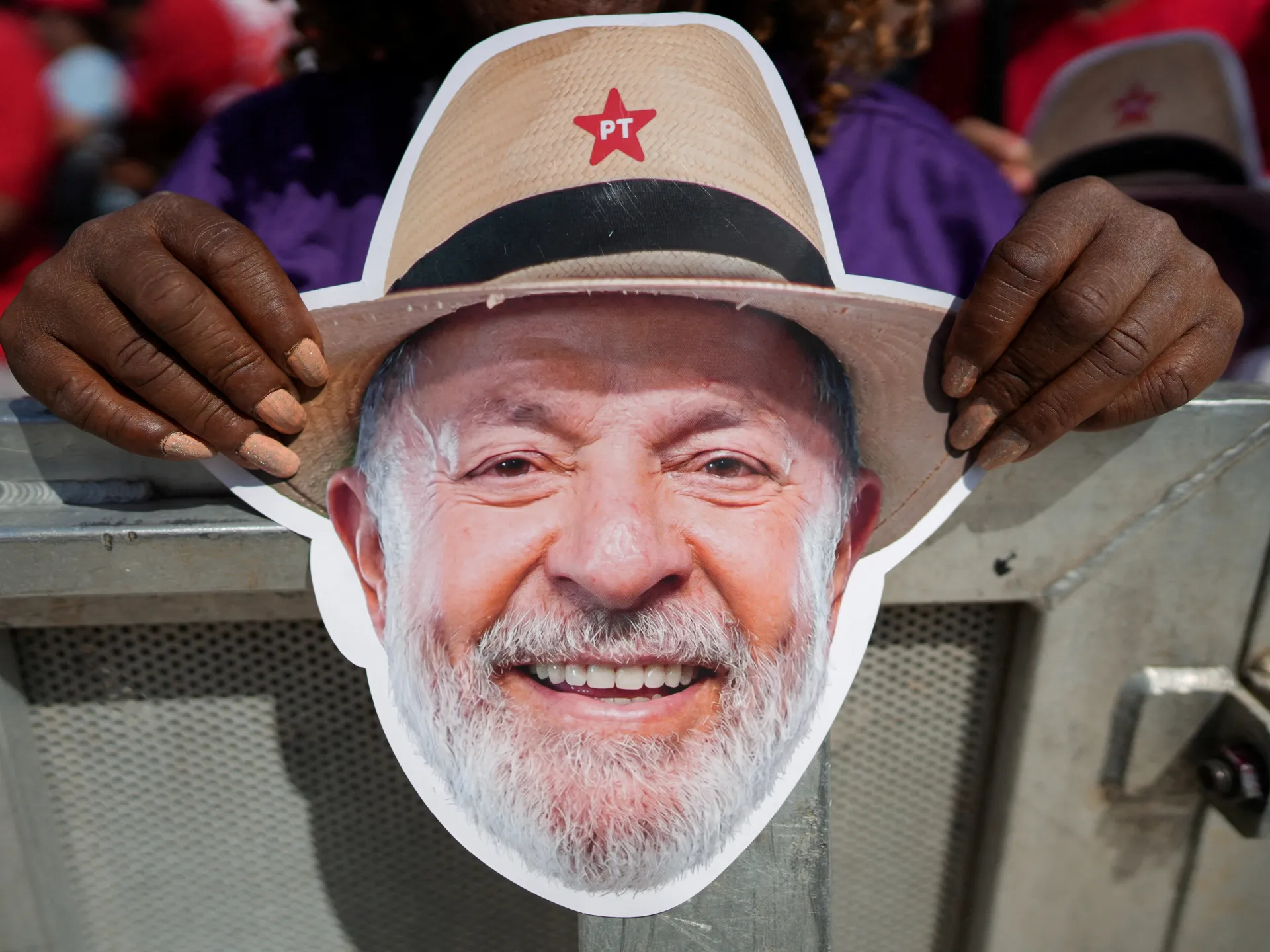
Brazilian President Luiz Inácio Lula da Silva has launched his campaign for an unprecedented fourth term, returning to the May 1 Stadium in São Bernardo do Campo, where his political career began as a union leader.
The 80-year-old president will face Flavio Bolsonaro, a 45-year-old senator who secured his party’s nomination with the endorsement of his father, former president Jair Bolsonaro. Lula narrowly defeated Jair Bolsonaro by 1.8 percentage points in 2022.
Public security is expected to be central to the contest. Research firm Quaest found that 33 per cent of voters ranked violence as their primary concern, more than twice the share that nominated the economy. Lula has promised a dedicated Public Security Ministry, while Flavio Bolsonaro has backed tougher measures including five maximum-security “mega-prisons”.
Economic performance presents a more complicated picture for the incumbent. Gross domestic product growth has averaged just under 3 per cent during Lula’s current term, while unemployment stood at 5.1 per cent at the end of 2025. However, debt, high interest rates and rising living costs have continued to weigh on public sentiment.
The government has responded with credit expansion, tax exemptions, fuel subsidies and debt forgiveness. Brazil’s relationship with United States President Donald Trump has also assumed an unusual role in the campaign, following tariffs on Brazilian goods and Trump’s criticism of the prosecution of Jair Bolsonaro.
Al Jazeera reported that a September Datafolha poll put Lula ahead of Flavio Bolsonaro by 46 per cent to 43 per cent in a possible run-off. Both candidates face high rejection rates, leaving the contest dependent on a narrow group of undecided voters before the 4 October election.