Louvre’s Apollo Gallery Reopens Without Jewellery Following 2025 Heist
The historic gallery reverts to its 17th-century function as a state space, with the eight stolen crown jewels still missing and a new windowless vault under construction.
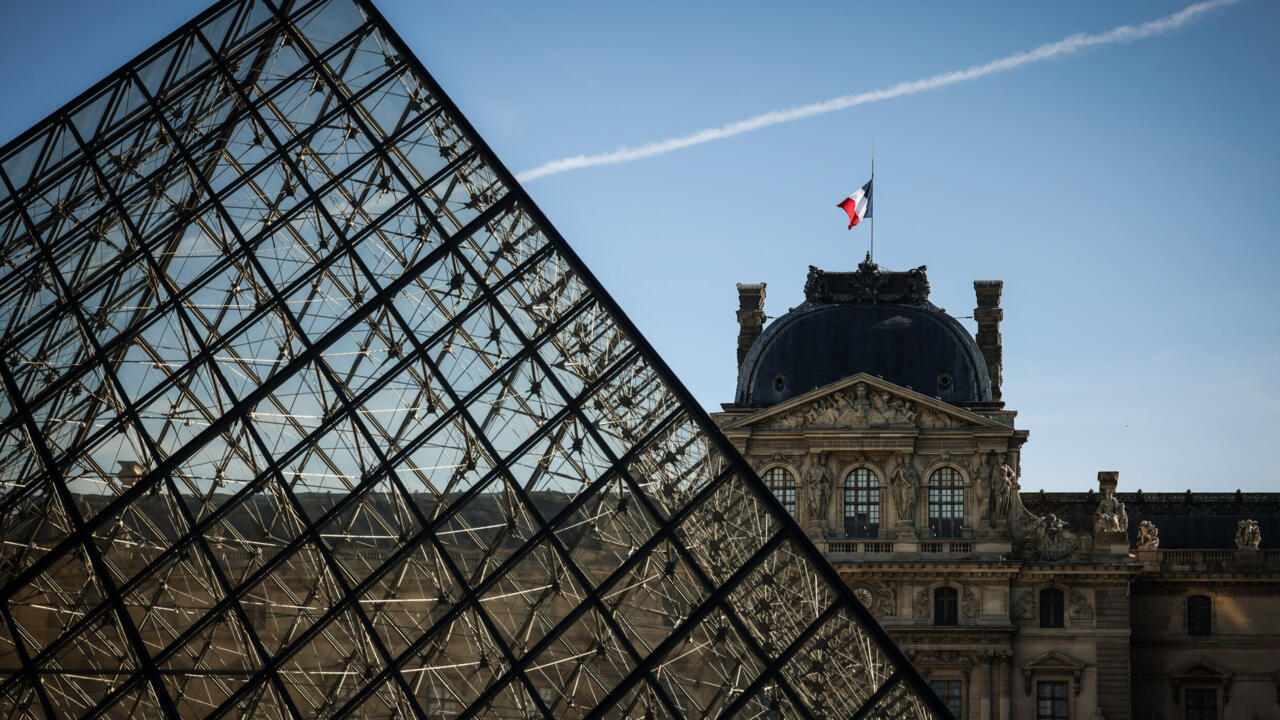
The Apollo Gallery at the Louvre Museum in Paris is set to reopen to the public on Wednesday, marking the first significant step in the institution’s recovery following the brazen theft of eight French crown jewels in October 2025. The gallery will reopen without any jewellery on display, reverting to its original function as a 17th-century state gallery. French Culture Minister Catherine Pegard is expected to attend the reopening ceremony, underscoring the government’s focus on the institution’s institutional stability.
The decision to strip the gallery of its remaining precious objects follows a security breach that saw robbers disguised as construction workers use a truck-mounted lift to enter the space on 19 October 2025. The theft, which involved items valued at 88 million euros, left the eight crown jewels missing and triggered an internal crisis at the museum. Museum president Christophe Leribault confirmed that all "collections and precious objects" previously displayed in the Apollo Gallery have been removed to ensure their safety.
In response to the security lapses exposed by the heist, the Louvre is undertaking a major construction project to build a secure, windowless vault in an undisclosed location within the museum. Leribault stated that the new facility is designed to house the non-stolen collection, but noted that both the specific location and the funding for the project are still being finalised. The construction represents a significant shift in how the world’s most visited museum, which attracts approximately nine million people annually, manages its high-value assets.
The heist has reignited long-standing concerns regarding security protocols at major cultural institutions. A parliamentary commission on museum security in France had previously identified that security issues at the Louvre had been neglected in recent years, a finding that preceded the theft but has since been validated by the incident. The breach has raised questions about the adequacy of security measures in high-traffic heritage sites.
The leadership of the Louvre has also undergone changes in the wake of the crisis. Former president Laurence des Cars was replaced by Leribault following the heist, reflecting the severity of the internal fallout. As the Apollo Gallery reopens, the museum faces the dual challenge of restoring public confidence and implementing the structural security reforms necessary to protect its remaining collection.