Local elections across England, Scotland and Wales serve as a critical stress test for Prime Minister Keir Starmer's Labour government
Millions of voters cast ballots in a contest determining approximately 5,000 council seats and devolved parliament positions, as the government grapples with economic struggles and political scandals
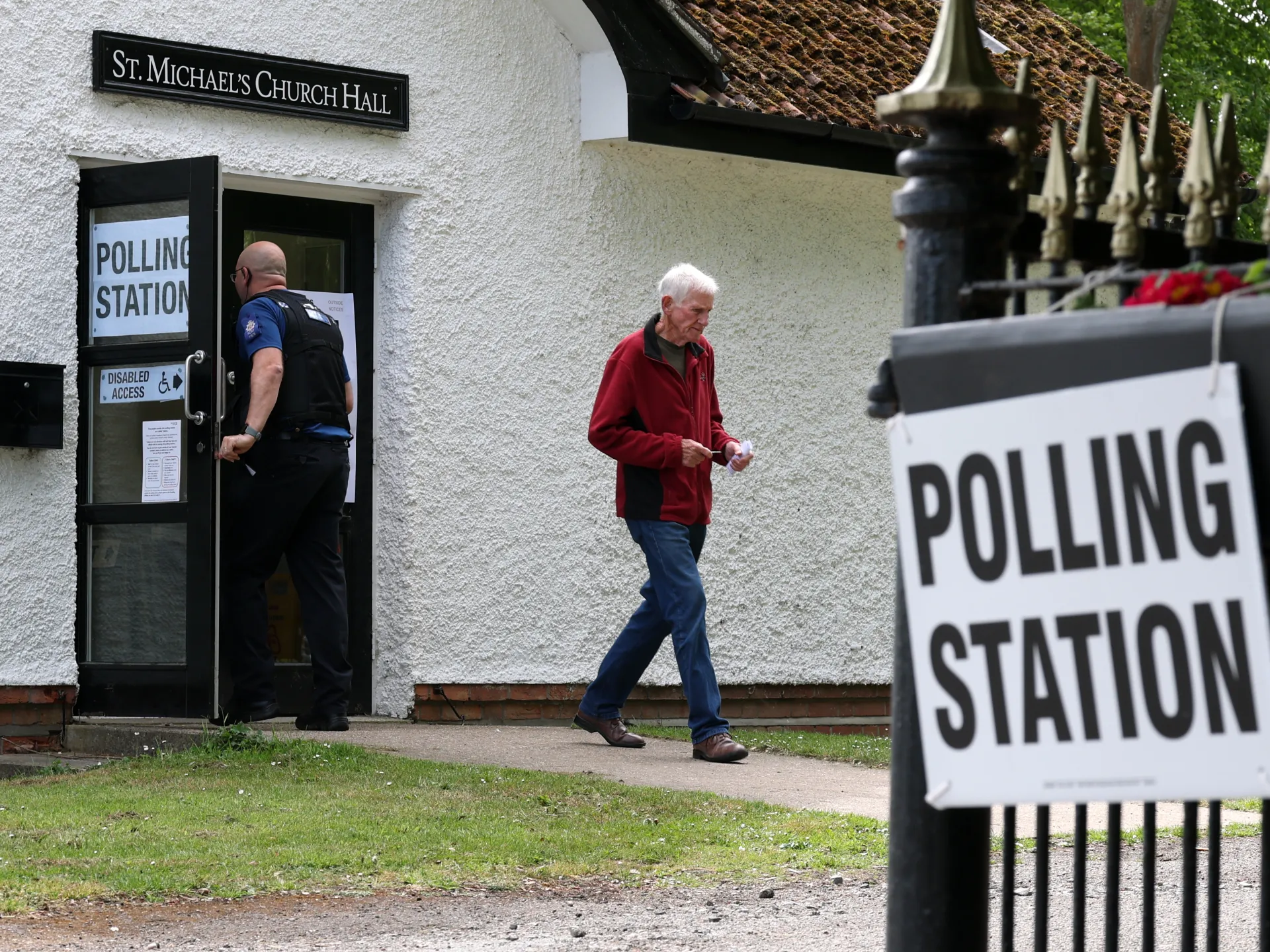
Millions of voters across England, Scotland and Wales have cast their ballots in local elections that are viewed as a significant trial for Prime Minister Keir Starmer's administration. The proceedings, which determine approximately 5,000 council seats, several mayoral positions, and seats in the Scottish and Welsh devolved parliaments, represent the most substantial electoral challenge for the government since it secured a landslide victory in 2024.
Prime Minister Starmer and his wife, Victoria Starmer, cast their votes earlier in the day at Westminster Chapel. In a statement issued on Substack, the Prime Minister warned against "passive government" and "populists" offering easy answers that could weaken the nation, framing the current political moment as one requiring active governance rather than simplistic solutions.
The government faces a difficult backdrop, with Starmer's popularity reported to have plunged since taking office. This decline is attributed to struggles in delivering economic growth and a persistent cost-of-living crisis, which analysts note is partly driven by rising energy prices linked to ongoing wars in Ukraine and the Middle East.
Compounding these economic pressures is a political scandal involving former adviser Peter Mandelson. Mandelson was removed from his role as United States ambassador following investigations into his links to the late sex offender Jeffrey Epstein, a development that has further strained the administration's standing ahead of these local contests.
Opinion polls indicate a shifting landscape, with projected gains for the far-right Reform UK party, co-founded by Nigel Farage, and the left-wing Greens Party, led by Zack Polanski. Under the first-past-the-post system utilised in England, a candidate requires only more votes than their rivals to win, not necessarily a majority, a mechanism that may facilitate these projected shifts away from the traditional two-party dominance between Labour and the Conservatives.
Polls opened at 07:00 GMT and are scheduled to close at 21:00 GMT, with results expected to be released overnight. While the specific outcomes regarding seat gains or losses remain unknown until the count is complete, the event is widely regarded as a definitive indicator of whether the Labour government can withstand the combined pressures of economic hardship and internal controversy.