Diplomatic pivot: US and Iran scale back peace talks as economic fears mount
Analysts warn the standoff over a frozen war between the two nations could precipitate a global economic meltdown, driving the shift toward a narrower agreement that postpones contentious issues.
Washington and Tehran have scaled back their efforts to secure a comprehensive peace agreement, opting instead for a limited pact that defers difficult and contentious issues. This strategic pivot marks a significant departure from previous diplomatic attempts, as the two nations prioritise immediate stability over a full resolution. The decision comes amidst growing concerns that the current standoff over a frozen war between the United States and Iran threatens to trigger a global economic meltdown.
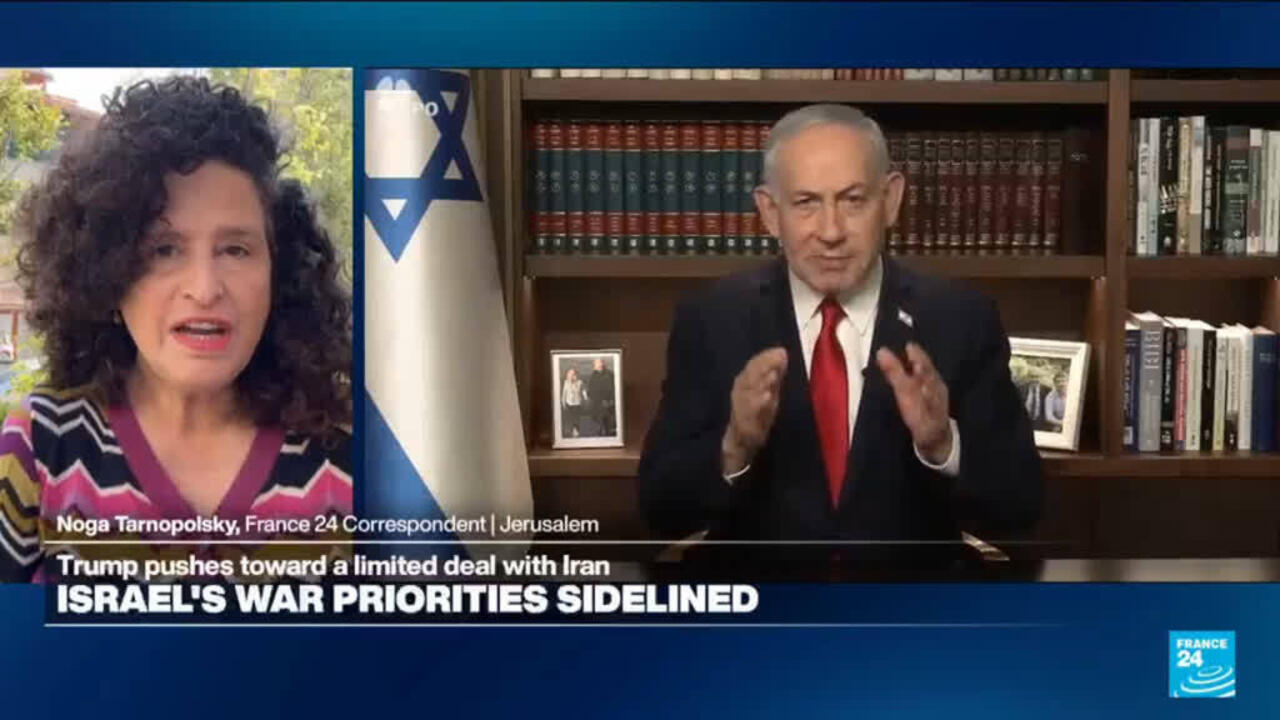
The new framework explicitly sidelines Israel from the immediate peace negotiations between the US and Iran. While the broader geopolitical landscape remains tense, the current diplomatic initiative focuses solely on the bilateral relationship between Washington and Tehran. By postponing the harder issues, the parties aim to mitigate the risks associated with the ongoing freeze, though the specific terms of the limited pact remain undefined in available reporting.
This diplomatic shift has drawn sharp criticism from Israeli leadership, who argue that the arrangement undermines the state's core security interests. Prime Minister Benjamin Netanyahu has expressed clear opposition to the limited deal, maintaining his desire to continue the war effort. He refuses to allow Israel's ongoing campaign against Hezbollah to be subsumed by an agreement reached between the United States and Iran, viewing the exclusion as a failure to address the war priorities of the Jewish state.
The tension stems from a complex regional dynamic where the conflict in the region remains active despite the diplomatic overtures. While the US and Iran seek to thaw their frozen relations to prevent economic collapse, the active hostilities involving Israel and Hezbollah continue independently. The limited nature of the proposed pact suggests that the more difficult questions regarding regional security and military campaigns will be revisited at a later date, leaving the immediate status quo largely intact.
France 24 International reports that the urgency of the situation has driven this narrowing of scope. With the threat of a global economic meltdown looming, both Washington and Tehran have determined that a broader agreement is currently unattainable. The focus has shifted to securing a narrow deal that addresses immediate economic risks without forcing a resolution on the deeper conflicts that define the current era of instability.
As the negotiations proceed without Israeli participation, the divergence between the diplomatic track and the military reality on the ground remains stark. Prime Minister Netanyahu's stance highlights the friction between international economic imperatives and national security campaigns. The outcome of these limited talks will likely determine the next phase of the frozen war, though the specific timeline for when the postponed issues will be revisited has not been specified.