Israel confirms airstrike on Beirut kills Hezbollah commander, first breach of truce
Linxi News reports on the official admission that marks a significant escalation in the conflict zone.
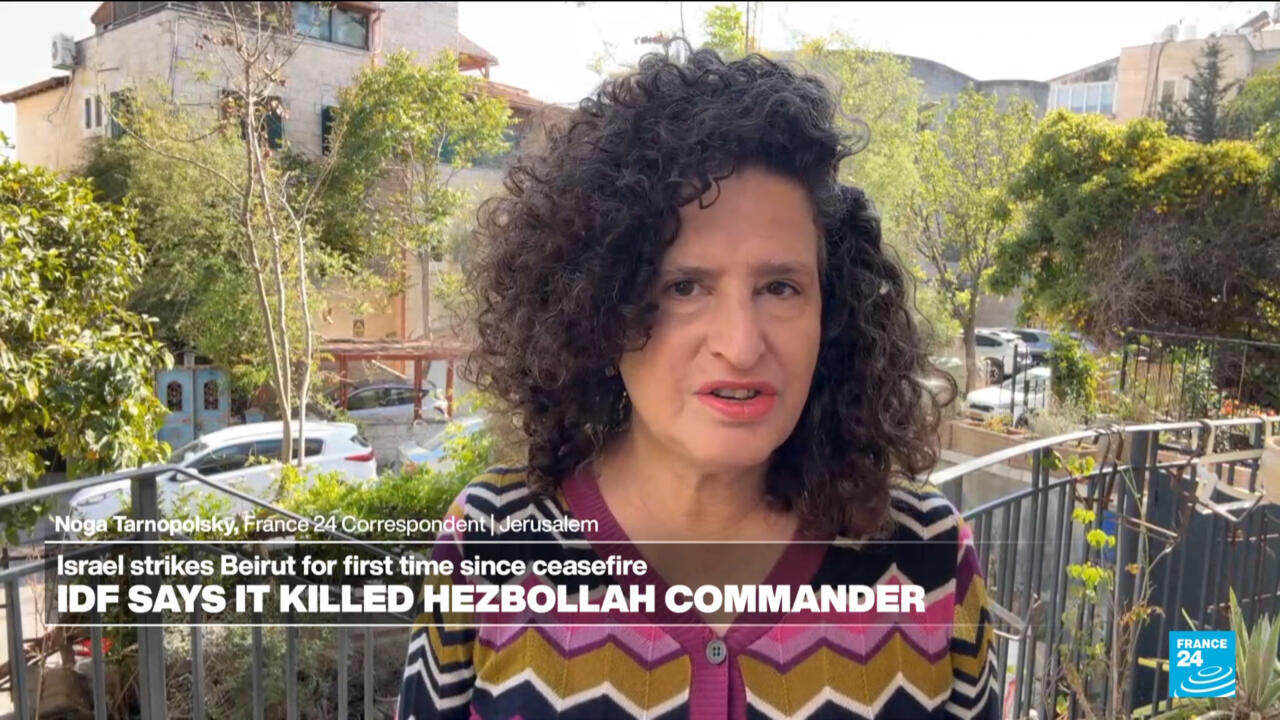
Israel has confirmed that an airstrike conducted on Wednesday in Beirut resulted in the death of a commander within Hezbollah's elite Radwan force. This admission, issued on Thursday, marks the first Israeli attack on the Lebanese capital since a ceasefire agreement was reached last month. The incident represents a notable shift in the operational scope of the conflict, moving beyond the southern theatre into the urban centre of the capital.
The confirmation of this strike has immediately intensified pressure on the current truce arrangements. While the agreement successfully halted Israeli attacks on Beirut for a period, this latest action suggests a reversion to previous patterns of engagement in the city. The strike serves as a stark reminder of the fragility of the diplomatic framework established previously, raising questions about the durability of the peace terms in the face of ongoing military objectives.
Despite the escalation in the capital, Israeli forces continue to maintain their deployment south of the Litani River. Concurrent with the strike in Beirut, the military has stated that operations in southern Lebanon are ongoing. This dual-front approach indicates that the conflict remains active across multiple geographies, with the breach in the capital adding a new layer of complexity to the existing military posture.
The specific details regarding the identity and rank of the deceased commander have not been elaborated upon beyond his affiliation with the Radwan force. Furthermore, the precise location of the airstrike within Beirut and the exact number of casualties or injuries resulting from the operation remain unreported in the available information. These gaps in detail limit the ability to fully assess the immediate tactical impact of the strike.
Independent verification of the event is currently absent, as the reporting relies solely on Israeli claims regarding the death of the commander and the nature of the engagement. Neither Hezbollah nor Lebanese authorities have provided immediate commentary to corroborate or contest the official statement. This reliance on a single source introduces a degree of uncertainty regarding the broader implications of the strike for the region's security dynamics.
The incident underscores the continued volatility in the area, even as diplomatic channels attempt to manage the fallout from the recent ceasefire. The persistence of ground forces in the south alongside the new offensive in the capital suggests that the conflict has not reached a definitive conclusion. The situation remains fluid, with the ceasefire agreement now facing a significant test of its enforceability.