Liverpool academic links Belfast unrest to pan-European far-right network
Speaking on France 24, the University of Liverpool expert contends that anti-migrant sentiment is being weaponised across borders, displacing vulnerable families and testing democratic cohesion.
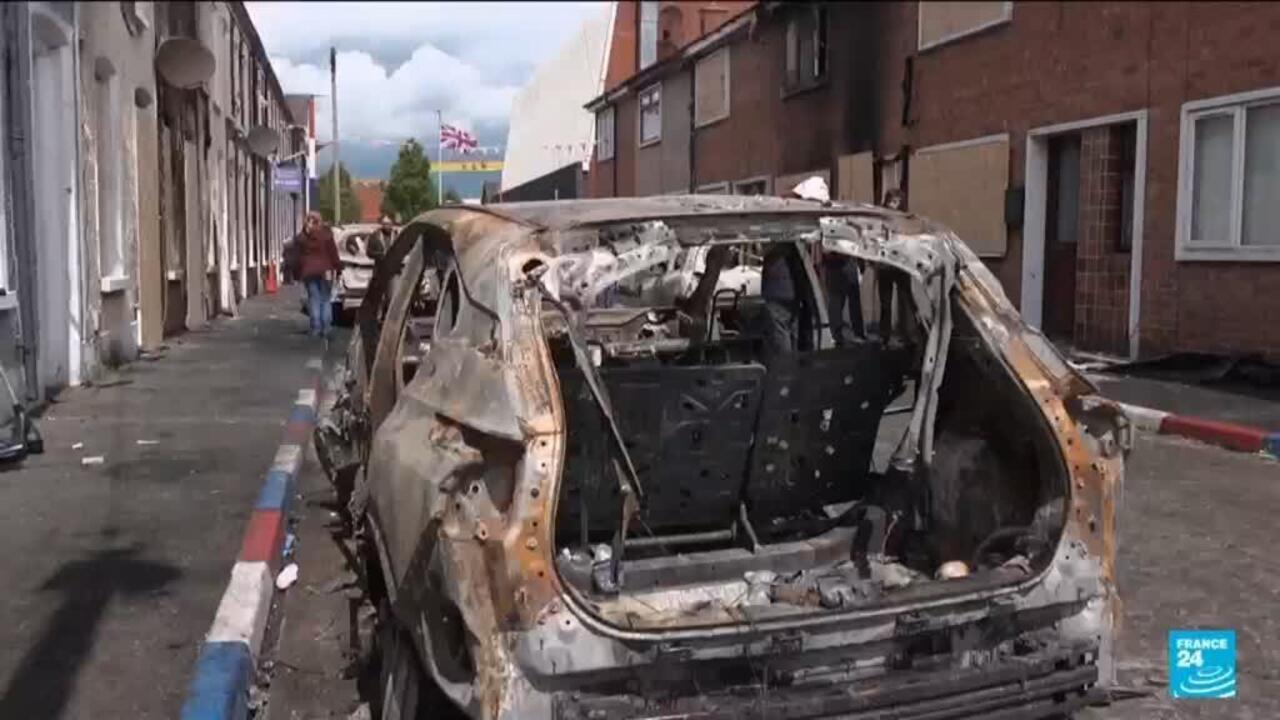
Professor Peter Shirlow, Director of the Institute of Irish Studies at the University of Liverpool, has characterised the recent unrest in Belfast as evidence of a unified European far-right network. Speaking on France 24’s Spotlight programme, Shirlow argued that contemporary far-right mobilisation is no longer an isolated local phenomenon but is increasingly interconnected through digital platforms and transnational misinformation campaigns.
Shirlow stated that racists and groups allied to the far right are now unified across Europe. He cited the scenes of violence and anti-migrant attacks in Northern Ireland as proof of this interconnected digital mobilisation, suggesting that extremist narratives are circulating rapidly across borders rather than stemming from purely domestic grievances.
The academic identified powerful social media actors and oligarchs as key figures amplifying anti-migrant misinformation. He argued that these online platforms have become critical vectors for cultivating hostility, transforming digital narratives into street-level violence. This dynamic, he warned, is reshaping the political landscape by legitimising exclusion through rhetoric that portrays migrants as possessing an alien culture.
The consequences of this unrest have been severe for local communities. Shirlow noted that vulnerable families have been displaced from their homes, while public resources are repeatedly consumed by episodes of violence. He observed that young men participating in the street violence in Belfast appear to be guided by individuals outside their own country, who claim to care for them but do not.
Shirlow framed the events as part of a broader struggle over democratic cohesion and information integrity. He warned that the future of pluralistic societies across Europe is at stake, requiring a response that looks beyond local politics to address the transnational nature of the threat.