Likud Primaries Set Stage for Critical Israeli Election Amidst Internal Power Struggles
The governing party’s internal selection process reveals a mix of democratic input and executive control, with significant figures granted uncontested positions ahead of the general election.
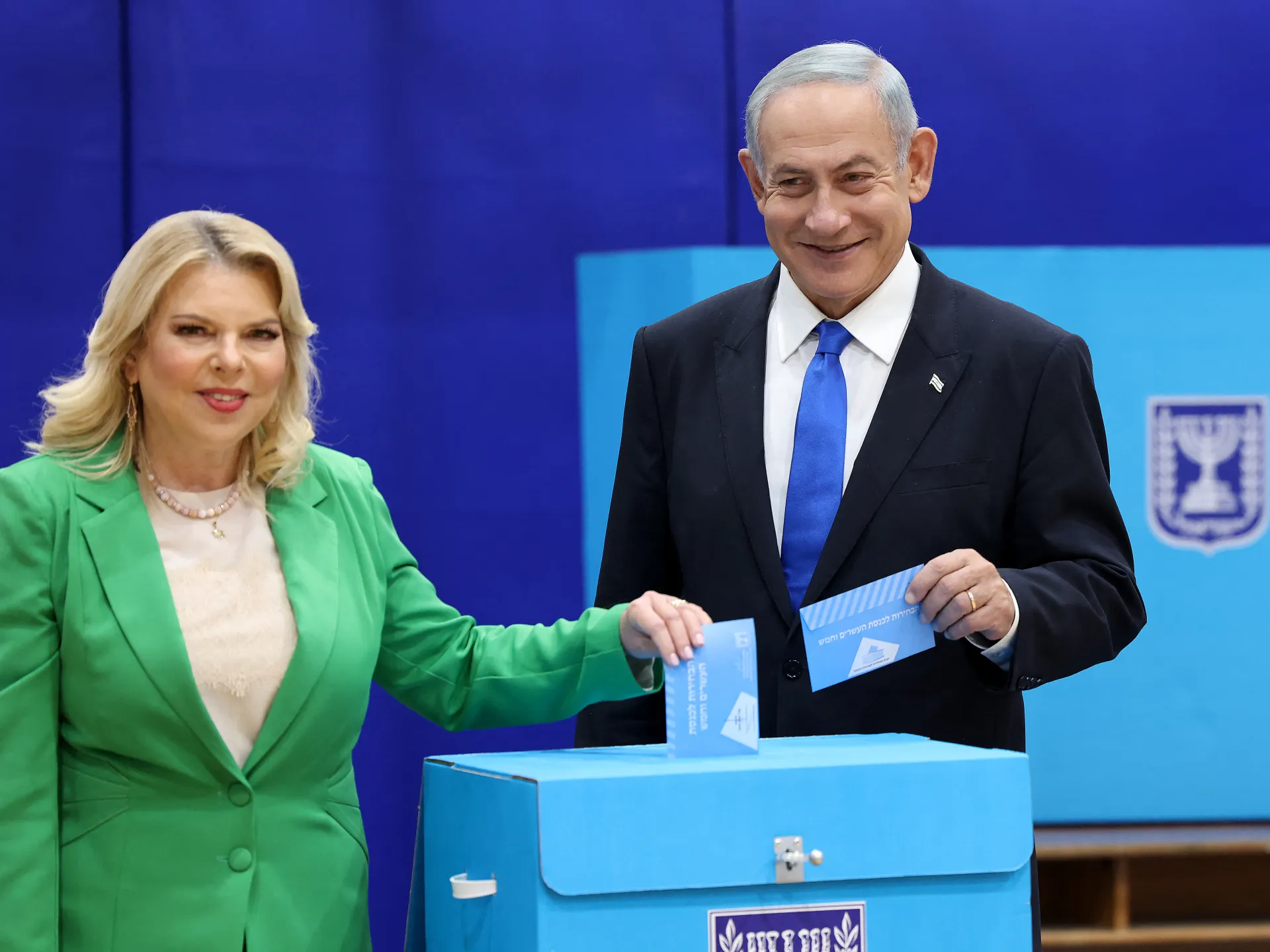
Israel’s governing Likud Party conducted primaries on Monday to determine its candidate list for the upcoming general election, an event described as one of the most heated and unruly in the Israeli political calendar. The legislative election is widely viewed as the most consequential for Prime Minister Benjamin Netanyahu and the party, adding significant weight to the internal voting process.
Under Israel’s proportional representation system, parties submit ranked lists of candidates to the 120-member Knesset, with seats allocated based on vote share. Likud, alongside the Democrats party and the left-wing Hadash, is among the few political entities that allow members to determine the order of candidates on their list. However, the final composition remains heavily influenced by the party leader.
Netanyahu retains the authority to personally select eight candidates for the list, with three additional spots secured through internal party deals. This structure leaves only 15 realistic positions for other candidates within the top 30, highlighting the concentrated power held by the prime minister in shaping the party’s electoral front.
Three senior ministers have been granted uncontested spots on the list. Foreign Minister Gideon Saar was included following a deal made when his New Hope party merged with Likud in March 2025. Defence Minister Israel Katz and Likud Constitution Committee Chair Haim Katz also received uncontested positions through separate agreements, ensuring their presence on the ballot regardless of the primary outcome.
Katz, a staunch Netanyahu loyalist, has been a vocal advocate for hardline policies, including the announcement in July 2026 of new Israeli settlements in Gaza and new outposts in the occupied West Bank. He has also called for maintaining Israeli forces in southern Lebanon until Hezbollah is disarmed. Katz faces corruption charges, as does Haim Katz, another long-term ally of the prime minister.
Saar has defended restrictions on humanitarian aid into Gaza, measures that the United Nations attributed to causing a famine in August 2025. His inclusion underscores the party’s commitment to maintaining a hardline stance on security and aid policy, aligning with the broader political trajectory of Likud-led governments over recent decades.
In addition to established political figures, Netanyahu has appointed tech entrepreneur Oren Dobronsky to the list. Dobronsky, a veteran of the Israeli army’s central computing unit and Silicon Valley, is expected to lead efforts on artificial intelligence across various sectors. His appointment comes despite recent controversy, including an apology for comments he made about US President Donald Trump and statements regarding Gaza.
Netanyahu has also publicly backed former Otzma Yehudit MK Almog Cohen, signaling continued support for hardline factions within the broader right-wing coalition. The final list will reflect a balance between member-selected candidates and those appointed or secured by the prime minister, setting the stage for a pivotal election.