Libya’s rival factions agree on first joint budget in over a decade
A US-backed fiscal deal aims to incentivise cooperation between Libya’s divided authorities, though disputes over elections and power distribution persist.
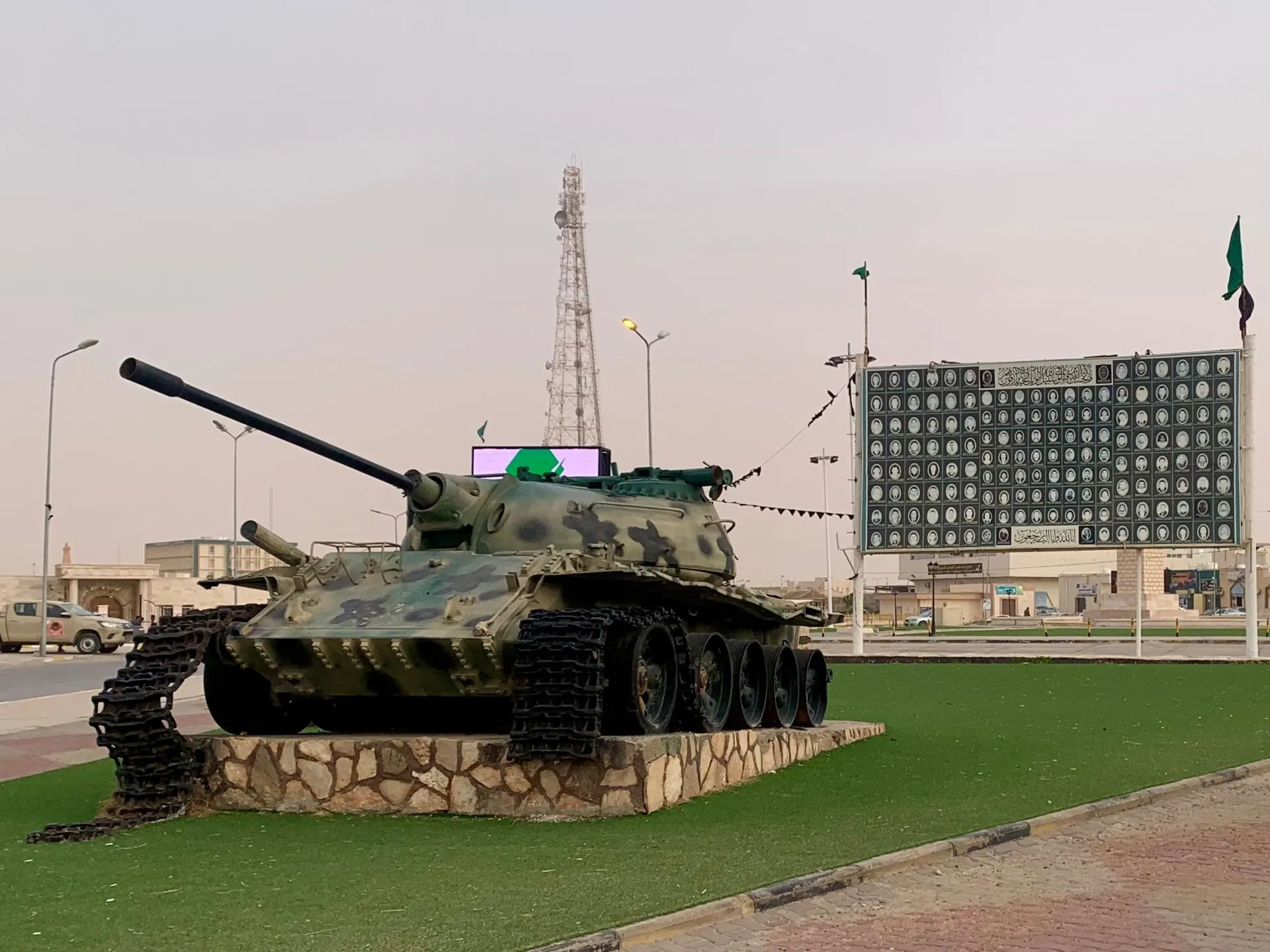
Fifteen years after the overthrow of Muammar Gaddafi, Libya’s rival eastern and western legislatures have reached a consensus on a joint budget of 190 billion dinars, approximately $30 billion. The agreement, reached in April, marks the first time in more than a decade that the two divided camps have aligned on fiscal matters. Backed by the United States, the move is intended to incentivise cooperation between the authorities, although significant political disputes over elections and power distribution remain unresolved.
The fiscal agreement emerges from a period of prolonged institutional fragmentation following the 2011 uprising. Since the 2012 election, which remains the only peaceful handover of power in the country’s recent history, Libya has been characterised by rival institutions and delayed elections. A 2015 UN peace deal preserved both parliaments rather than replacing them, resulting in a persistent split between the Tobruk-based parliament and the UN-recognised government.
Recent developments suggest a tentative shift towards coordination. In April, soldiers aligned with both the eastern and western authorities trained side by side for the first time in over a decade during a US-led military exercise in Sirte. The exercise was presided over by Saddam Haftar, son of Khalifa Haftar, and acknowledged by Tripoli’s deputy defence minister, Abdel Salaam Zoubi. This military cooperation parallels the fiscal agreement, indicating an emerging space for the adversaries to work together despite ongoing tensions.
However, intra-authority violence continues to complicate the political landscape. Last year, militia leader Abdul Ghani al-Kikli was assassinated in Tripoli, while Haftar’s military intelligence chief, Fawzi al-Mansouri, was killed in a car bomb explosion in Benghazi last week. Neither assassination has been formally claimed, but these incidents suggest that internal instability persists even as fighting between the eastern and western factions subsides.
The economic context remains strained, with the Libyan dinar falling from 1.3 to the dollar in 2011 to more than nine on the parallel market this month. Infrastructure challenges have also intensified, with blackouts hitting much of the country in the middle of the year, disrupting water supplies, banking, and telecommunications. Despite holding Africa’s largest oil reserves, Libya’s largest refinery has been offline since 2013, forcing the country to import refined fuel despite exporting crude at world prices.
The budget agreement follows a series of attempts to stabilise the economy, including an arrangement in Abu Dhabi that allowed Arkenu to become the first private company to export Libyan crude. Although that deal was terminated this year following questions from UN investigators, it demonstrated the potential for the camps to identify shared interests. As the country navigates these economic and political pressures, the joint budget represents a test of whether bargaining on economic issues can extend to a broader political settlement.