Libyan National Army intelligence chief killed in Benghazi car bomb
Targeted attack in Hawari district underscores ongoing instability in eastern Libya, where rival administrations retain influence despite a 2020 ceasefire.
Major-General Fawzi al-Mansouri, the head of military intelligence for eastern Libya’s self-styled Libyan National Army, was killed in a targeted car bomb attack in Benghazi on Monday night. The incident occurred in the Hawari district outside al-Mansouri’s home, where an improvised explosive device was detonated as he entered his vehicle, according to Reuters, which cited two security sources.
Eastern Libyan Prime Minister Osama Saad Hammad issued a statement on Tuesday condemning the assassination as a “treacherous terrorist act.” He pledged to uncover the circumstances of the crime and asserted that there is no place in Libya for individuals who raise arms against the state or incite terrorism.
Al-Mansouri was appointed director of military intelligence in Benghazi with the rank of major-general in 2024. The killing highlights the continuing security challenges within the region, where rival administrations and armed groups have retained significant influence despite a 2020 ceasefire that halted major warfare.
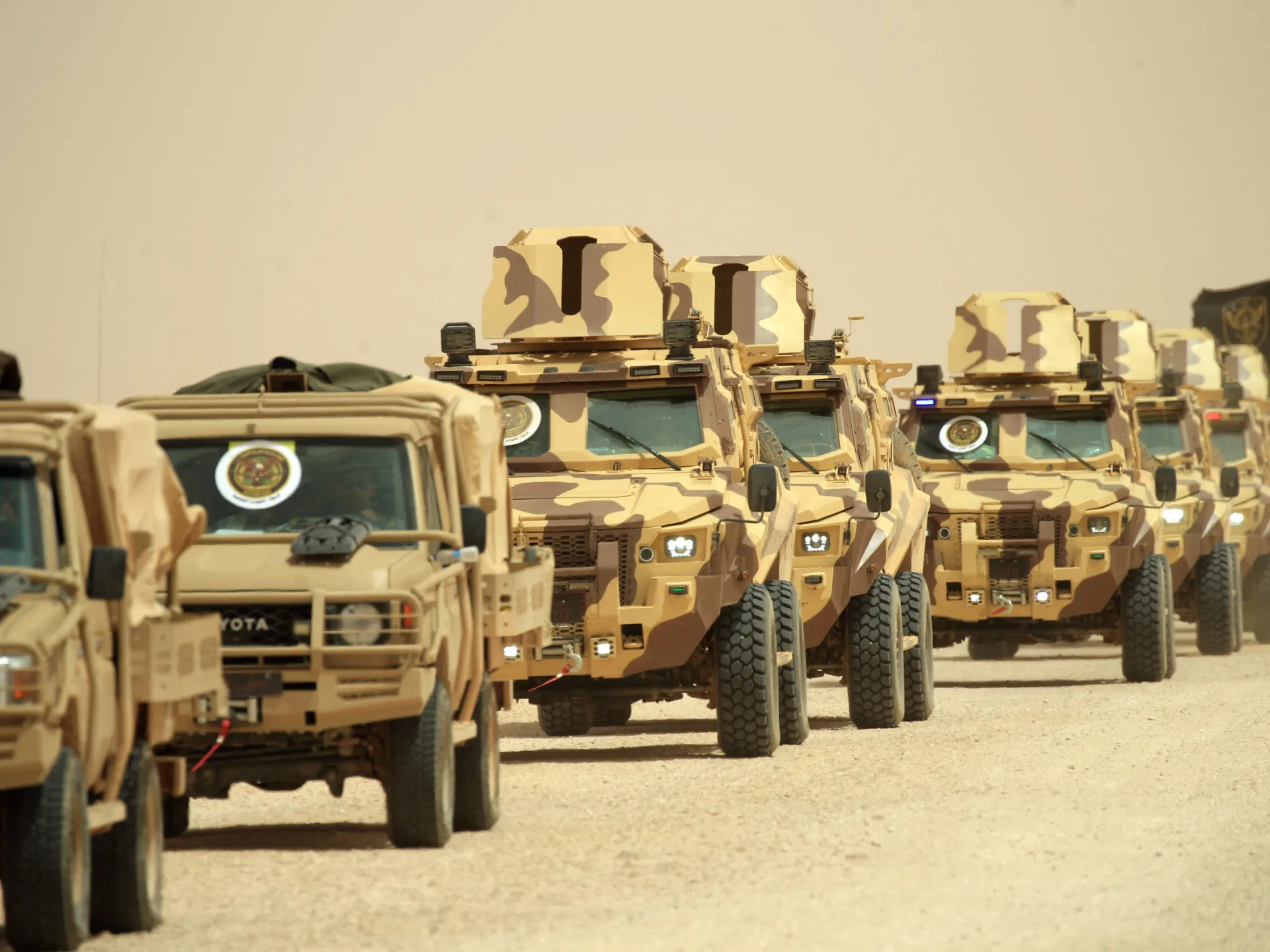
Libya has remained divided since 2014 between rival eastern and western factions following a 2011 NATO-backed uprising that toppled Muammar Gaddafi. The Libyan National Army, led by Khalifa Haftar, controls much of eastern and southern Libya and is aligned with authorities based in Benghazi.
Conversely, Libya’s internationally recognised Government of National Unity is based in the capital, Tripoli, and controls much of the western part of the country. While the 2020 ceasefire ended large-scale combat, the political split continues to complicate governance and security efforts across the nation.
The identity of the perpetrators behind the assassination has not yet been identified, and specific motives remain unconfirmed. Authorities have not attributed the attack to any specific group, and further details regarding the investigation are expected to emerge as inquiries proceed.
The event serves as a stark reminder of the fragile security environment in eastern Libya, where high-profile figures remain vulnerable to targeted violence despite the nominal cessation of hostilities between the rival factions.