Lenacapavir access hinges on generic licensing and supply
The WHO recommends the twice-yearly injection as an additional prevention option, while MSF says licensing limits could leave many middle-income countries without affordable generic access.
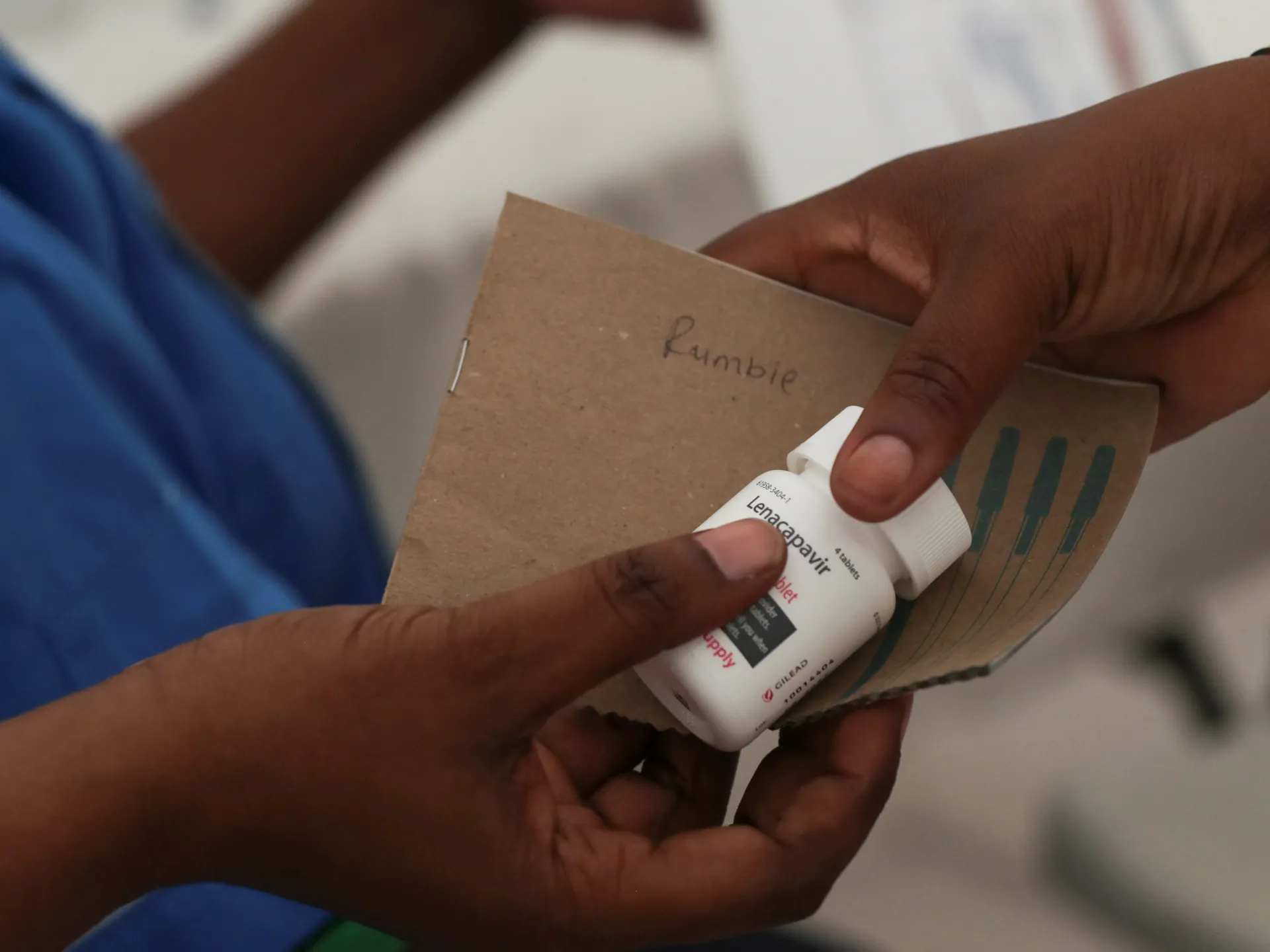
Lenacapavir, an HIV prevention medicine injected twice a year, has been recommended by the World Health Organization as an additional form of pre-exposure prophylaxis. A 2024 trial involving more than 2,000 young women in South Africa and Uganda recorded no HIV infections among participants who received it.
Access to lower-cost versions is expected to expand at scale from 2027, when six manufacturers licensed by Gilead Sciences are expected to begin large-scale generic rollout. Gilead says it will supply its own version at no profit through programmes supported by the Global Fund and PEPFAR, and plans enough supply for up to three million people through 2028.
Doctors Without Borders, or MSF, says at least 26 middle-income countries are excluded from the generic licensing agreement. The organisation says those countries accounted for close to 23 per cent of new HIV infections globally in 2023. Gilead has separately established an access pathway through the Pan American Health Organization for 14 Latin American and Caribbean countries, including Brazil, Mexico, Argentina and Peru.
The price gap is substantial: the report puts the US annual price at about $28,000 per person and the expected generic price at about $40. MSF says it has sought for more than a year to buy the medicine directly for its programmes, but Gilead has not permitted the purchase. Gilead declined an interview and did not answer Al Jazeera’s questions about the request or countries excluded from the licensing deal.
The dispute comes as international HIV funding fell 18 per cent in 2025 to $7.3 billion, and the number of people receiving preventive medicine dropped from 1.4 million in 2024 to 1.1 million in 2025, according to figures cited in the report. Daily PrEP pills remain an alternative, though they must be taken consistently. MSF says a long-acting option could be useful in humanitarian emergencies, where consistent daily use may be difficult.