Legal proceedings commence over OpenAI's charitable status and commercial conversion
The trial centres on allegations of breach of charitable trust, with Musk seeking billions in damages and the removal of the current CEO
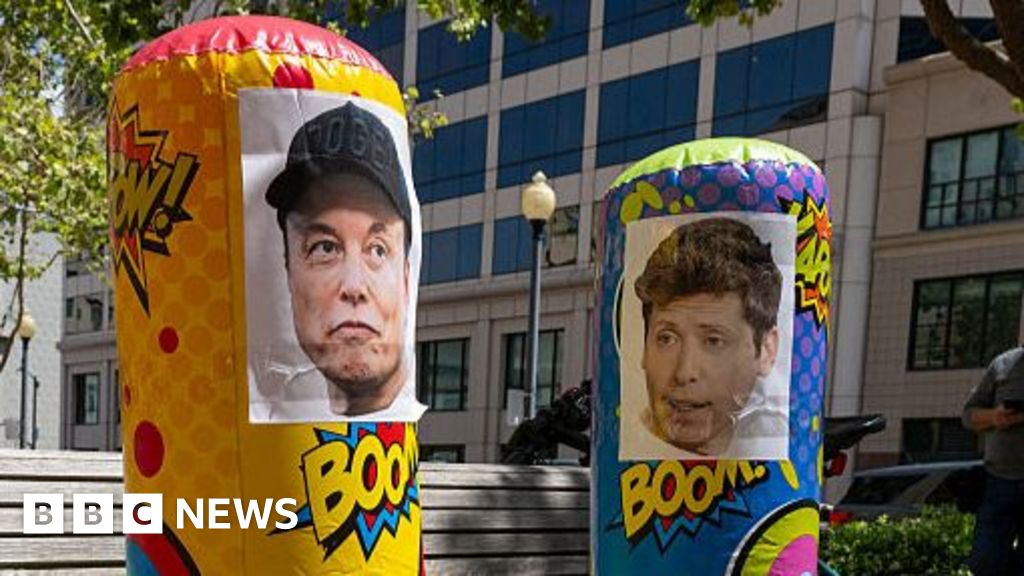
A legal trial has commenced in Oakland, California, between co-founders Elon Musk and Sam Altman regarding the history and charitable status of OpenAI. The proceedings mark a significant escalation in the dispute over the governance of the artificial intelligence sector, with both parties presenting duelling narratives about the company's obligations to its original mission versus its commercial trajectory.
Musk alleges that Altman and Greg Brockman "stole a charity" by converting the organisation from a non-profit to a commercial entity. He is seeking billions of dollars in damages for "wrongful gains" accrued since the conversion and demands the removal of Altman from his role as CEO. His legal team argues that the company's foundation of charitable giving is at stake, asserting that without Musk's initial $38m donation, there would be no OpenAI.
In contrast, OpenAI's legal team contends that Musk acted out of jealousy and a desire to merge the company with Tesla following his failed bid for the CEO position. Lawyer William Savitt argued that Musk used his investment to bully other founders and attempted to derail a key rival in the race for artificial general intelligence. The defence maintains that Musk never cared about the non-profit status once he could not control the company's direction.
The core of the dispute involves OpenAI's decision in 2018 to establish a commercial arm, a move Musk opposed and which occurred years before the launch of ChatGPT. Musk's lawyer, Steven Molo, highlighted that Musk became increasingly concerned about government regulation of AI after a 2015 meeting with then-President Barack Obama, believing the technology should not be a vehicle for wealth accumulation.
Judge Yvonne Gonzalez Rogers has decided against imposing a formal gag order, though she warned both parties to control their use of social media to prevent influencing the trial outside the courtroom. Despite the judge's warning, the parties have agreed to refrain from using social media to influence the case, with Musk previously referring to the defendant as "Scam Altman" on his platform.
A verdict is anticipated in late May. The outcome of this case could redefine the legal boundaries of charitable trusts in the technology sector and set a precedent for how artificial intelligence enterprises are governed and funded.