Legal loopholes and medical gaps fuel Nigeria’s organ harvesting trade
A France 24 report suggests that deficiencies in specialised medicine and regulatory frameworks are creating an environment conducive to illegal organ harvesting in Nigeria.
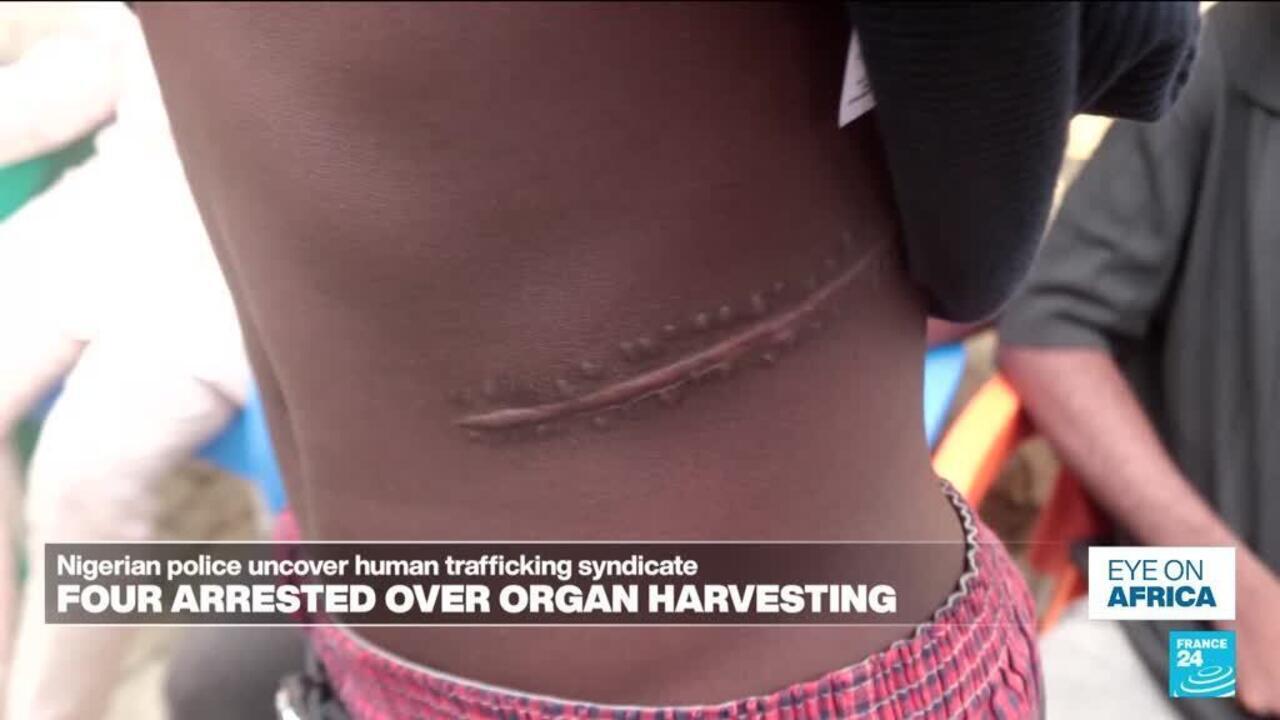
Nigeria is facing a growing issue with illegal organ harvesting, driven by specific legal loopholes and gaps in specialised medicine, according to a report by France 24. The findings highlight how structural deficiencies within the healthcare system are creating an environment where the trade can flourish.
The report, featured in the "Eye on Africa" edition, identifies these regulatory and medical shortcomings as the primary factors potentially driving the illicit trade. By pointing to gaps in specialised medicine, the analysis suggests that the lack of robust infrastructure or regulation is leaving patients vulnerable to unregulated practitioners.
While the source indicates that these factors "may be driving" the harvesting, the correlation points to a significant governance challenge. The ambiguity regarding whether the gaps refer to medical infrastructure or regulatory oversight underscores the complexity of the issue within the Nigerian healthcare sector.
The story was part of a broader international news segment that also covered developments in South Sudan and São Tomé and Príncipe. In South Sudan, there are signs of progress towards elections scheduled for December, while six colonial-era plantation estates in São Tomé and Príncipe were recently added to the UNESCO World Heritage List.
For Linxi News, the Nigerian story stands out as a critical example of how legal frameworks intersect with public health. The reliance on a television report means that specific details on the scale of the harvesting or the exact nature of the legal loopholes remain limited in the available text.
The report serves as a reminder that effective governance requires not just medical expertise but also clear legal boundaries. As Nigeria navigates these challenges, the interplay between law and medicine will be crucial in curbing the illegal trade.