Legal action over OpenAI framed as corporate manoeuvre ahead of SpaceX-xAI IPO
Analysts suggest a potential victory for Elon Musk could significantly weaken OpenAI's market position as a new merged entity prepares for an initial public offering
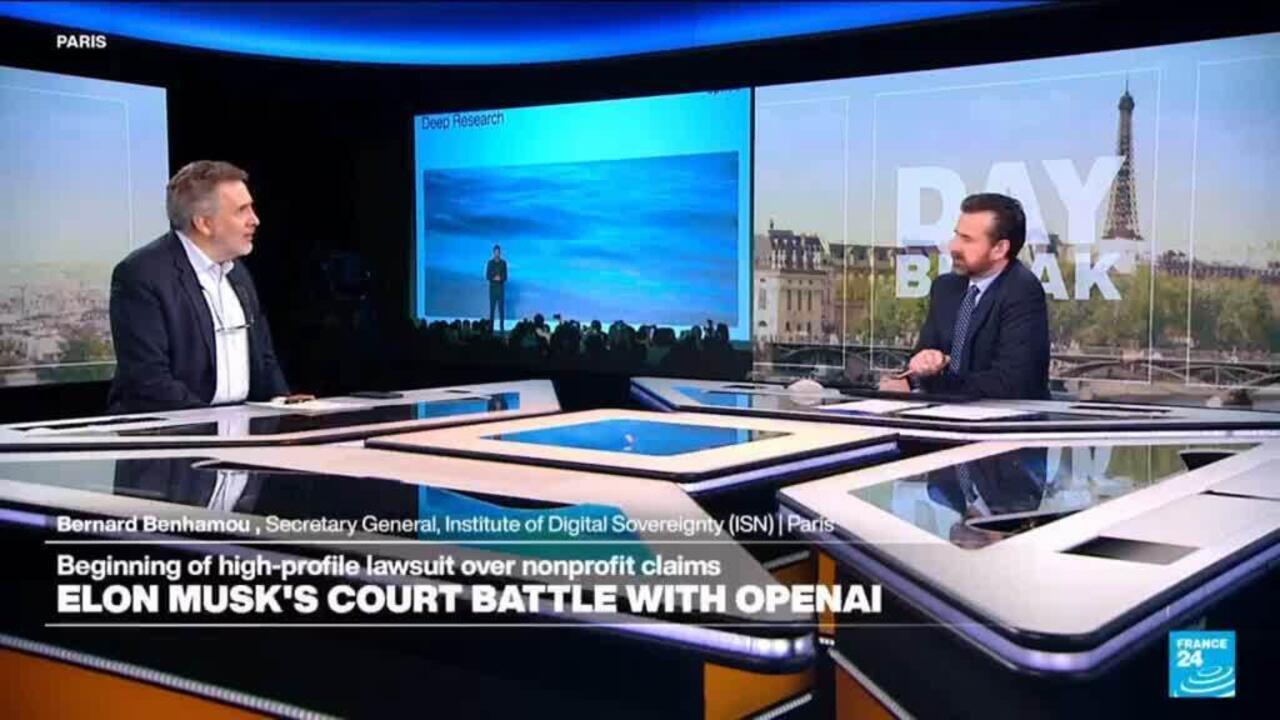
Legal analysts and experts are characterising Elon Musk's lawsuit against OpenAI as a strategic corporate battle rather than a dispute driven by philosophical or ethical differences. This shift in narrative marks a departure from previous reports that focused heavily on ideological disagreements regarding artificial intelligence safety.
Bernard Benhamou, Secretary General of the Institute of Digital Sovereignty and Senior Lecturer on Internet Governance at Paris I Panthéon-Sorbonne, has publicly framed the litigation as a move in corporate strategy. He stated that the trial is not a clash of tech titans but a strategic legal battle in the uncharted waters of the AI sector.
The timing of the legal action is considered critical by observers, as it coincides with market expectations for an initial public offering of a new entity formed from the convergence of SpaceX and xAI. Benhamou noted that the trial's progression aligns with this anticipated financial milestone for the merged assets.
In this context, any legal victory for Musk could have far-reaching consequences that could weaken OpenAI, a primary competitor in the artificial intelligence industry. Analysts warn that a court ruling in Musk's favour would significantly impact OpenAI's market position and competitive standing.
The Institute of Digital Sovereignty is an organisation led by Benhamou, who holds an academic position at Paris I Panthéon-Sorbonne University. His comments reflect a broader trend among experts who are downplaying earlier narratives of ideological disagreement in favour of a business-strategy interpretation of the conflict.
While the specific details regarding the exact timeline and structure of the new SpaceX and xAI entity are not fully detailed in the available source material, the strategic implications remain clear. The convergence of these major assets suggests a significant shift in the competitive landscape of the technology sector.