Lebanon's Education System Faces Structural Collapse Amidst Intensified Conflict
Experts warn that the convergence of active combat, poverty, and interrupted schooling since 2019 risks creating a "lost generation" marked by significant learning loss and deepened inequality.
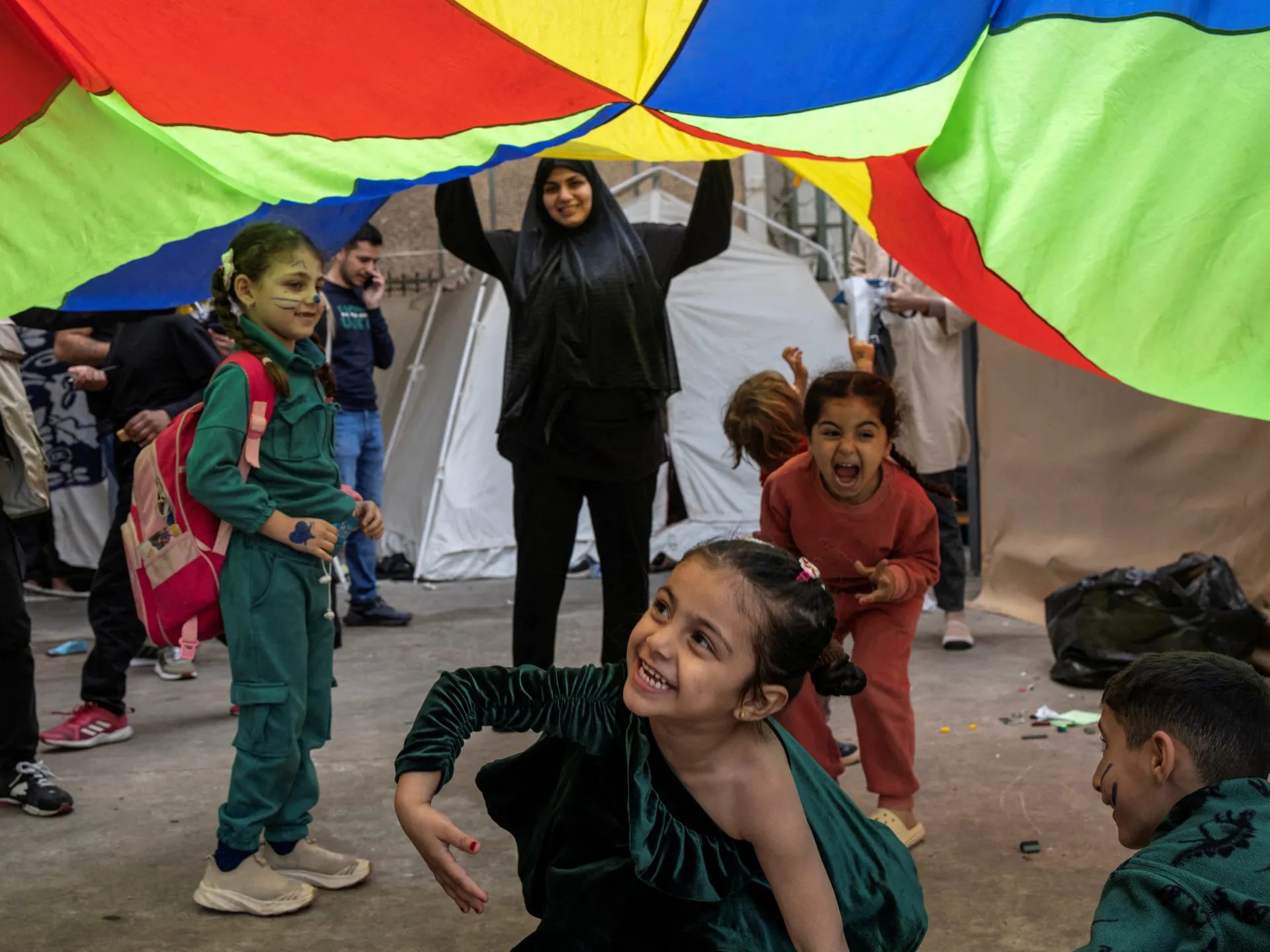
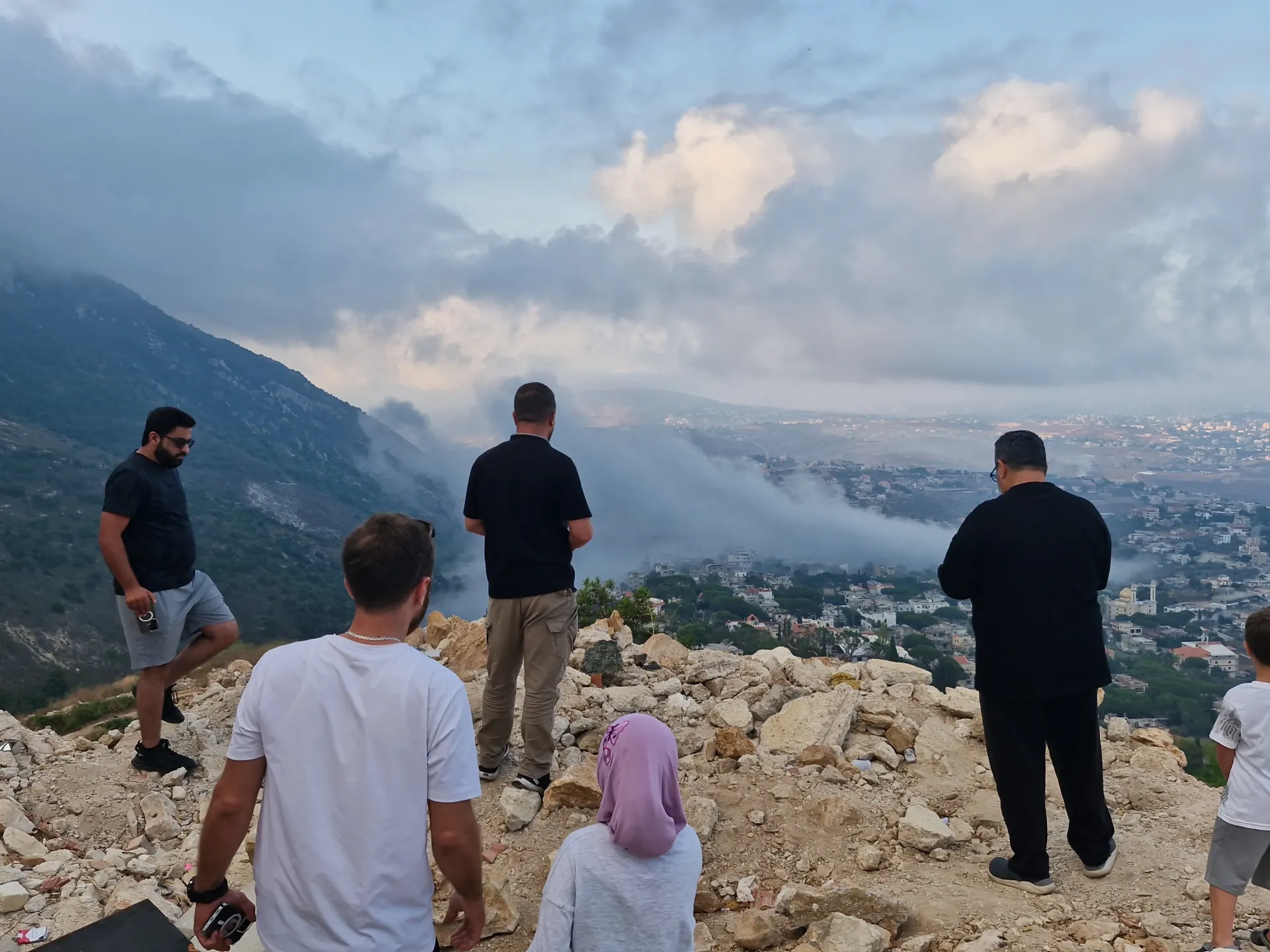
Israel's intensified war on Lebanon, which commenced on 2 March, has precipitated a severe crisis within the nation's education system. The conflict has displaced more than 1.2 million people, including 500,000 school-aged children, according to data provided by UNESCO. This mass displacement has not only rendered hundreds of schools inaccessible but has also forced many remaining institutions to serve as makeshift shelters for displaced persons, further disrupting educational continuity.
The physical infrastructure of the education sector has been decimated, with hundreds of schools destroyed or repurposed across southern Lebanon. UNESCO reports that 339 schools are currently located within active warzones, while another 100 are situated in high-risk areas likely to become inaccessible soon. Consequently, an additional 250,000 children are affected as their learning environments are converted into collective shelters, leaving them without a stable place to study.
In an attempt to mitigate the loss of instructional time, educational institutions have prioritised sciences and mathematics, often at the expense of subjects such as citizenship. This curricular shift raises significant concerns regarding long-term social cohesion in a multi-sectarian society where the mission of education is to build citizens. Experts argue that ignoring civic education could lead to dangerous societal fractures in the future.
The impact of the current conflict is compounded by a pre-existing economic emergency that has eroded the country's middle class and infrastructure. Since 2019, approximately 30 per cent of the teaching sector has left the profession or emigrated due to salary cuts of roughly 80 per cent and the ongoing war. Many remaining educators face threats to their lives and have been displaced, leaving the system without a backbone to support the student population.
Access to learning has been further restricted by economic hardship and infrastructure failures, which prevent displaced families from accessing online learning platforms. While hybrid learning has become a de facto norm over the past several years due to continuous instability, it has proven ineffective for vulnerable students lacking internet access, electricity, or devices. Families now face impossible choices between affording food, heating, or keeping children connected to their education.
The convergence of these factors risks creating a "lost generation" characterised by significant learning loss, trauma, and increased inequality. Experts warn that without serious nationwide intervention, the disparities between geography and socioeconomic status will determine whether a child can access learning at all, potentially leaving an entire cohort further behind in their development.