Lebanon’s Aoun seeks US backing for Hezbollah disarmament as Trump pledges support
President Joseph Aoun urges Washington to sustain military assistance while Lebanese forces enter a US-brokered pilot zone in the south.
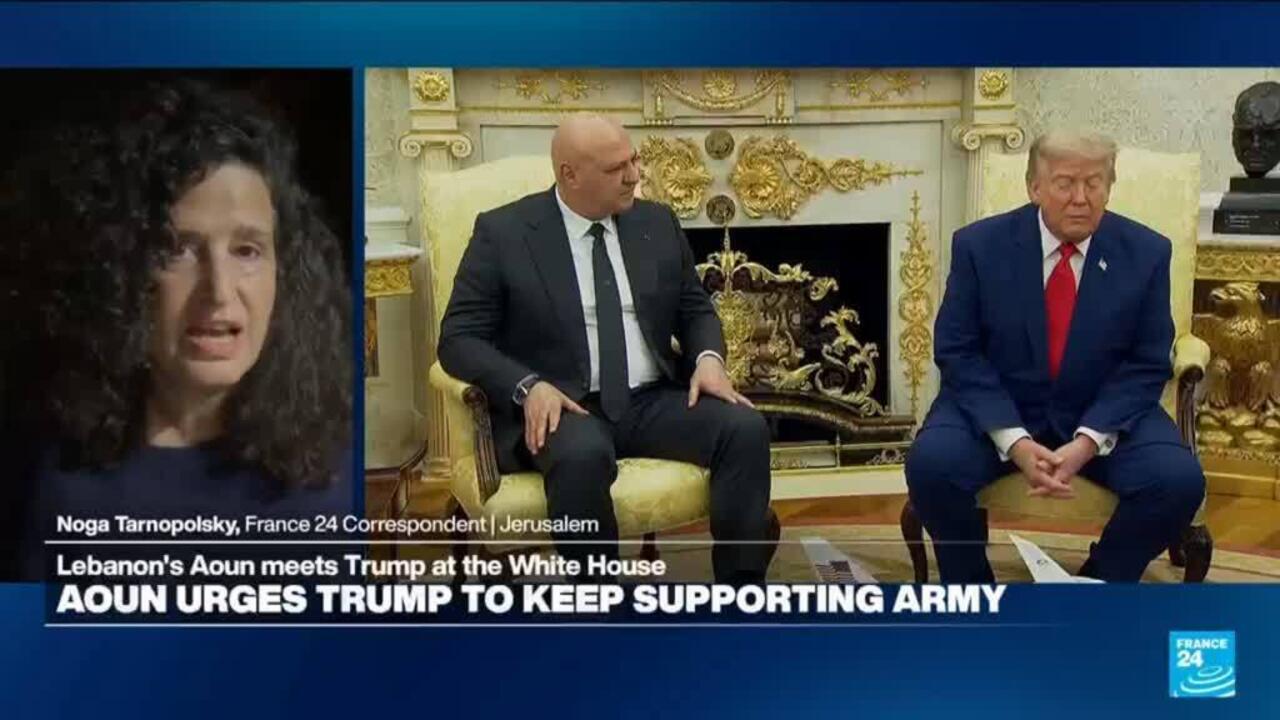
US President Donald Trump has pledged significant assistance to Lebanon, stating on Tuesday that Washington "will help" the country "a lot." The commitment was made during a bilateral meeting at the White House between President Trump and his Lebanese counterpart, Joseph Aoun. The engagement marks the first visit by a Lebanese head of state to the United States since 2009, underscoring the diplomatic weight placed on the current security architecture in the region.
During the discussions, President Aoun sought Washington’s backing for a fragile initiative aimed at disarming Hezbollah and establishing a pathway to peace with Israel. The Lebanese government is currently attempting to normalise the southern region following a newly established deal, with the US pledge serving as a critical component of this stabilisation effort. The meeting was characterised by FRANCE 24 as a "slap in the face" for Israeli Prime Minister Benjamin Netanyahu, highlighting the complex geopolitical tensions surrounding the diplomatic push.
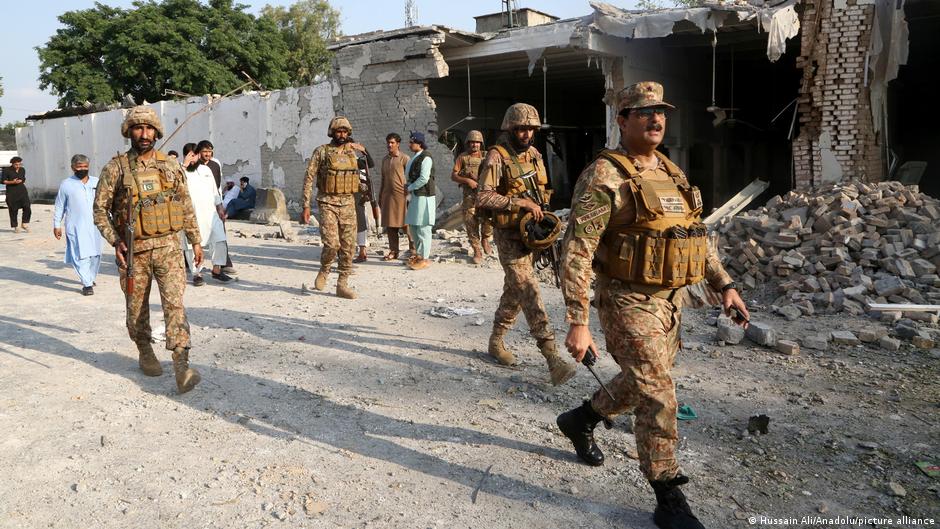
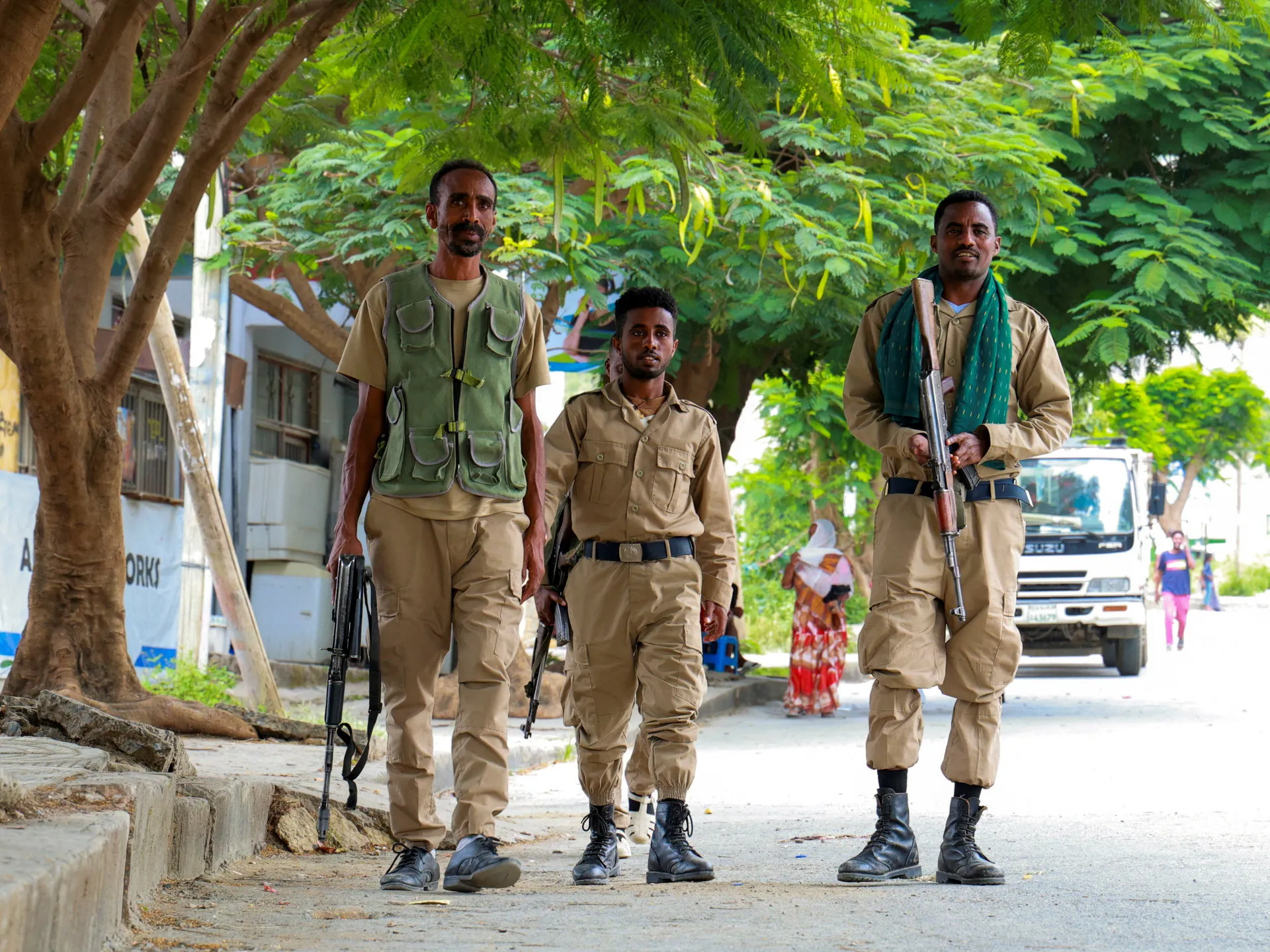
The diplomatic engagement coincides with operational developments on the ground in South Lebanon. Lebanese army engineering units have deployed to the village of Zawtar al-Gharbiyeh in the Nabatieh district, marking the commencement of a US-brokered "pilot zone" operation. This deployment follows the withdrawal of Israeli forces from specific areas under a trilateral framework agreed upon in June between Israel, Lebanon, and the United States.
The pilot programme represents a tangible step toward de-escalation, yet the broader strategic outlook remains uncertain. The Lebanese Army’s capacity to enforce state authority is being tested amid intricate security dynamics, and the path to a full Israeli withdrawal and the complete disarmament of Hezbollah is fraught with challenges. The long-term implications of the pilot zone and the trilateral framework for regional stability have not been fully determined.
While the immediate focus remains on the implementation of the trilateral agreement and the US military support pledged by President Trump, the success of the effort to forge a lasting peace with Israel is not guaranteed. The situation continues to evolve as Washington, Beirut, and Jerusalem navigate the delicate balance between enforcing state sovereignty and managing regional security threats.