Lebanon marks Liberation Day amid ongoing Israeli bombardment and political fracture
Three killed in southern air raids as Hezbollah challenges government sovereignty while President Aoun pursues direct talks with Israel.
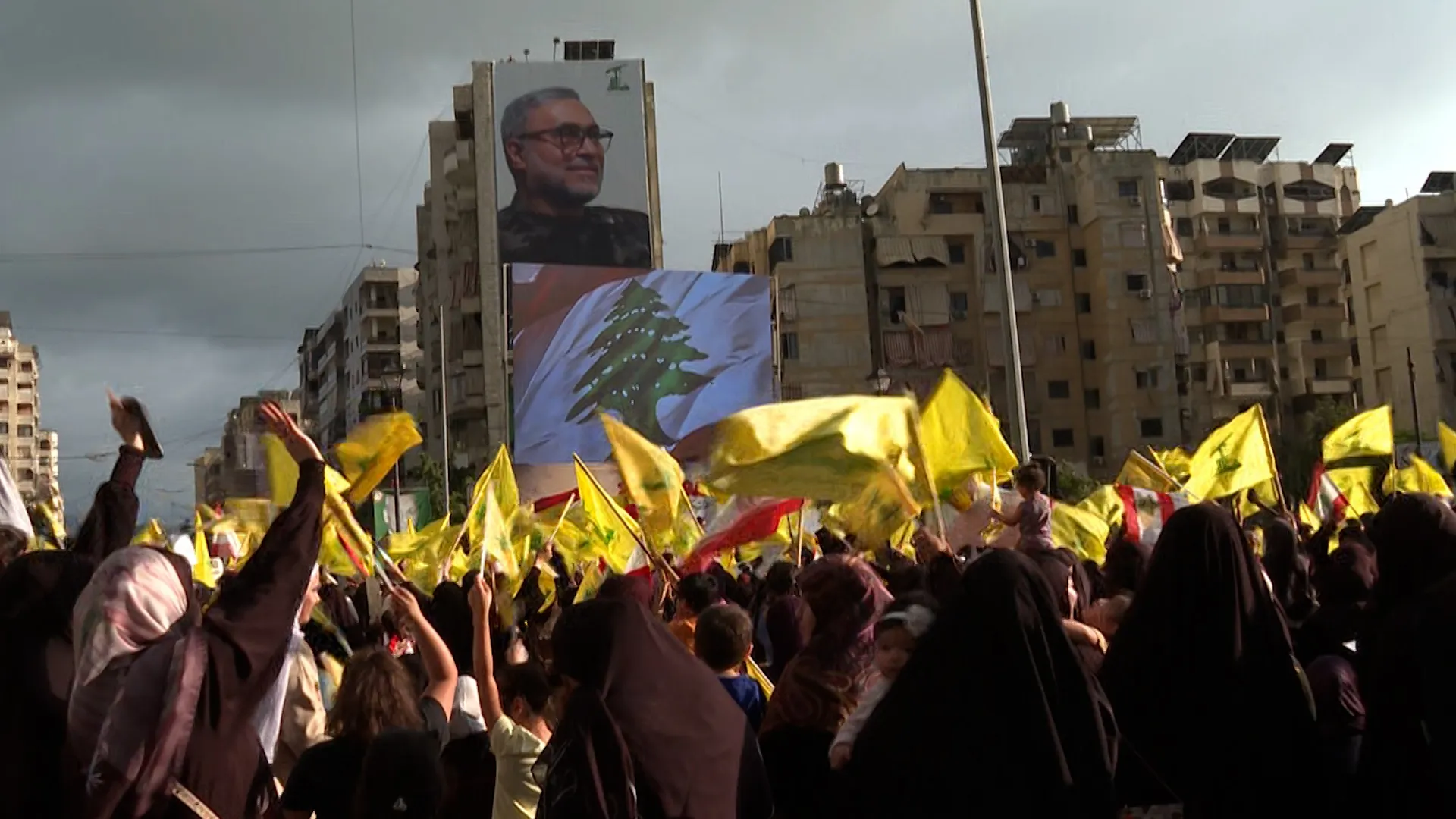
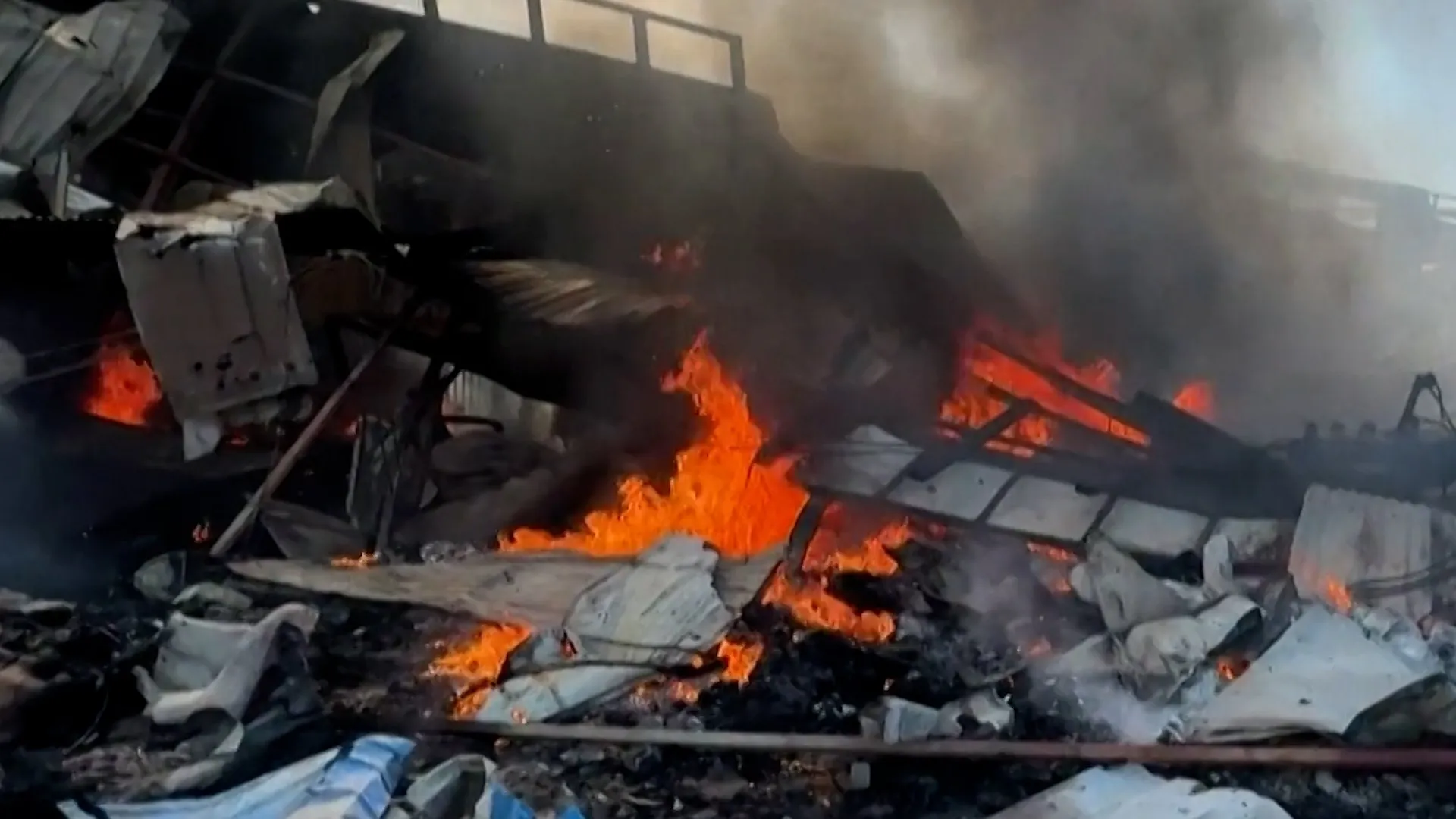
Lebanon observed Liberation Day on 25 May 2026 with public gatherings, despite the country remaining under active Israeli military bombardment. The national holiday, which commemorates the end of the Syrian occupation in 2005, was marked by significant strain as renewed hostilities continue to impact civilian areas. On the day of the observance, Israeli air raids resulted in three deaths in southern Lebanon and struck residential homes near Tyre, prompting evacuation orders in the affected zones.
The humanitarian toll of the conflict has been severe since hostilities resumed on 2 March 2026. According to figures released by Lebanon’s Ministry of Public Health, 3,151 people have been killed during this period. While the violence has persisted across the south, the situation in the capital has seen some fluctuation following diplomatic interventions.
US President Donald Trump announced a ceasefire on 16 April 2026, which has reportedly eased attacks on Beirut. However, military assaults in the southern regions have continued, indicating a partial or uneven implementation of the truce. This disparity has complicated efforts to stabilise the country as it attempts to mark a significant national milestone.
Political tensions within Lebanon have intensified alongside the military pressure. Prime Minister Nawaf Salam stated that Lebanon would not celebrate the holiday until Israel completely withdraws and displaced people can return safely. President Joseph Aoun is currently engaging in direct talks with Israel for a full withdrawal, a strategy he insists is necessary to restore national dignity.
The internal political crisis deepened when Hezbollah Secretary-General Naim Qassem issued a televised address challenging the executive branch. Qassem suggested that the government should resign if it cannot protect sovereignty, a move that drew strong condemnation from the US State Department. The comments highlight the growing rift between the state apparatus and influential political factions as the nation navigates the dual pressures of war and governance.