Lebanon enacts historic amnesty and abolishes death penalty in governance overhaul
New legislation converts capital sentences to fixed terms and mandates releases for long-term detainees without charge, addressing demands from Hezbollah, Christian parties, and Islamist factions.
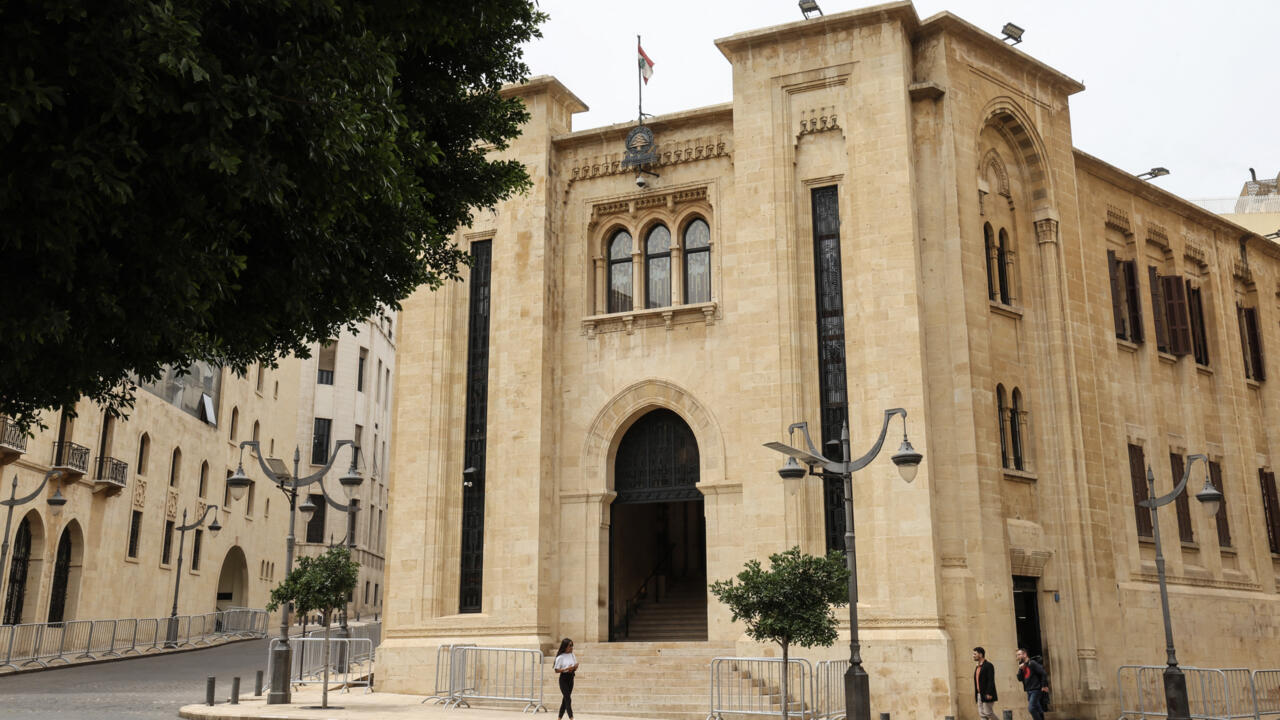
Lebanon’s parliament has passed a sweeping general amnesty law aimed at alleviating severe prison overcrowding, which authorities estimate at 300 percent. The legislation, approved on Wednesday, reduces sentences for inmates and mandates the release of those detained for more than 12 years without charge. The move follows the legislature’s decision on Tuesday to abolish the death penalty, rendering Lebanon the first country in the Middle East to formally end the practice.
The new law converts death and life imprisonment sentences to 17 prison years. According to lawmaker Imad al-Hout, this equates to 12 years and nine months of actual imprisonment, based on Lebanon’s calculation of a prison year as nine months. Authorities have not yet announced the total number of individuals who will benefit from the amnesty, which is the first of its kind since 1991.
The legislation addresses long-standing demands from various political factions regarding specific prisoner categories. Iran-backed Shia movement Hezbollah and its ally Amal have sought amnesty for individuals convicted of drug-related offences and car theft, particularly from the eastern Baalbek and Hermel regions where illicit cannabis cultivation is prevalent.
Christian parties have pushed for the inclusion of families of those who joined an Israeli-backed proxy and fled to Israel after its withdrawal from southern Lebanon in 2000, fearing reprisals. Additionally, the amnesty impacts Islamist prisoners jailed for events linked to the Syrian civil war, a situation that gained prominence following the 2024 fall of Syrian president Bashar al-Assad.
Prison overcrowding has reached critical levels, with the National Human Rights Commission reporting at least 6,268 inmates by the end of March 2025. The parliament’s decision to replace capital punishment with life imprisonment accompanied by aggravated hard labour formalises a moratorium on executions that has been observed for over two decades.
Globally, the trend towards abolition continues to gain momentum. As of December 2025, close to three-quarters of countries had abolished the death penalty in law or practice. Lebanon’s previous general amnesty law, enacted after the 1975-90 civil war, allowed former warlords to enter politics without trial for crimes committed during the conflict.
The current legislative shift signals a significant recalibration of Lebanon’s penal and political landscape. By addressing the backlog of detainees and aligning with international human rights norms, the parliament has attempted to resolve a complex web of domestic security concerns and political grievances.