Lebanese Culture Minister Warns of Heritage Crisis as Israeli Forces Capture Beaufort Castle
With Israeli troops advancing north of the Litani River and capturing a 900-year-old fortress, Lebanon’s government reports that ancient Phoenician and Roman sites are in “serious danger” amid a displacement crisis affecting over a million people.
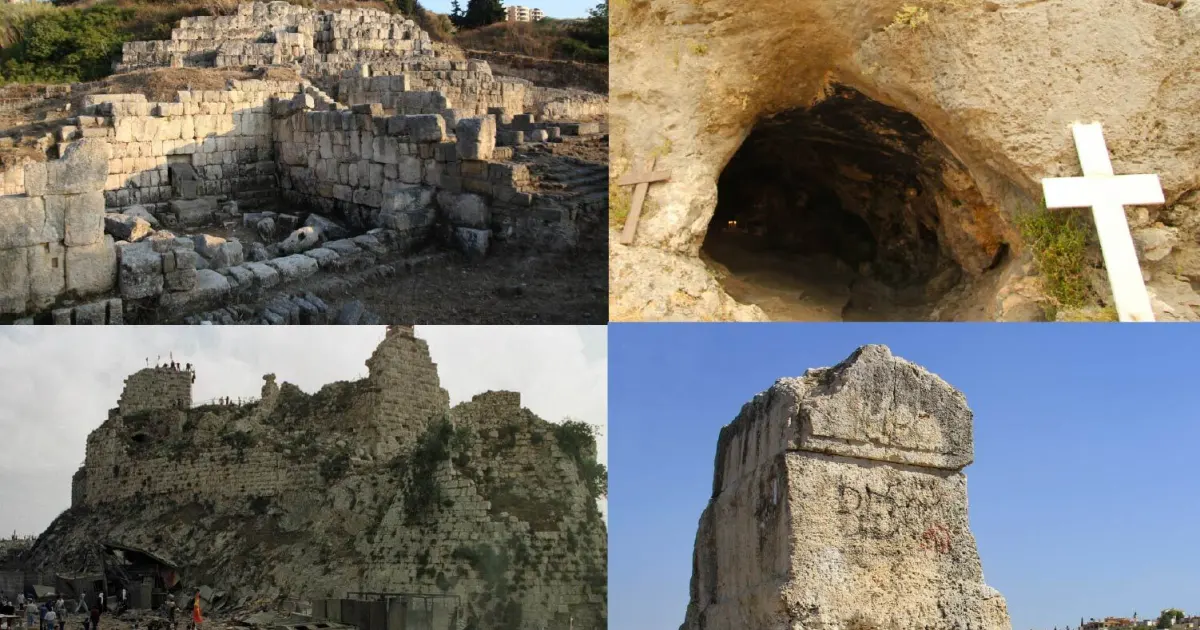
Israel’s expanding military offensive in southern Lebanon has precipitated a significant crisis for the region’s archaeological and cultural heritage, according to Lebanon’s Culture Minister Ghassan Salame. The escalation includes the capture of Beaufort Castle, a 900-year-old fortress near Nabatieh, marking the deepest Israeli military incursion into Lebanese territory in 26 years.
Minister Salame stated that Israeli attacks are placing heritage sites, including those in the ancient Phoenician city of Tyre, in “serious danger”. Bombings have occurred in close proximity to Tyre’s Roman-era ruins, while the medieval Beaufort Castle was “directly hit” during the fighting. The conflict has also forced displacement orders on approximately 200,000 people in and around Tyre, contributing to a wider humanitarian crisis that has uprooted more than one million people across Lebanon.
The military operations have seen Israeli troops cross north of the Litani River and advance towards the Zahrani River. This movement follows days of fierce combat and represents a significant deepening of the ground campaign. The area around Nabatieh, where Beaufort Castle is situated, has historically been a strategic stronghold, with the fortress changing hands between Crusaders, Ottomans, and various regional powers before its recent capture.
Several sites in southern Lebanon hold provisional enhanced protection under the 1954 Hague Convention, a status that provides the highest level of legal protection for cultural heritage under international law. Lebanon is home to at least 39 cultural sites granted this designation, including the Eshmun sanctuary near Sidon, the Historic Centre of Saida, and other medieval castles in the Mount Amel region. Non-compliance with these protections constitutes a serious breach of the convention and its 1999 Second Protocol, potentially giving rise to criminal responsibility.
The destruction of these sites carries implications beyond immediate physical loss. Lazare Eloundou Assomo, assistant director-general for culture at UNESCO, has emphasised that heritage serves as a backbone of identity, noting that its destruction undermines moral standards and erodes social cohesion. With Tyre, a former leading maritime power of the ancient world, now facing direct threats to its archaeological layers, the conflict threatens to erase centuries of documented history spanning Phoenician, Roman, and Byzantine eras.