Lebanese Army Enters Pilot Zone as Displaced Residents Face Safety Delays
Prime Minister Nawaf Salam plants national flag in southern town, asserting commitment to full Israeli withdrawal, while residents express doubt over security guarantees and the deal’s terms.
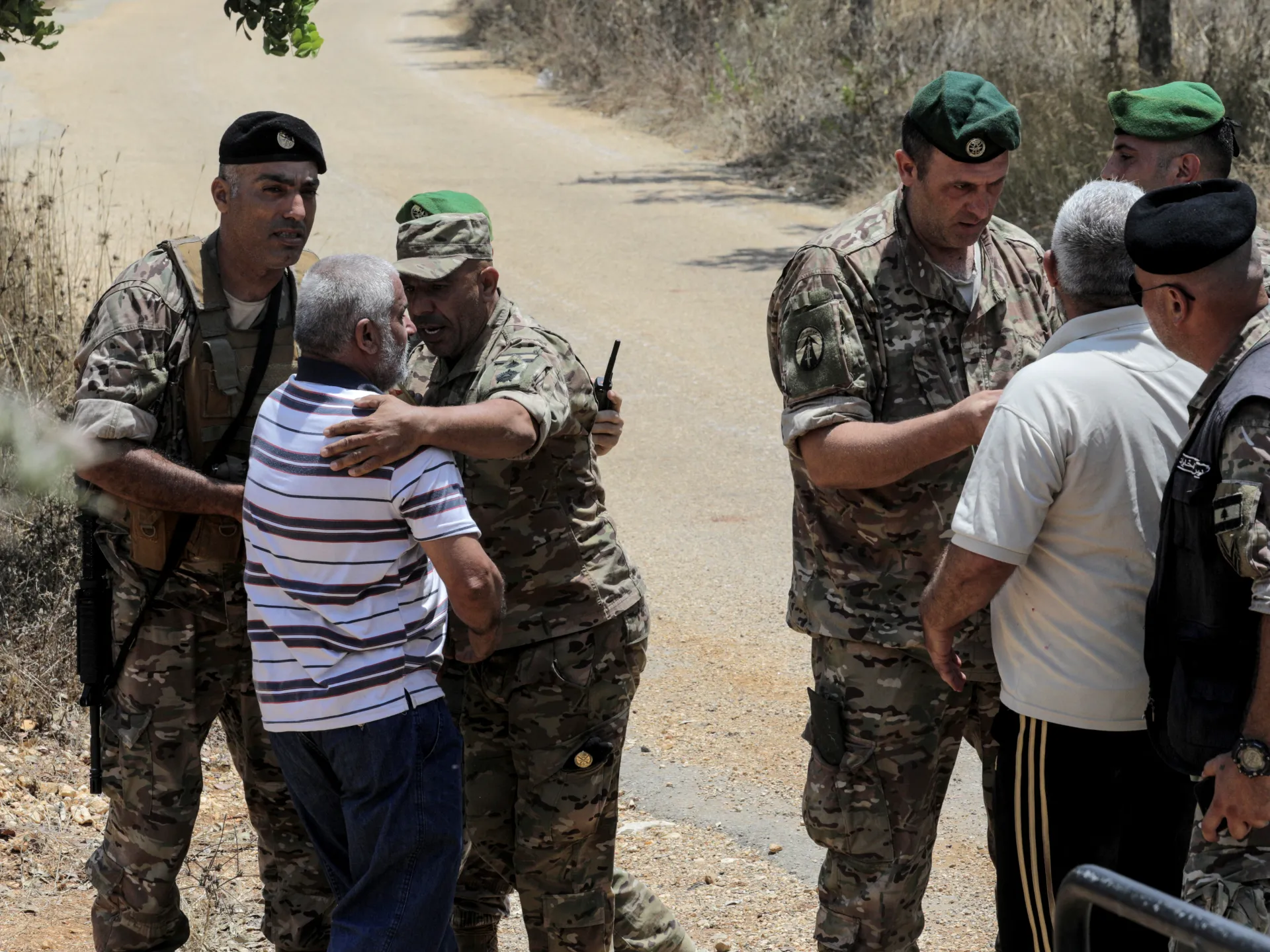
The Lebanese army has deployed into Zawtar al-Gharbiya, one of three designated pilot zones in southern Lebanon, initiating the implementation of a US-brokered framework agreement signed on June 26. The deployment marks the commencement of a gradual Israeli withdrawal and the re-establishment of state security forces to prevent Hezbollah from re-entering the area. However, the return of displaced families has been halted as military engineering units work to clear unexploded ordnance from the town.
Prime Minister Nawaf Salam visited Zawtar al-Gharbiya on Tuesday, planting the national flag near a flattened building in what was widely interpreted as a political statement. Salam asserted that the government’s objective remains the complete Israeli withdrawal from all Lebanese territory, describing the current deployment as merely the beginning of a broader diplomatic and political mobilisation. Despite these assurances, residents expressed deep scepticism regarding the security guarantees provided by the agreement and the extent of the Israeli occupation in neighbouring villages.
The operational environment remains hazardous, underscored by a landmine explosion that wounded two Red Cross paramedics while they were searching for bodies during clearance operations. A soldier stationed at the town’s entrance told reporters that entry was restricted due to the danger, forcing families to wait for hours under the sun, with some staying overnight. The delay has intensified frustration among displaced residents who view the months of displacement as unsustainable.
Public reaction to the framework agreement remains sharply divided. While President Joseph Aoun has described the deal as not ideal but the best available option given the balance of power, many in the south view it as a surrender. Hezbollah supporters and some residents argue that Lebanon should have aligned with Iran during negotiations and reject direct talks with Israel. Some residents have stated that they do not trust the Lebanese state’s ability to provide security, citing historical absence and fears of Israeli retaliation.
The Lebanese army’s role in preventing Hezbollah’s return is expected to align with Israel’s security interests, yet the military has shown reluctance to confront the group directly. Notably, Army Commander General Rodolphe Haykal did not accompany Prime Minister Salam during the visit to Zawtar al-Gharbiya, suggesting a potential hesitation within the military hierarchy. The deployment has reignited debates over sovereignty, with some residents demanding the liberation of all southern villages rather than focusing on a single pilot zone.