Leavitt to exit White House press secretary role ahead of midterms
Karoline Leavitt’s departure marks the end of a tenure defined by selective press access and a shift away from traditional correspondent pools, occurring just before November’s midterm elections.
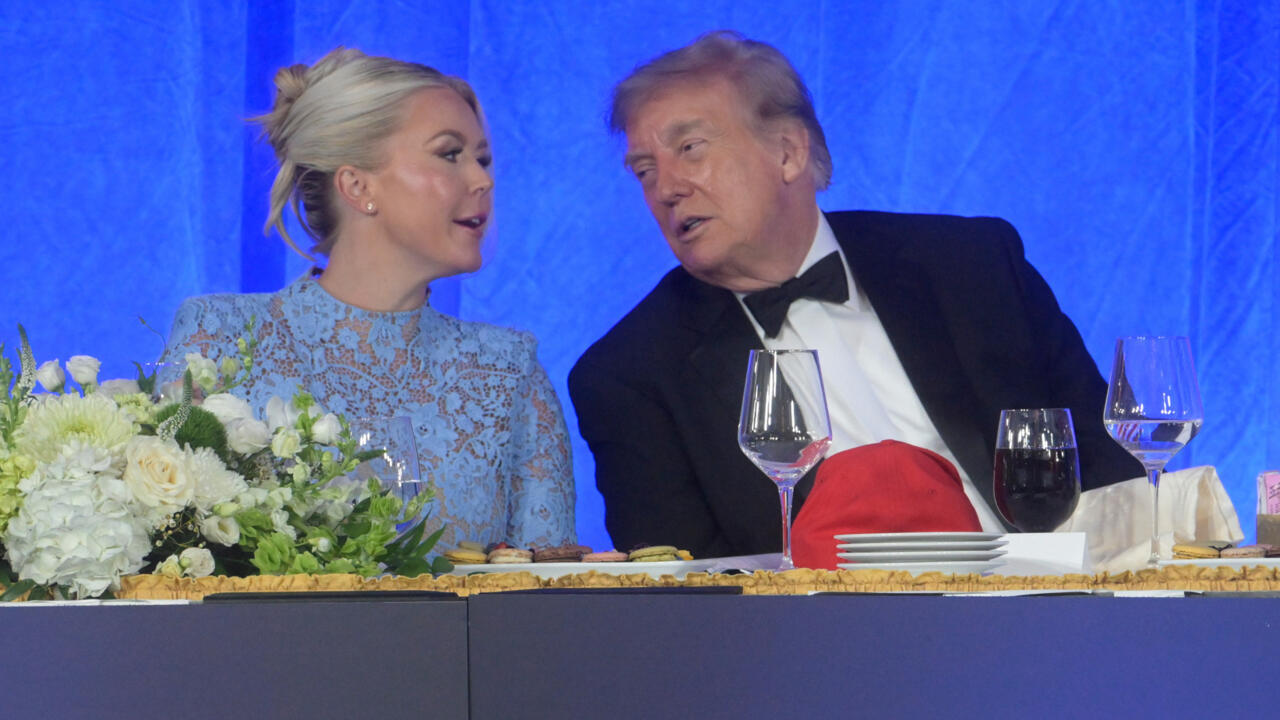
US President Donald Trump has confirmed that White House press secretary Karoline Leavitt will step down from her position at the end of the month, a move that removes one of his most trusted advisers from the executive branch ahead of November’s midterm elections. Leavitt, 28, will transition into an external role as a communications adviser and party operative, focusing on shaping the future direction of the "Make America Great Again" movement.
In a statement regarding her departure, Leavitt cited a desire to spend more time with her young children. She gave birth to her second child, a daughter, in May and had recently returned from maternity leave. Trump praised Leavitt’s leadership since 2018, describing her as one of the best press secretaries in the history of the office and highlighting her role in the historic re-election campaign of 2024.
Leavitt’s appointment marked a significant shift in the administration’s personnel, as she became the youngest person ever to hold the role of White House press secretary. Her career with Trump began with the 2024 campaign, where she served as a transition spokeswoman before being elevated to the White House. Harrison Fields, Trump’s former principal deputy press secretary, noted that Leavitt possessed a unique ability to speak "Trump fluently" and manage media relations with what he described as cunning and audacity.
During her year and a half in the role, Leavitt and White House communications director Steven Cheung overhauled the administration’s media posture. The traditional "press pool" system, managed by the White House Correspondents Association to ensure uniform access for major news outlets, was replaced by a selective access model. The administration began handpicking journalists who could approach the president, a change that drew mixed reactions from press advocates.
The restructured briefing room also introduced a dedicated seat for "new media," granting podcasts, newsletters, and digital outlets a more prominent role in covering the presidency. While some viewed this as an adaptation to the changing media landscape, critics argued it served as a lever to reward outlets with favourable coverage. Leavitt’s exit leaves the identity of her successor and the strategic direction of the communications office as key variables in the political landscape.
The announcement comes amidst reports from the Washington Post detailing heightened security protocols during the president’s recent travels. The newspaper reported that Trump used a decoy plane carrying cabinet officials and staff to mask his departure from a NATO summit in Turkey in July, citing a potential Iranian assassination threat. The Secret Service allegedly moved the president clandestinely in the back of a catering truck, a departure from standard precedent that left journalists and staffers on the original jet unaware of his movements.
As the administration prepares for the midterms, the reshuffle signals a continued consolidation of communications control within Trump’s inner circle. Leavitt’s move to an outside operative role suggests a strategy to maintain influence over the party’s messaging from beyond the White House walls, even as the internal mechanics of press engagement remain under tight executive control.