Oman confirms oil spill from sanctioned tanker reaches mainland beaches
The Caroline Bezengi, a vessel linked to Russia’s shadow fleet, continues to leak oil off Qabiliyah Island, threatening marine habitats and raising concerns for distant coastal areas.
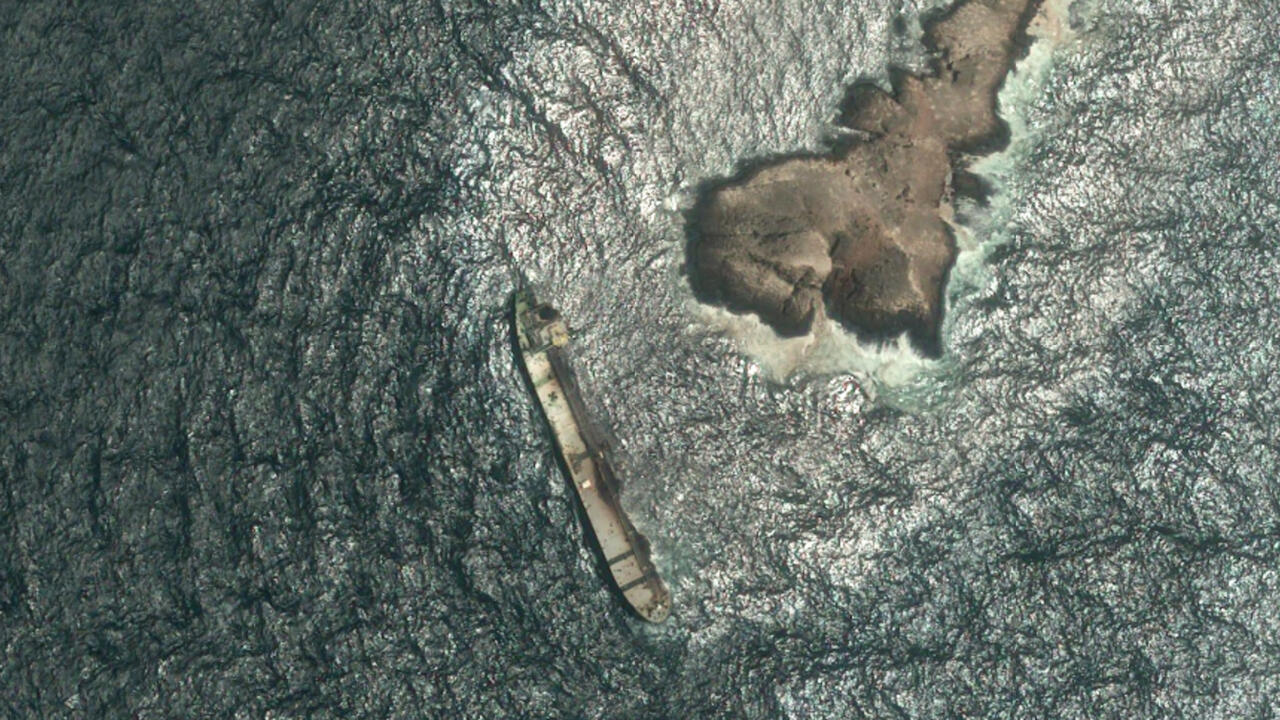
Oman’s Environment Authority confirmed on Wednesday that crude oil leaking from the grounded tanker Caroline Bezengi has reached mainland beaches, marking a significant escalation in the environmental crisis unfolding off the country’s coast. The contamination was identified at Ras Madrakah, located approximately 200 kilometres north of the vessel, which remains partially submerged off Qabiliyah Island.
The spill poses a direct threat to marine habitats and a nearby protected area, with authorities warning that the southern coasts of Masirah Island, situated more than 300 kilometres from the wreck, may also be affected in the coming hours. Strong winds and monsoon currents are accelerating the spread of the oil, with recent satellite imagery indicating the affected area now exceeds 600 square kilometres.
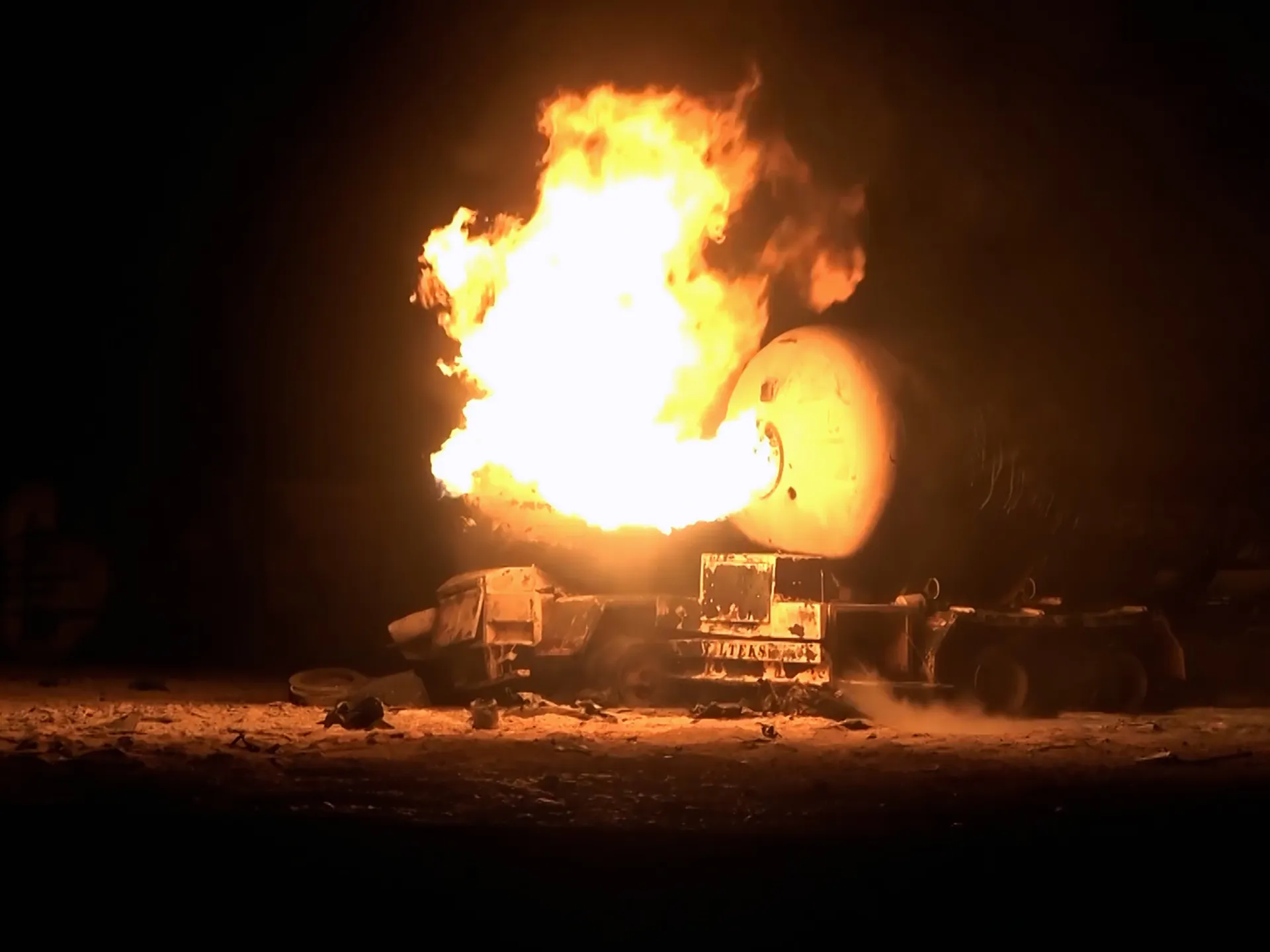
The 247-metre vessel reported an explosion in June while carrying nearly one million barrels of oil. No party has claimed responsibility for the incident, and the specific cause of the explosion remains unrevealed. Geospatial data from SynMax Maritime indicates the tanker departed the Russian Black Sea port of Novorossiysk in May before the incident occurred.
The Caroline Bezengi is believed to be part of Russia’s shadow fleet and has been sanctioned by the British government and the European Union for its involvement in transporting Russian oil. The vessel’s owners are believed to be based in Shanghai, though these details are presented as reported assessments rather than confirmed facts by all parties.
The incident occurs against a complex geopolitical backdrop, with Oman acting as a mediator in the ongoing conflict in Iran, which the United States and Israel launched on February 28. As the environmental impact deepens, the lack of clarity regarding the vessel’s origin and the cause of the breach continues to complicate the response efforts.