Leaked images reveal compact Microsoft Xbox Cloud Gaming controller
Photos of a diminutive, rectangular controller designed for the Xbox Cloud Gaming service have surfaced, highlighting a departure from Microsoft’s traditional AA battery reliance and a focus on low-latency wireless connection.
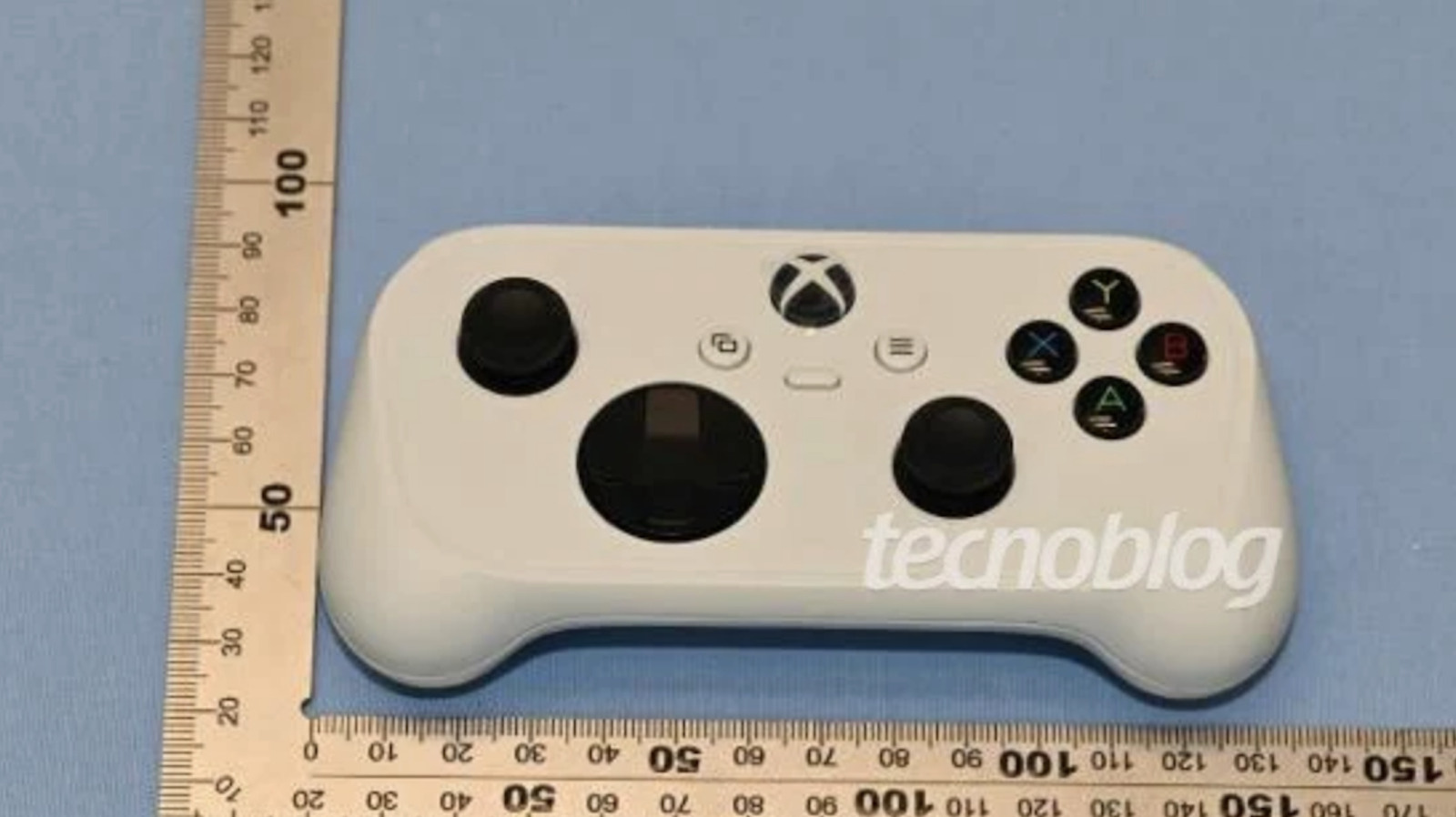
Images of an unannounced, compact controller for Microsoft’s Xbox Cloud Gaming service have leaked online, offering the first detailed look at the hardware. The photographs, initially published by the Brazilian technology website Tecnoblog, depict a device significantly smaller than standard Xbox controllers. The unit features a rectangular body with short grips, staggered thumbsticks, and the familiar Xbox button layout, available in both black and white colour options.
According to a report by The Verge, the device is manufactured by Microsoft rather than a third-party partner. This marks a notable shift in design philosophy for the company, which has historically favoured larger controllers powered by AA batteries. The leaked images confirm the presence of an internal rechargeable battery, suggesting a move towards more integrated power solutions for its cloud gaming peripherals.
Technical analysis provided by Digital Foundry indicates that the controller is powered by a dual-core ARM Cortex A7 processor housed within a Realtek chipset. This hardware configuration supports the device’s primary connectivity method: a direct Wi-Fi connection to the Xbox Cloud Gaming service. This approach is designed to minimise latency compared to traditional Bluetooth connections, although Bluetooth remains available as a secondary option for compatibility.
The compact form factor has drawn immediate comparisons to products from third-party manufacturer 8BitDo, known for their smaller, retro-inspired controllers. However, the inclusion of official Xbox branding and button aesthetics confirms Microsoft’s direct involvement in the project. The device appears tailored specifically for cloud gaming scenarios where portability and low latency are critical for user experience.
As the product remains officially unannounced, Microsoft has not provided confirmed pricing, release dates, or final specifications. The leak may prompt the company to accelerate an official announcement to clarify the device’s availability and intended market. Until then, the controller remains a prototype-level reveal, with no guarantee of a public release.
