US hosts third Lebanon-Israel ceasefire talks amid ongoing hostilities
The third round of negotiations brings together Lebanese and Israeli officials in the US capital, with analysts questioning the efficacy of the diplomatic process while attacks persist on the ground.
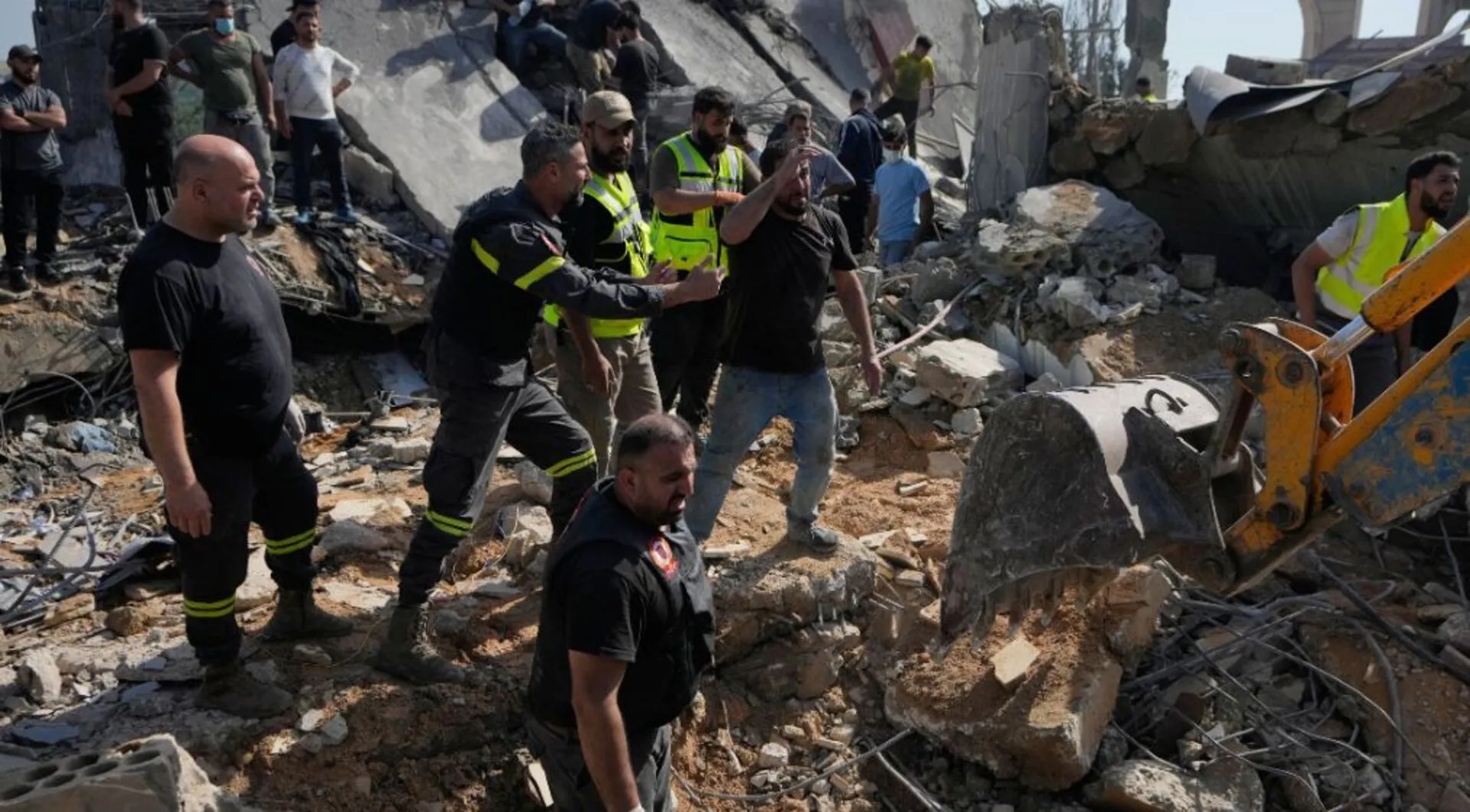
The United States is facilitating the third round of ceasefire negotiations between Lebanese and Israeli officials in Washington, a diplomatic effort that proceeds despite ongoing Israeli military attacks on Lebanon and explicit opposition from Hezbollah to the peace process. The discussions are designed to clarify US strategic objectives and explore a potential path forward for Lebanon, a nation that has endured decades of conflict.
The negotiations take place against a backdrop of active hostilities, with Israeli strikes continuing in Lebanon even as officials gather in the US capital. Hezbollah has publicly opposed the ceasefire talks, casting a shadow over the diplomatic initiative. The central question facing the proceedings is whether the current framework can effectively establish a way forward for Lebanon following years of war, or if the disconnect between diplomatic rhetoric and military reality will undermine the process.
Commentary on the developments features Ali Rizk, a security and foreign affairs analyst based in Beirut, who provides perspective on the ground-level implications of the talks. Jennifer Gavito, former acting principal deputy assistant secretary of state for Near Eastern affairs, offers insight into the US diplomatic stance, while Rami Khouri, a distinguished fellow at the American University of Beirut, contributes analysis on the regional political dynamics.
The timing of the ceasefire talks coincides with King Charles’ four-day state visit to the United States, which aims to strengthen strained US-UK relations and mark the 250th anniversary of American independence. The royal visit, which includes a private meeting with President Trump and an address to Congress, occurs amidst broader geopolitical tensions, including differences between the allies over the Iran war.
While the US role is defined by mediation between the conflicting parties, the specific outcomes of the third round remain uncertain. The extent to which Hezbollah’s opposition will impact the implementation of any potential ceasefire, and the precise nature of the proposed path forward for Lebanon, are yet to be determined by the negotiations in Washington.