Leaked documents expose Russian influence operation across West and Central African media
A consortium led by FRANCE 24 and Forbidden Stories reveals how a $300,000 campaign spread anti-France and anti-Ukraine narratives through vulnerable local newsrooms.
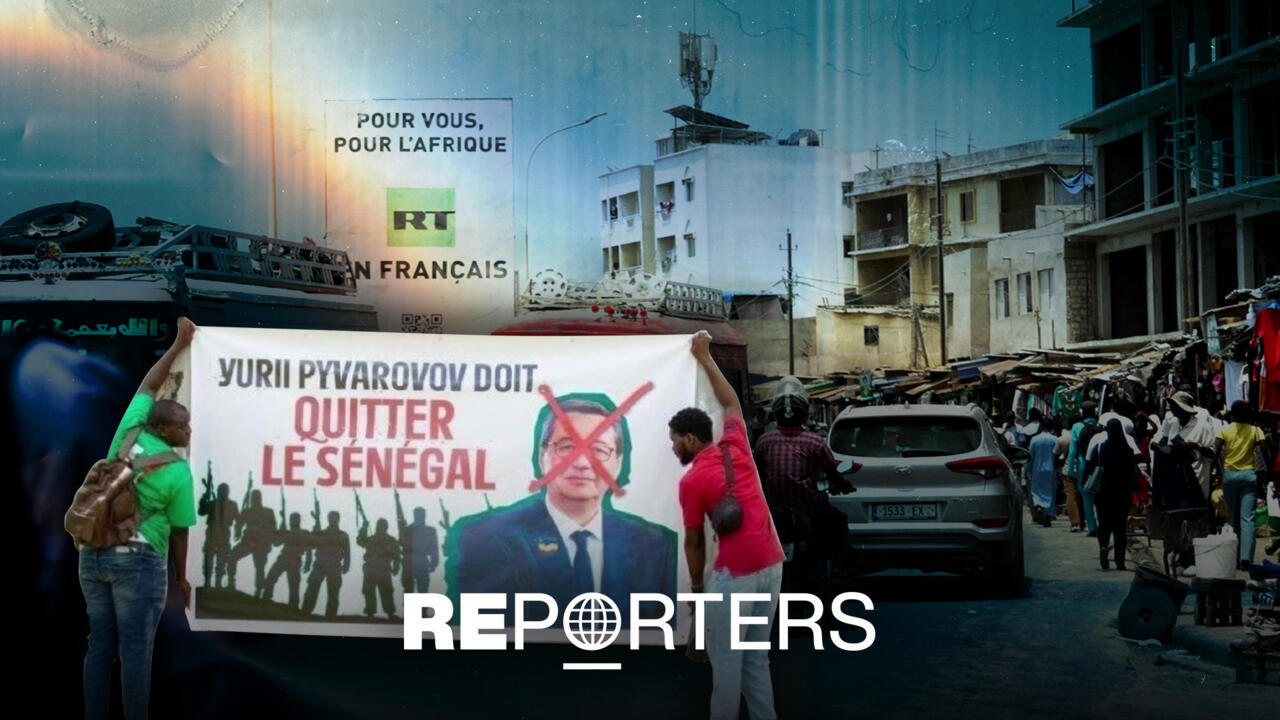
Confidential documents have revealed the scale of Project Afrika, a Russian influence operation that placed hundreds of propaganda articles in French-speaking media outlets across West and Central Africa. The leak, initially received by the Pan-African media outlet The Continent, was analysed by a consortium of international news organisations led by Forbidden Stories and including FRANCE 24. The investigation details how a Russian entity known as Africa Politology, internally referred to as the “Company”, executed a coordinated campaign to shape public opinion in the region.
According to the leaked records, the operation cost more than $300,000 and resulted in the placement of 644 articles containing propaganda or disinformation in at least 35 media outlets between June and November 2024. The strategic aim of the campaign was to spread anti-France and anti-Ukraine narratives, with a specific focus on bringing countries such as Senegal into Russia’s sphere of influence. Africa Politology was originally created by the Wagner Group before being taken over by Russia’s secret services in 2023.
FRANCE 24 journalists travelled to Dakar, Senegal, to investigate the local mechanics of the influence network. The reporting identified local intermediaries who ordered and delivered “ready-to-publish” articles to vulnerable media outlets. The investigation highlights how these news sites, often dependent on advertising revenue, seek to publish high volumes of content, making them porous to such external influence operations.
Ibrahima Lissa Faye, the Head of Publication at the Senegalese media outlet PressAfrik, confirmed to the FRANCE 24 team in March that his news site had published 13 articles featuring Russian propaganda. Lissa Faye noted that reading such content gave the impression of an intent to manipulate opinion. His outlet is one of the many identified in the documents as having been targeted by the Company’s distribution network.
The leak also identified Cameroonian journalist Jérôme Ebossama as having allegedly published 18 articles for a West African media outlet. When contacted regarding his involvement, Ebossama declined to answer questions but claimed that the leaked documents, including invoices, were fake. He stated he was the victim of a manipulation campaign, disputing the evidence linking him to the blogging operation. The documents suggest similar influence networks are active in other regions, including Ivory Coast, where anti-Ukrainian propaganda is being disseminated.