Latvia election tests coalition support amid security and cost pressures
Voters are weighing security concerns linked to Russia and economic pressures, while polling projections point to difficult coalition talks.
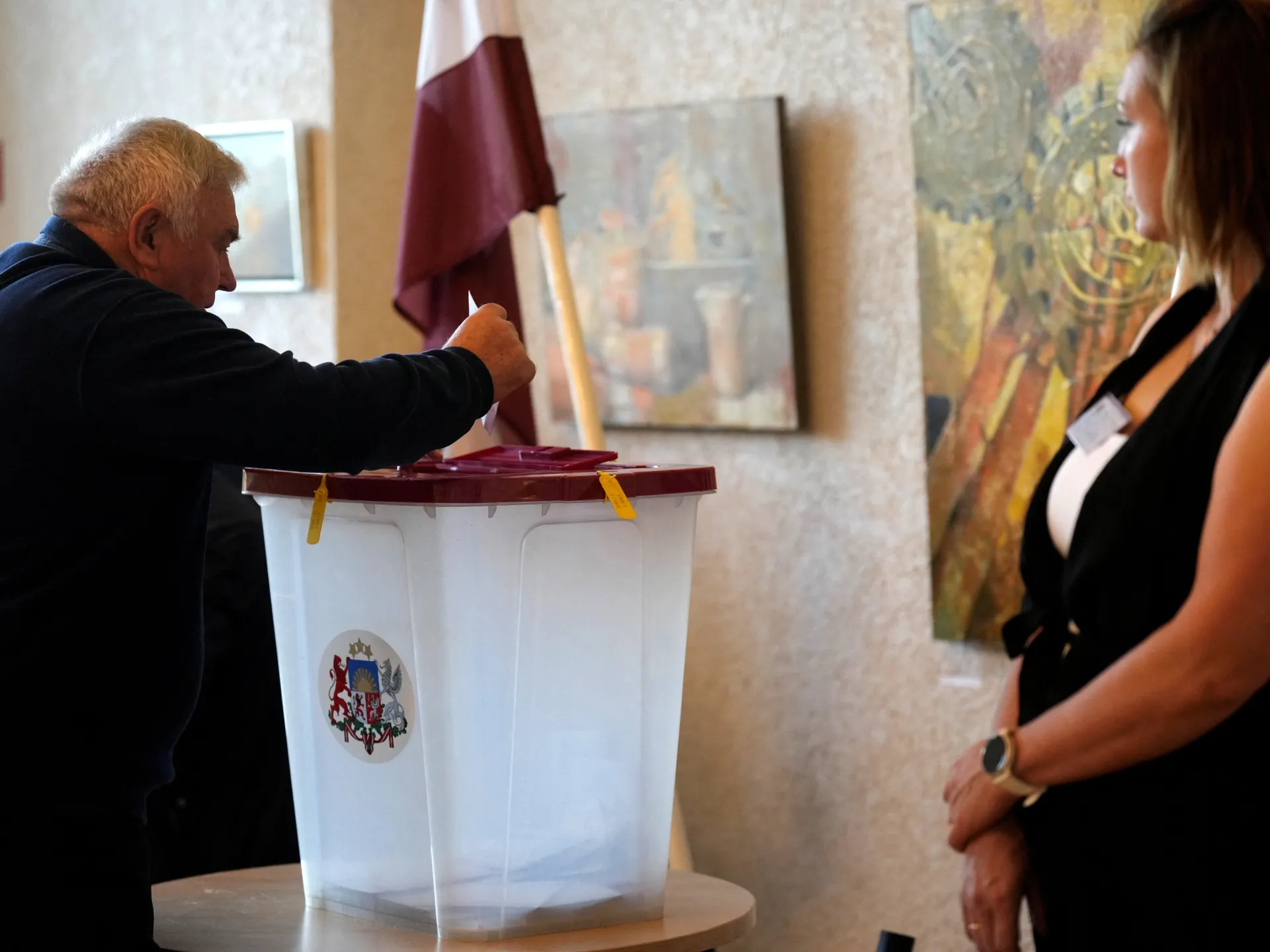
Polls have opened in Latvia’s 11th parliamentary election, with security concerns linked to Russia and the cost of living prominent in the campaign. About 1.5 million people are eligible to vote.
The vote is Prime Minister Andris Kulbergs’s first electoral test since taking office in May. Al Jazeera reports that his United List is polling at about 20 per cent, while two coalition allies are losing support. Kulbergs is expected to remain prime minister, but the projections suggest negotiations over a future government could be difficult.
Latvian politics is fragmented: 14 electoral lists are contesting the election, and polls suggest around seven may clear the five per cent threshold needed to enter parliament. Sovereign Power is forecast to become the second-largest party, with more than nine per cent, though most other parties have ruled out a coalition with it.
Campaign debates have also focused on low wages, pressure on healthcare and population decline. Latvia has increased defence spending to nearly five per cent of GDP since Russia’s invasion of Ukraine.
The result is not expected to change Latvia’s pro-European and pro-Ukrainian course. Final results and any coalition arrangements remain unknown.