Latin American right-wing governments pivot toward Israel in diplomatic realignment
Analysts attribute the rapprochement to shared national-conservative values and a strategic alignment with Donald Trump’s foreign policy, contrasting with the critical stances maintained by Brazil and Mexico.
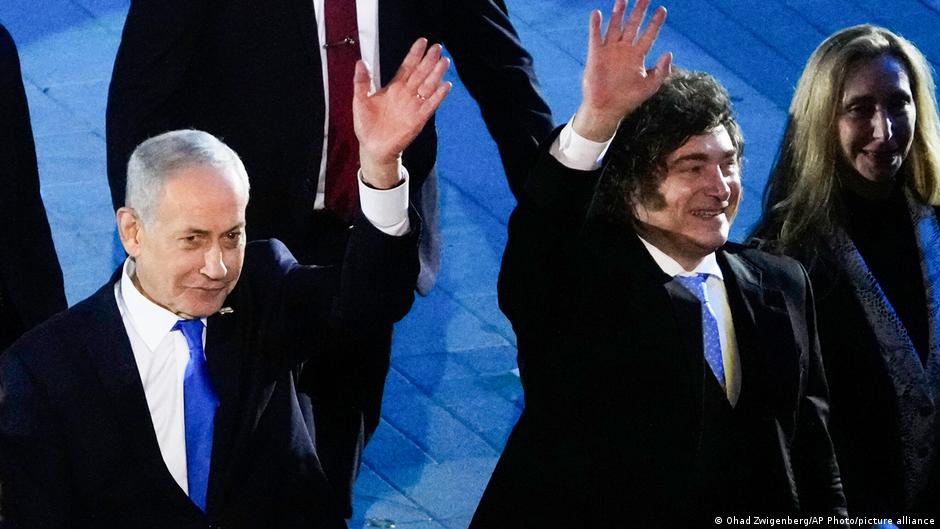
Several Latin American nations, led by right-wing and nationalist governments, are actively reversing previous diplomatic severances with Israel and strengthening bilateral relations. This regional shift marks a significant departure from the critical stances maintained by Brazil and Mexico, with analysts attributing the change to an ideological alignment with US foreign policy under Donald Trump and shared national-conservative values.
In Colombia, the nationalist government of President Abelardo de la Espriella has executed a fundamental reversal of its predecessor’s foreign policy. Following his assumption of office on 7 August, de la Espriella announced that Colombia would join the United States as the only two countries to recognise Israeli sovereignty over the Golan Heights, a move that contradicts the position of the vast majority of the international community, including Germany and the UN. Additionally, Colombia has relocated its embassy to Jerusalem and resumed diplomatic relations previously severed by former President Gustavo Petro in 2024.
Venezuela and Bolivia have also moved to restore ties with Israel. In Venezuela, the government has agreed to establish a mechanism for the resumption of consular services, a limited step described as a symbolic diplomatic success for Israel despite the country’s historical roots in socialist populism. Meanwhile, Bolivia’s new conservative President Rodrigo Paz, who assumed office in 2025, quickly restored diplomatic ties after the previous socialist government severed them in 2023.
Chile is also participating in this realignment, with national conservative President Jose Antonio Kast seeking to revive defence cooperation with Israel. This contrasts sharply with the highly critical stance taken by Chile’s former president, Gabriel Boric. Across the region, experts note that these governments are actively embracing the national-conservative government of Prime Minister Benjamin Netanyahu, viewing closer ties as a signal of a like-minded international orientation with the United States.
While Brazil, under President Luiz Inacio Lula da Silva, and Mexico, under President Claudia Sheinbaum, maintain critical or neutral positions, the surge in diplomacy between Israel and other Latin American nations offers mutual benefits. Analysts suggest that Israel gains legitimacy and influence in multilateral organisations, while Latin American countries secure partners in cyber security, artificial intelligence, and defence.