Latin America urged to reclaim resource sovereignty amid US policy shifts
In an interview on Al Jazeera's *Reframe*, Progressive International discusses how the Global South must navigate the presidency of Donald Trump

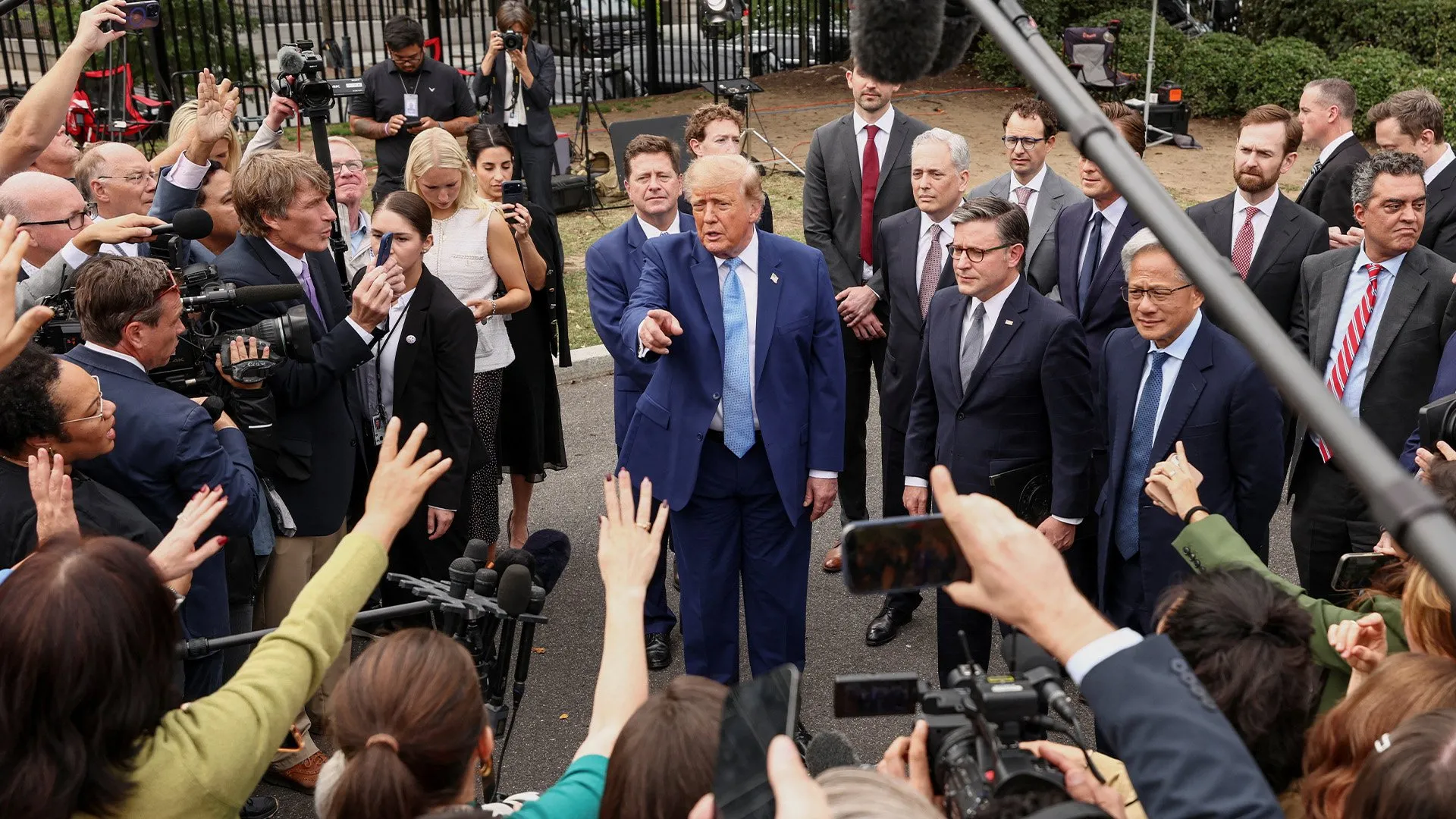
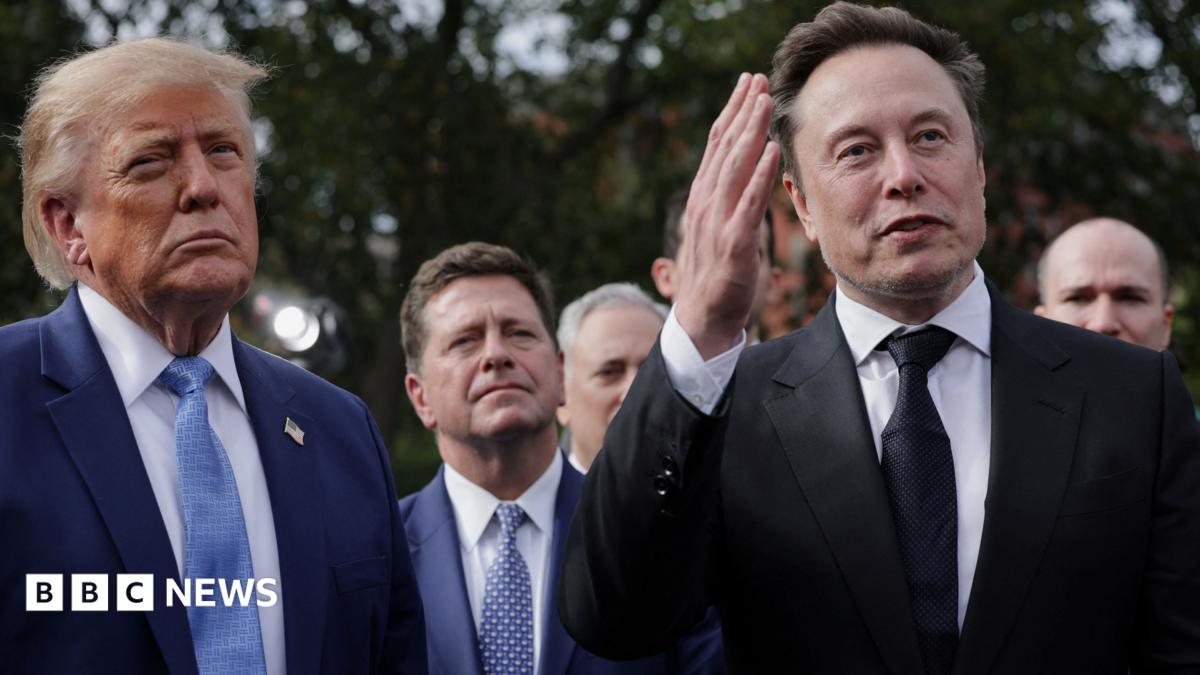
An episode of Al Jazeera's *Reframe* broadcast on 3 May 2026 featured a discussion on how Latin American nations should respond to the presidency of Donald Trump. The dialogue, hosted by Varsha Gandikota, general coordinator of Progressive International, examined the implications of current US administration policies for the region's autonomy.
The conversation centred on the perceived threat posed by the alignment of the current US government with military-industrial interests. Susana Muhamad, who served as Colombia's Minister of Environment and Sustainable Development from 2022 to 2025, highlighted how these interests impact the sovereignty of nations in the Global South. She argued that the military-industrial machine presents a direct challenge to the independence of Latin American states.
Muhamad posited that overcoming a long history of US imperial dominance necessitates a strategic reclamation of sovereignty over critical natural resources. Specifically, she identified minerals and oil as key assets that require strict national control to counter external pressures. This approach frames resource management not merely as an economic policy but as a fundamental requirement for political independence.
The interview framed the current geopolitical climate as an intensification of historical US foreign policy approaches characterised by imperial dominance. Muhamad suggested that the specific actions of the Trump administration reinforce the need for Latin American countries to consolidate their authority over their own territories and resources.
While the discussion outlined the necessity of reclaiming sovereignty, the specific policy proposals or detailed action plans suggested by Muhamad for immediate implementation were not elaborated in the available text. The focus remained on the broad principle that resource control is the primary mechanism for resisting external influence.
The dialogue underscores the tension between US hegemony and the resource sovereignty of the Global South. By linking environmental stewardship with geopolitical strategy, Muhamad's arguments suggest that the defence of natural resources is inextricably linked to the defence of national sovereignty in the face of renewed US assertiveness.