Lake Kariba ferry disaster claims 46 lives amid safety concerns
A fatal sinking on Zimbabwe’s Lake Kariba has underscored the risks facing rural transport infrastructure, with authorities confirming a minimum of 46 fatalities following a Tuesday incident.
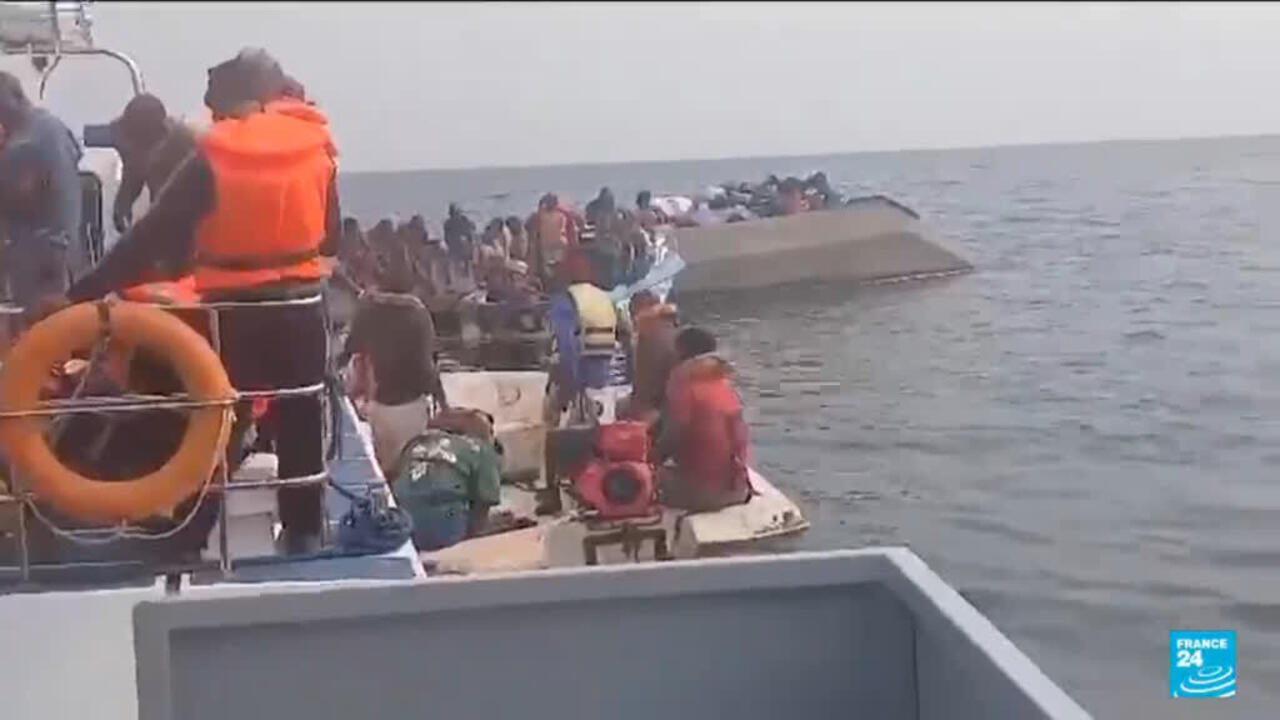
Hundreds of mourners gathered in Zimbabwe to pay their respects following a ferry disaster on Lake Kariba that has resulted in at least 46 deaths. The memorial service marks the latest development in a tragedy that has highlighted the precarious nature of water transport in the region’s rural communities.
The vessel involved in the incident served as a critical lifeline for villagers and fish traders navigating the vast lake. According to reports from France 24 International, the boat encountered trouble on Tuesday while reportedly overloaded. The specific circumstances leading to the sinking remain under scrutiny, with early accounts pointing to capacity issues as a primary factor.
The confirmed death toll of 46 represents a minimum figure, as rescue and recovery operations are likely to continue. The reliance on such ferries for daily commerce and travel in the area means that safety standards are of significant public interest, particularly given the vessel’s role in connecting isolated populations.
While the exact cause of the mechanical or environmental failure has not been officially detailed, the allegation of overloading suggests potential regulatory gaps in passenger and cargo management. The incident has drawn attention to the infrastructure challenges faced by rural Zimbabwe, where alternative transport links are often limited.
As the community comes together to mourn, the focus remains on the ongoing efforts to account for all passengers and the subsequent review of safety protocols for waterborne transport on Lake Kariba. The disaster serves as a stark reminder of the vulnerabilities inherent in essential rural services.