Lai asserts Taiwan’s future rests with citizens as defence and diplomatic pressures mount
Taiwan’s leadership faces domestic legislative opposition and shifting geopolitical dynamics as Beijing condemns remarks on sovereignty.
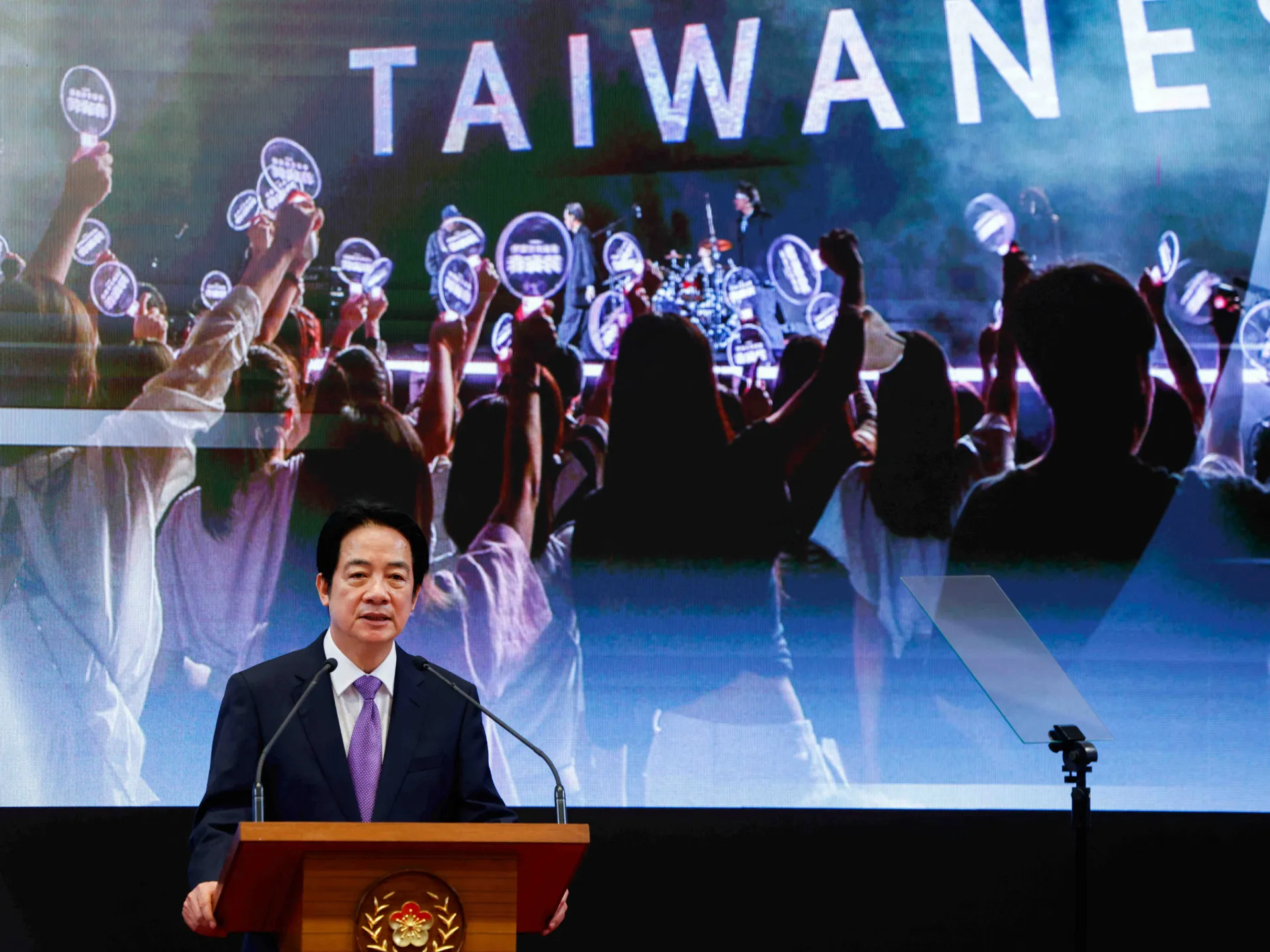
Taiwanese President William Lai Ching-te marked the second anniversary of his inauguration by declaring that the island’s political destiny is determined by its 23 million citizens rather than external powers. Speaking on Wednesday, Lai reaffirmed his commitment to maintaining peace and stability across the Taiwan Strait, the 180km waterway separating the island from mainland China. He stated that while he remains open to engaging with Beijing, any dialogue must be conducted through orderly exchanges grounded in principles of equality and dignity.
Lai’s address was met with immediate condemnation from China’s Taiwan Affairs Office. Spokesperson Zhu Fenglian accused the president of inciting cross-strait confrontation and peddling separatist fallacies. Zhu argued that Lai was utilising a narrative of democracy versus authoritarianism to mask efforts to seek independence through foreign aid and force, claiming the president was ignoring the wellbeing of the Taiwanese public to pander to external interests.
The remarks come as Lai navigates significant domestic political turbulence. The opposition-controlled legislature recently reduced Taiwan’s signature special defence budget from $40 billion to $25 billion. In a separate escalation, lawmakers attempted to impeach Lai over a tax revenue dispute, though the effort ultimately failed. These legislative actions have contributed to shifting public sentiment, with a poll conducted earlier this month by news network TVBS showing Lai’s approval rating at 38 percent and disapproval at 44 percent.
External pressures have further complicated Lai’s tenure. Since his inauguration in May 2024, China has conducted five rounds of military exercises around the island. Diplomatic isolation has also intensified, exemplified by a delayed state visit to Eswatini, Taiwan’s only diplomatic ally in Africa. Lai was forced to reroute the trip via a circuitous path on Eswatini King Mswati III’s private jet after several countries denied airspace access due to alleged Chinese pressure.
Uncertainty also surrounds the island’s relationship with the United States, its longstanding unofficial ally. US President Donald Trump recently indicated that American arms sales to Taiwan could serve as a negotiating chip with Beijing, a comment made following a meeting with Chinese President Xi Jinping in Beijing. While Washington has maintained a policy of strategic ambiguity regarding Taiwan’s status since switching diplomatic recognition to Beijing in 1979, Lai has stated he would emphasise the status quo and China’s role in undermining regional stability should direct dialogue with Trump become possible.