Kyrgios suspended by ITIA after cocaine test
Nick Kyrgios has been provisionally suspended by the International Tennis Integrity Agency following a positive doping test, citing mental and physical struggles linked to recent injuries.
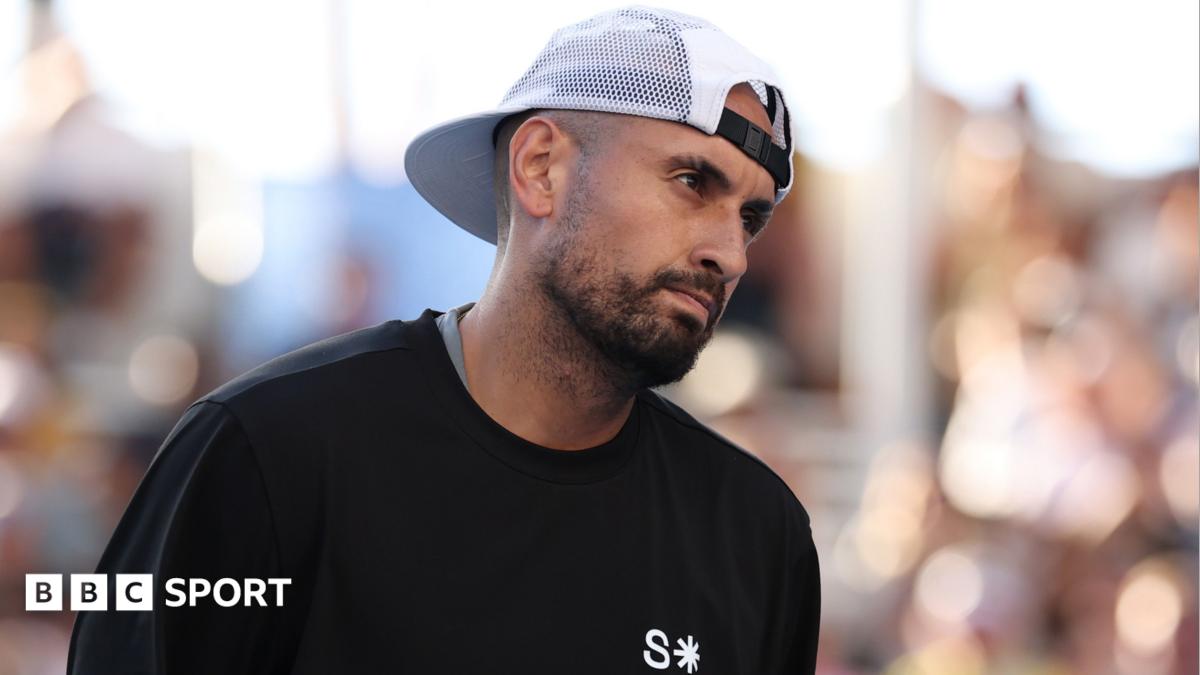
The International Tennis Integrity Agency (ITIA) has provisionally suspended Australian tennis player Nick Kyrgios after he tested positive for cocaine. The suspension, which took effect on 4 August, follows a sample submitted by Kyrgios during the Mallorca Open on 22 June that tested positive for benzoylecgonine, a metabolite of the drug.
Kyrgios, a former world number 13, has not appealed the provisional suspension to date. In a statement posted on Instagram, the 31-year-old accepted full responsibility for the breach, describing the incident as a "huge mistake." He apologised to his fans, family, sponsors, and the children who follow him, acknowledging the poor example set by his actions.
The athlete cited significant mental and physical struggles resulting from recent knee and wrist injuries as contributing factors to his lapse. Kyrgios noted that the toll of his injuries had been difficult to accept, particularly as he nears the end of his career. He announced he would step away from social media and public life for 28 days to focus on his recovery.
Under the terms of the suspension, Kyrgios is barred from playing, coaching at, or attending Grand Slams and any events sanctioned by the men's and women's tennis tours. The sample was collected during an in-competition event at the Mallorca Open, where he lost in the first round to Adam Walton. While reduced sanctions typically apply to positive tests for cocaine out of competition, the in-competition nature of this sample triggered the current provisional ban.
Kyrgios has played only four singles matches this season and last competed in the men's doubles at Wimbledon, where he and partner Alexander Bublik were defeated in the first round. The Australian has won seven ATP Tour singles titles and reached the Wimbledon final in 2022. He has previously spoken openly about mental health challenges, including a suicide contemplation and time in a psychiatric hospital following his 2019 Wimbledon loss.
Cocaine is classified as a stimulant and substance of abuse on the World Anti-Doping Agency's prohibited list. The ITIA confirmed that while Kyrgios has the right to appeal the decision, he has chosen not to exercise that option at this stage.