Kyle Busch's death prompts scrutiny of NASCAR's culture of toughness
The passing of two-time champion Kyle Busch has triggered a review of the sport's prevailing ethos, with drivers and family members acknowledging that the pressure to remain competitive may have influenced his decision to race while ill.
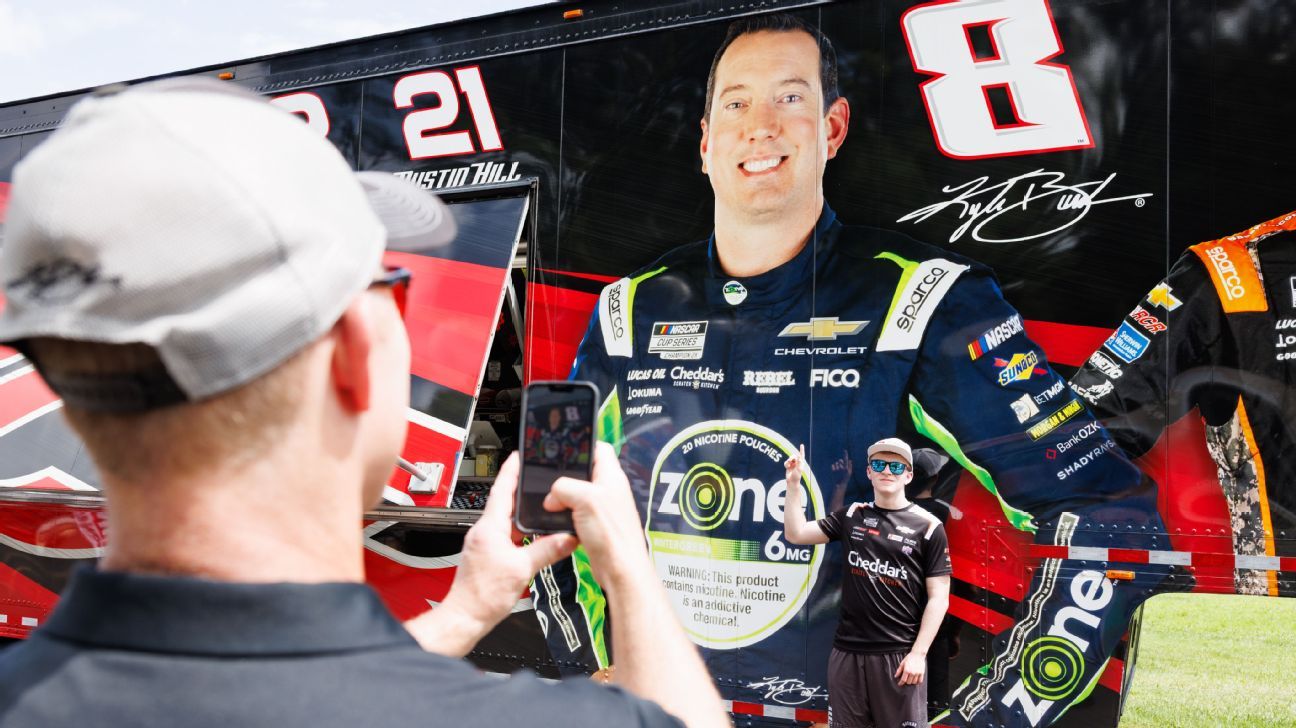
The death of NASCAR driver Kyle Busch from sepsis, following pneumonia, has triggered a review of the sport's prevailing culture of toughness and risk-taking. Busch, 41, died on 21 May, six days after his final victory at the Dover truck race and four days after his last race. The incident has highlighted broader issues regarding male healthcare avoidance and the physical demands of motorsport, with some drivers acknowledging that the ethos of pushing through illness remains deeply embedded in the sport.
Colleagues and family members discussed how the pressure to remain competitive and the desire to mentor his son, Brexton, may have influenced Busch's decision to continue racing while unwell. Busch had a specific "succession plan" to transition from full-time racing to coaching his 11-year-old son, a child racing prodigy. His brother, Kurt Busch, stated that doctors described the rapid worsening of Kyle's condition as "one in a million," noting that the tragedy was the consequence of an ambitious plan to stay competitive long enough to share a track with Brexton.
Driver Bubba Wallace stated that the sport's ethos has not changed, asserting that he would not stop racing if he were sick. Wallace, who estimated he had not seen a doctor in the past decade, described the decision to stop as "a waste of time." He recalled Busch's postrace comments after his final victory, where Busch said, "You never know when the last one is," encapsulating the mindset of a driver who viewed death as the only reason to stop.
The incident has also drawn attention to the physical toll of the sport. During a typical NASCAR race, a driver's heart rate accelerates to 140-170 beats per minute for the majority of the race, which can last anywhere from three to five hours. Temperatures in the driver's seat range from 120 to 140 degrees, and researchers have measured drivers' core body temperatures reaching 102 degrees. In the summer, drivers often leave the car six to eight pounds lighter than when they buckled in, suffering from severe dehydration.
Richard Childress Racing, which Busch joined for the 2023 season, declined to answer questions regarding what the team knew about Busch's health in the weeks leading up to his death. Through a spokesperson, Kyle's widow, Samantha Busch, declined an interview request. The family's transparency in sharing the cause of death has been credited by one fan, Joseph Mendoza, with saving his own life after he sought urgent care for similar symptoms.
Brexton Busch won his first race on 17 July, 57 days after his father's death. The incident has prompted a broader examination of how the sport's culture of toughness intersects with driver safety and healthcare access, with peers reflecting on the fine line between competitive drive and self-preservation.