Kyiv under fire: Russia launches largest ballistic missile barrage of war amid Ukrainian defence shortages
Ukraine’s air force intercepted 18 of the missiles in early July 2026, but officials warn of critical Patriot munitions shortages as geopolitical tensions mount alongside cabinet reshuffles.
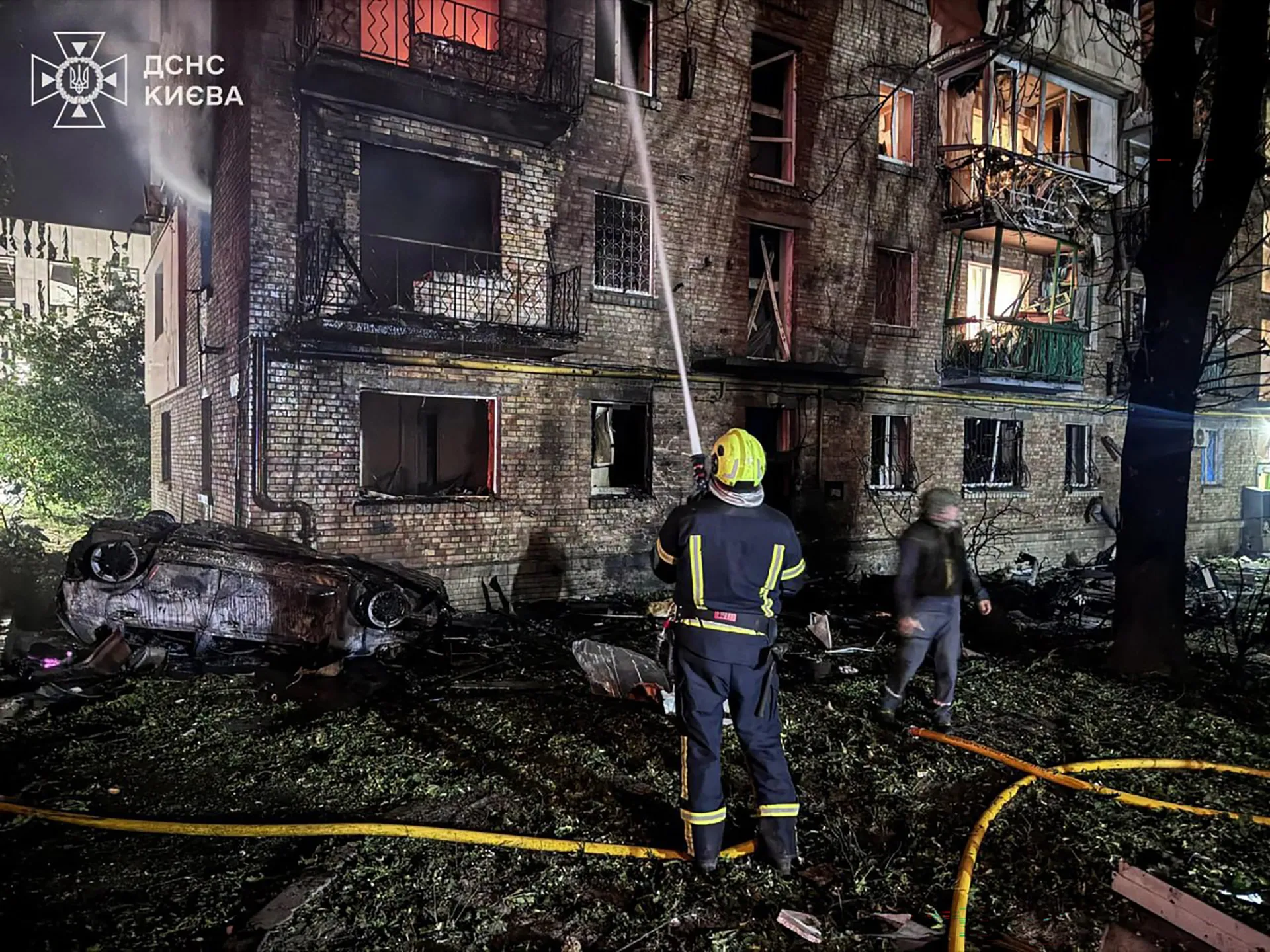
Russia has launched its largest ballistic missile attack on Kyiv since the commencement of the war, striking the Ukrainian capital in early July 2026 with a barrage that killed one person and injured at least 15. The overnight assault, described by Ukraine’s Foreign Minister Andrii Sybiha as a “brutal terrorist attack,” targeted six districts of the city, causing significant damage to residential buildings, offices, industrial sites, and a dormitory.
Ukraine’s air force reported downing 18 of the 41 ballistic missiles launched during the hours-long bombardment. Despite these interceptions, the strikes ignited fires across the capital, with rescue workers extracting residents from burning structures in the Sviatoshynskyi and Shevchenkivskyi districts. The State Emergency Service confirmed that while a fire in a non-residential building was contained, the broader infrastructure damage underscored the vulnerability of the city to sustained aerial assaults.
The attack highlights a critical operational challenge for Kyiv: a severe shortage of Patriot air defence munitions, which remain the primary defence against ballistic threats. This vulnerability comes as Russia has employed large-scale ballistic missile waves against Kyiv on at least seven occasions in July alone. The disparity between the volume of incoming fire and the available interceptors has intensified concerns regarding the sustainability of Ukraine’s air defence capabilities in the conflict’s fifth year.
Domestic political tensions have concurrently escalated following President Volodymyr Zelenskyy’s recent decision to remove Defence Minister Mykhailo Fedorov as part of a cabinet reshuffle. The move has sparked protests on the streets of Kyiv and expressed dismay among military personnel, with some critics characterising the dismissal as a significant strategic error during a period of active combat. The political friction adds a layer of governance complexity to the immediate security crisis.
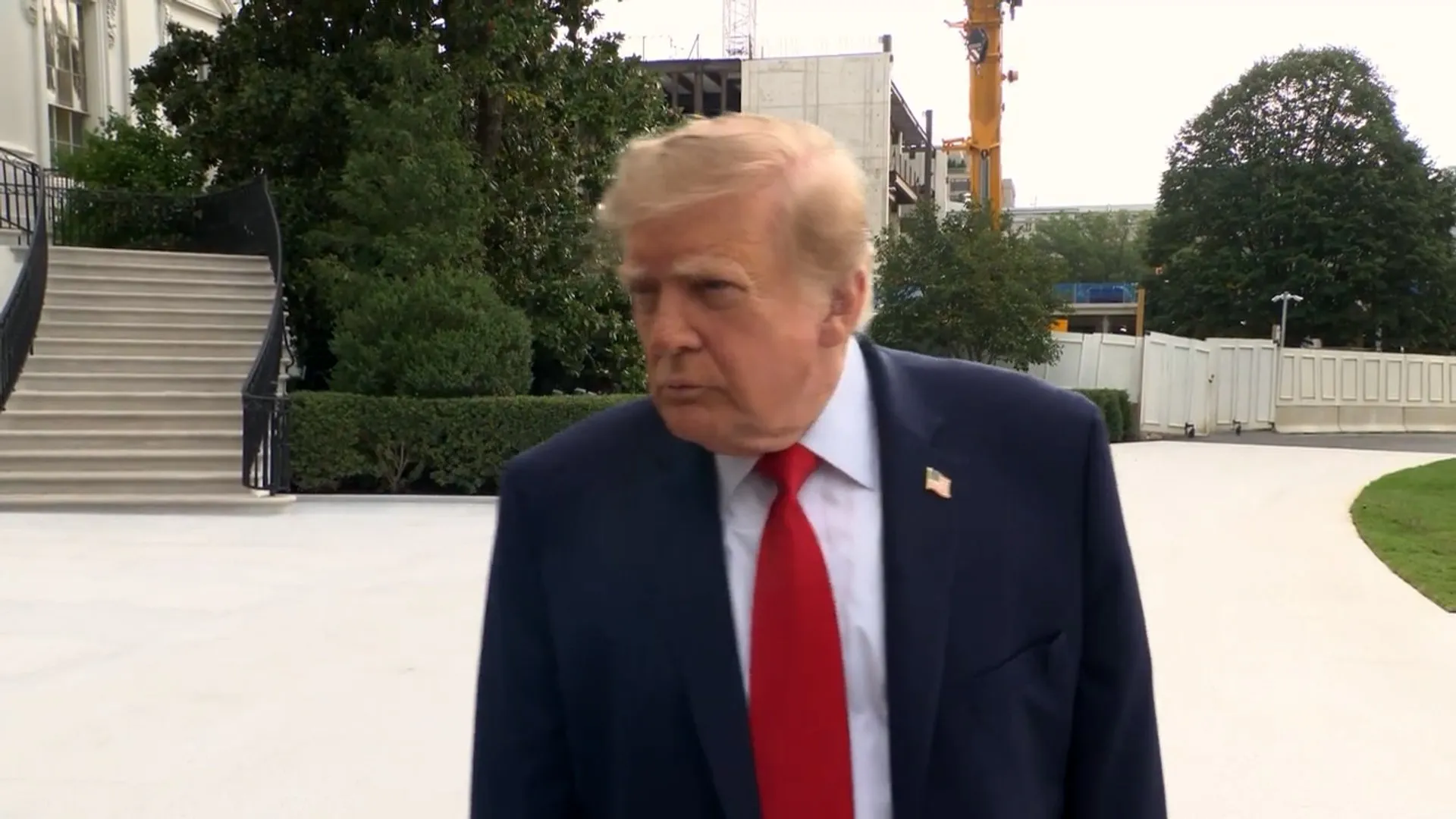
In response to the escalating threat, US President Donald Trump indicated a willingness to grant Ukraine licences to produce Patriot interceptor missiles domestically, a move that could potentially alleviate supply constraints, though specific details and timelines remain unclear. Meanwhile, Ukrainian forces reported striking two Russian oil tankers in the Black Sea, continuing efforts to disrupt fuel supplies to the occupied peninsula of Crimea. Separate Russian drone strikes also caused casualties in the Dnipropetrovsk and Zaporizhia regions, including the death of a train conductor.
Ukraine’s Foreign Minister Andrii Sybiha called for increased international pressure on Moscow to end the attacks. “We need devastating pressure on Moscow to end this terror,” Sybiha stated, reflecting the government’s stance on the need for a robust diplomatic and military response. The incident marks a significant escalation in kinetic activity, with casualty figures remaining preliminary as authorities continue to assess the full extent of the damage and human cost.