Syria centralises security apparatus in major leadership reshuffle
The overhaul follows a series of security incidents in Damascus and coincides with renewed diplomatic engagement from France and the United States.
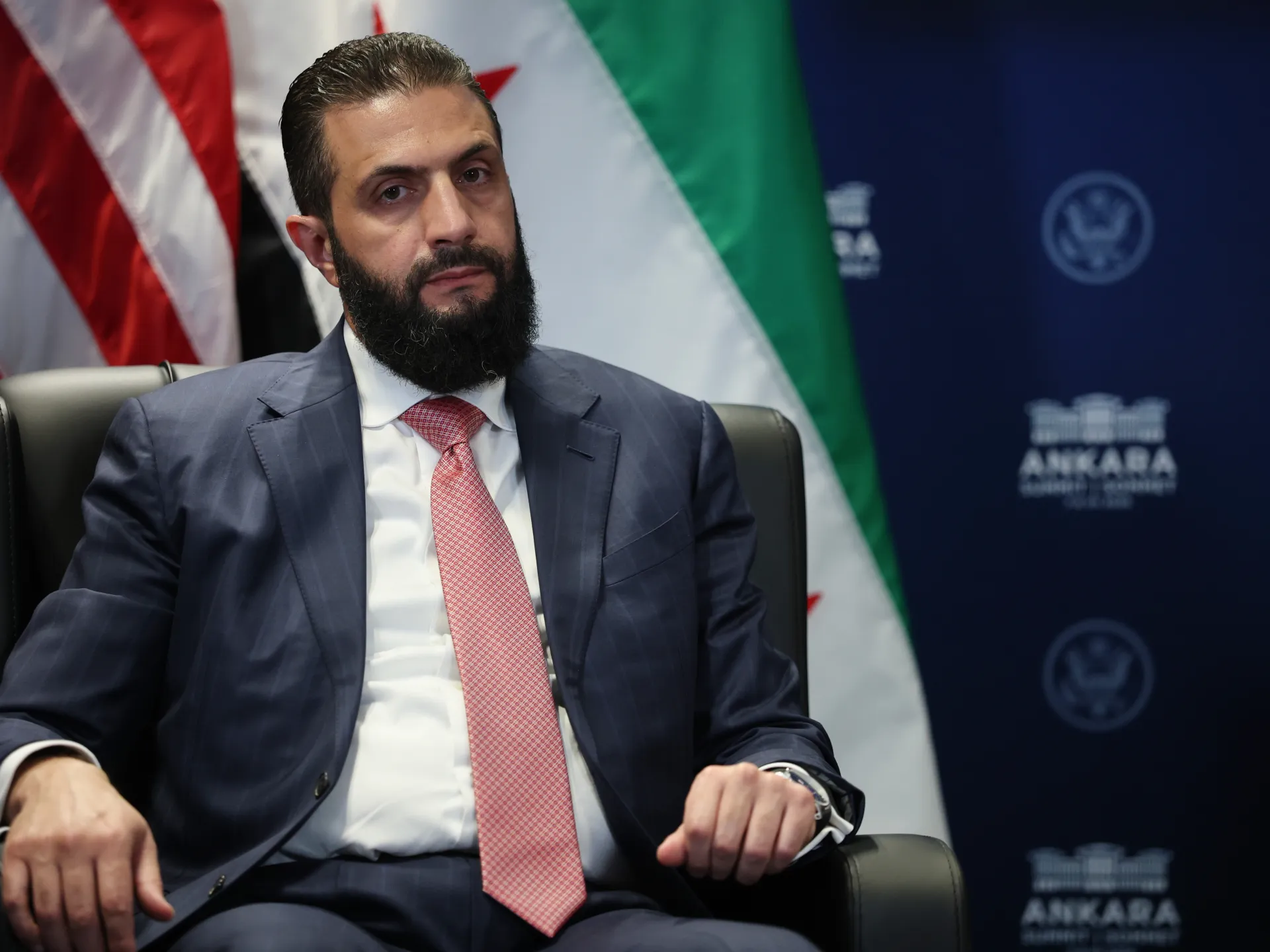
Syrian President Ahmed al-Sharaa has announced a significant restructuring of the country’s security and intelligence architecture, consolidating authority under Interior Minister Anas Khattab. The changes, reported by the state news agency SANA on Sunday, see Khattab appointed as head of the newly empowered National Security Bureau while retaining his portfolio as interior minister.
Hussein al-Salamah has been named deputy head of the National Security Bureau, and Mulham al-Shantout appointed assistant interior minister for security affairs. Abdul Qader Tahan has been installed as the new head of the General Intelligence Service, a position that now sits legally under Khattab’s oversight, effectively merging policing and intelligence functions under a single command structure.
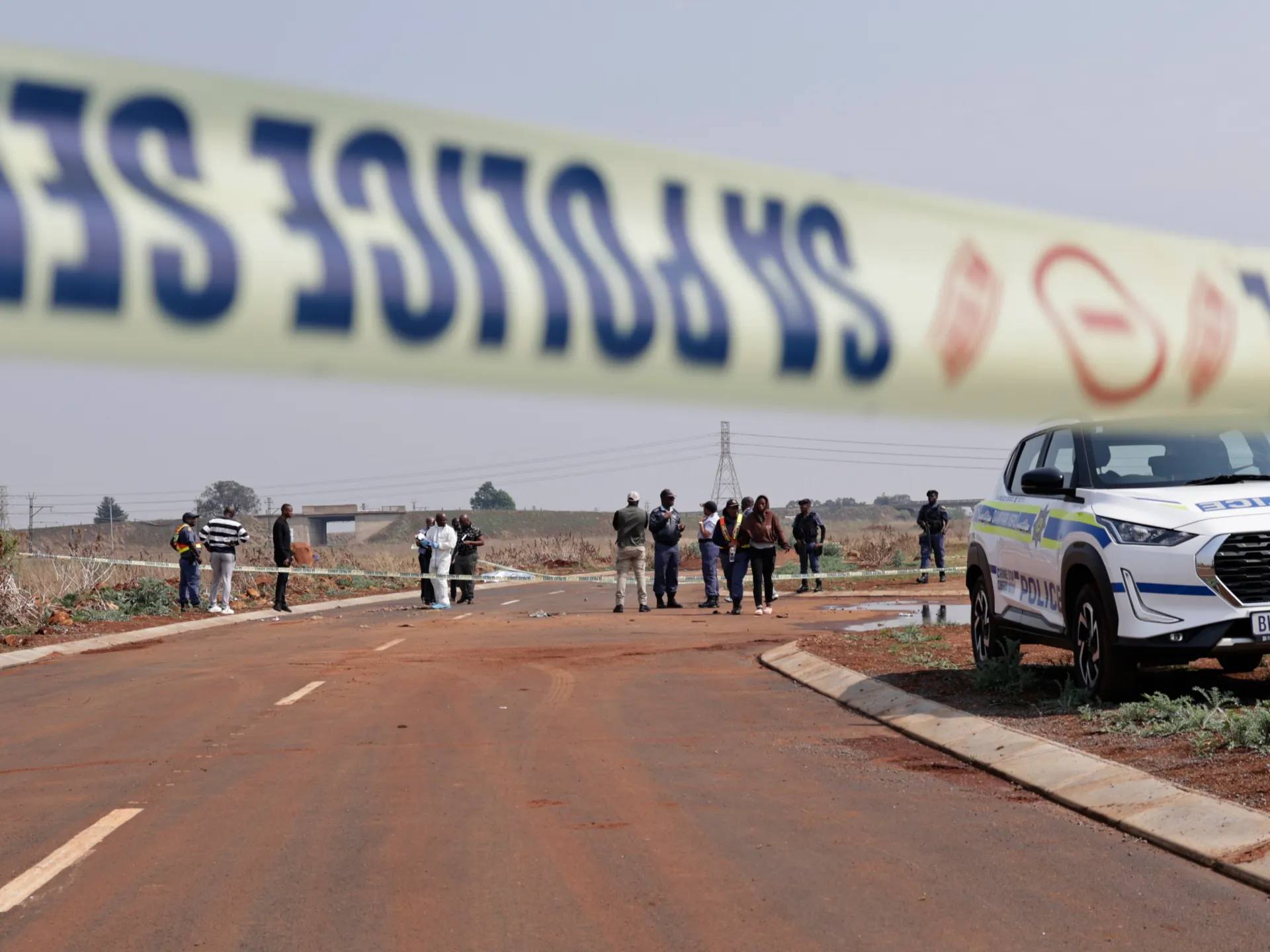
Authorities stated the reshuffle aims to strengthen national security, promote stability, and remove bureaucratic obstacles to reconstruction. The move comes after a turbulent period for Damascus, marked by an explosion near the main judicial complex on 2 July that killed at least 10 people, and subsequent bombings on 7 July that left one person dead and 36 wounded. Syrian authorities have arrested members of an ISIL-linked cell blamed for these attacks.
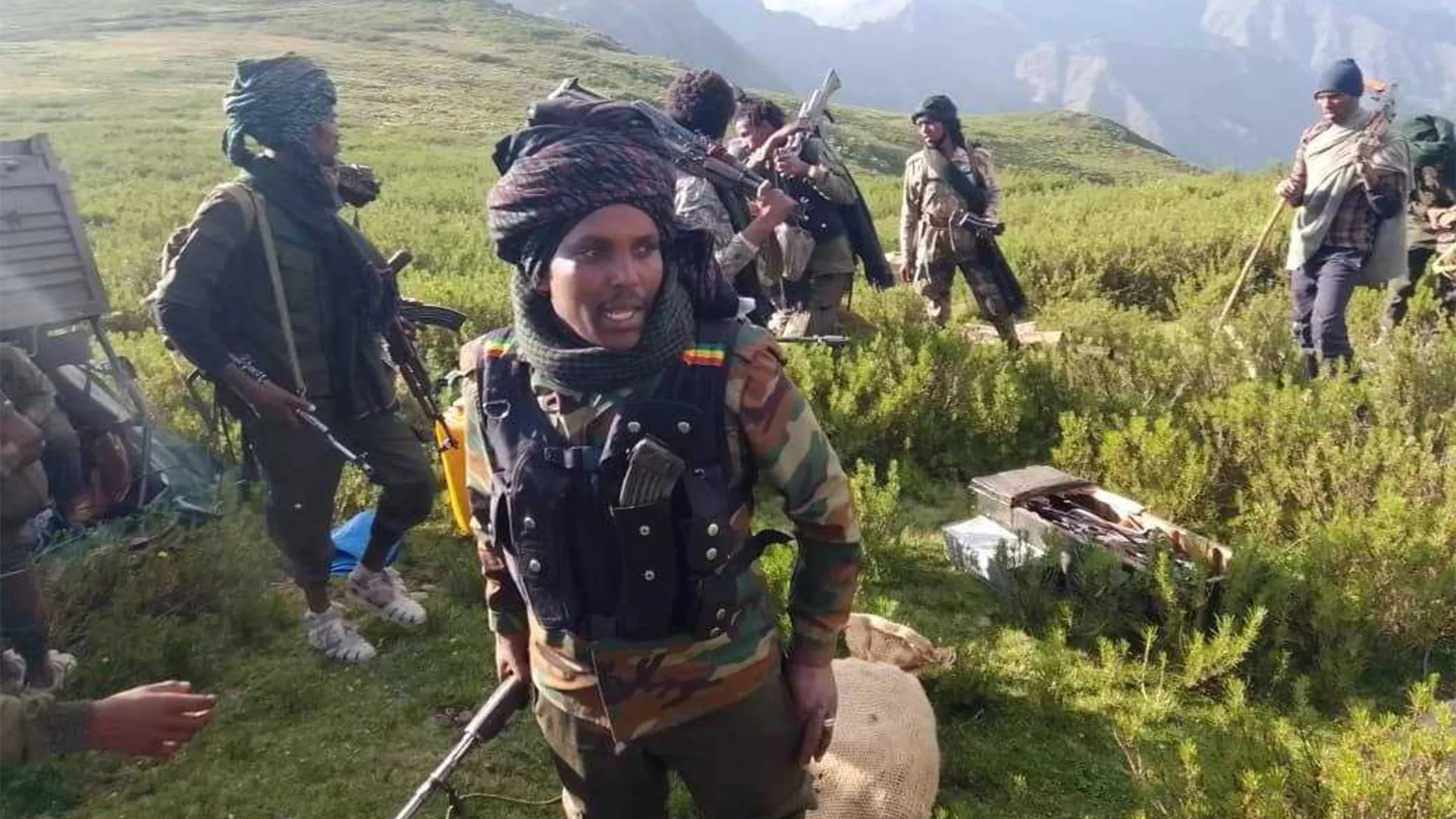
The structural changes also follow the interception of a shipment of missiles, rockets, and drones concealed in an oil tanker at the Iraqi border earlier this month. Customs officers alleged the weapons were bound for Hezbollah, an allegation the Iran-aligned group denied. Analysts suggest the consolidation of power reflects an effort to formalise structures from al-Sharaa’s previous administration in Idlib, where Khattab previously oversaw overlapping intelligence and policing duties.
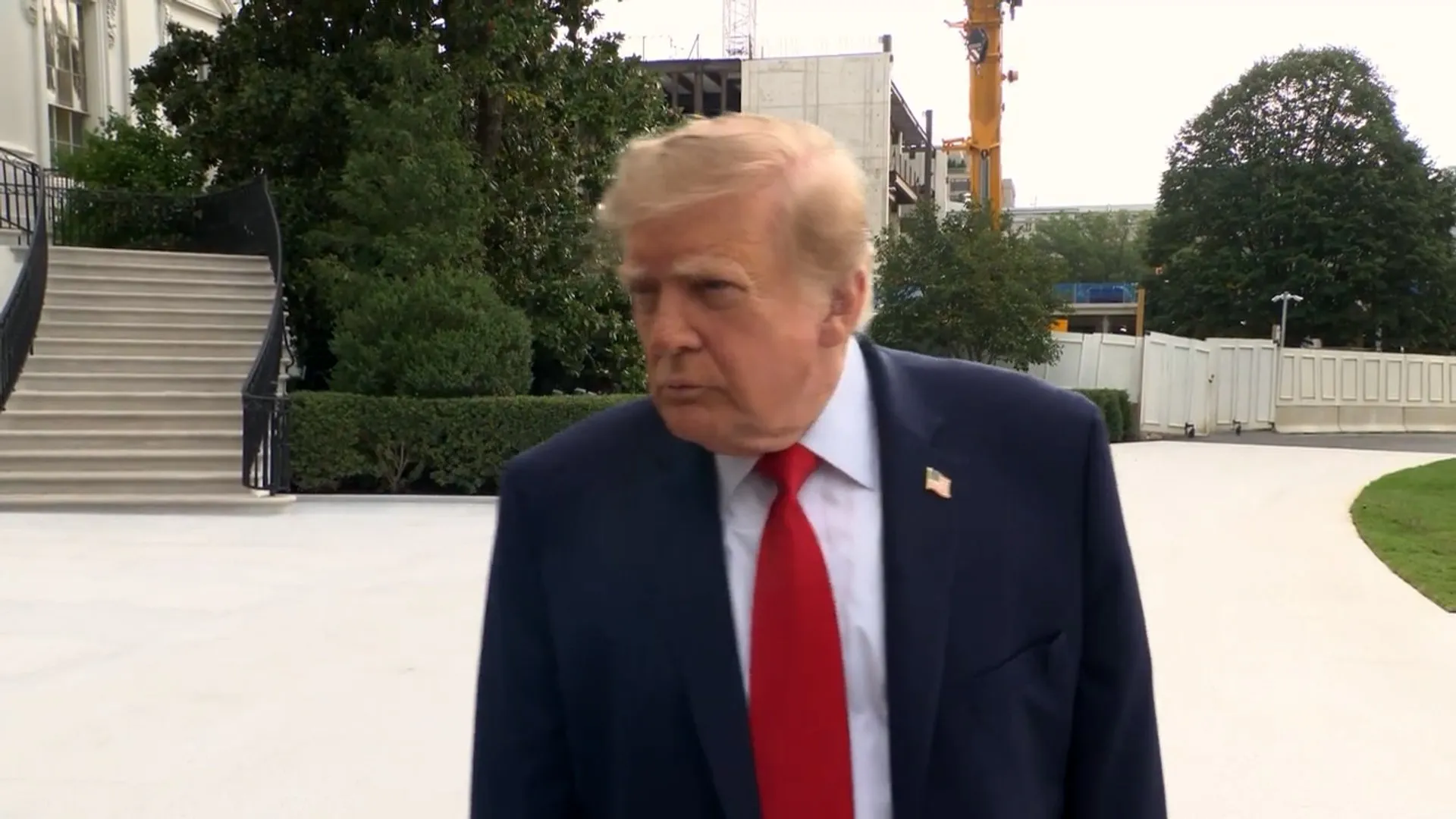
This internal reorganisation coincides with a shift in Syria’s international standing. French President Emmanuel Macron recently restored full diplomatic relations with Syria during a visit to the presidential palace. Days later, US President Donald Trump met al-Sharaa at a NATO summit in Turkiye, announcing Syria’s removal from the US list of state sponsors of terrorism. The transitional government, formed in January 2025 following the departure of former President Bashar al-Assad, has sought to present itself as a unifying force while centralising control over the country’s fragmented security apparatus.