Kuwait activates air defences in response to alleged Iranian attack
Gulf state deploys defensive systems following attack attributed to Tehran, with no immediate details on damage or casualties.
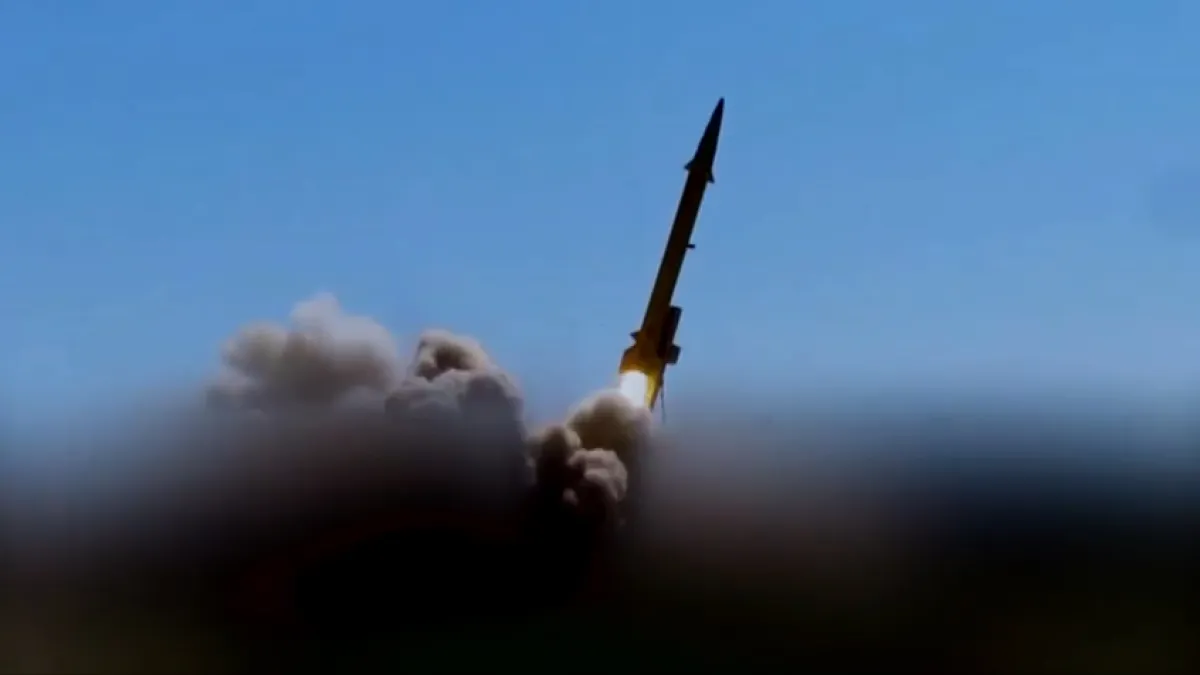
Kuwait has activated its air defences following an incident that its foreign ministry has characterised as a ‘heinous Iranian attack’. The deployment of defensive systems marks a significant security escalation within the Gulf state, though the precise nature of the threat and the extent of any resulting damage remain unconfirmed.
The Kuwaiti government issued a formal condemnation of the event shortly after the air defences were engaged. In its statement, the foreign ministry attributed responsibility for the attack to Iran, describing the action in strong terms. This attribution stands as the primary official account of the perpetrator, pending independent verification of the incident’s details.
Available reporting does not specify the method of the attack, leaving it unclear whether the incident involved missiles, drones, or other forms of aerial assault. Furthermore, there are no confirmed reports regarding casualties or the status of critical infrastructure. The focus of the initial response appears to have been on the activation of defensive protocols rather than on managing immediate physical consequences.
The timeline of events indicates that the air defences were activated prior to the public statement from the foreign ministry. This sequence suggests a rapid military response to a perceived threat, followed by a diplomatic and political framing of the incident by government officials.
While the original reporting headline references new strikes in the context of Iran-US trade, the body of the available text does not substantiate these additional claims. Current reports are limited to the activation of Kuwait’s air defences and the subsequent condemnation by the foreign ministry. The connection to broader trade disputes or additional strikes is not supported by the provided source material.
As details remain sparse, the international community is likely to monitor the situation for further clarification on the attack’s origin and impact. The attribution of the attack to Iran by Kuwait’s foreign ministry adds a layer of diplomatic tension to the region, though the full scope of the incident has yet to be established.
The incident highlights the ongoing security challenges in the Gulf region, where the activation of air defences serves as a critical indicator of heightened threat levels. Until further information is released, the exact circumstances of the attack and its implications for regional stability remain under review.
Kuwait’s response underscores the importance of rapid defensive measures in the face of unverified threats. The foreign ministry’s strong language reflects the seriousness with which the government views the incident, even as factual details regarding the attack itself remain to be fully disclosed.