Kushner to meet Netanyahu as Gaza peace plan stalls and regional tensions escalate
Jared Kushner seeks to revive a US-backed settlement following discussions with Hamas leaders, while National Security Minister Itamar Ben-Gvir calls for intensified strikes and Strait of Hormuz transit slows.
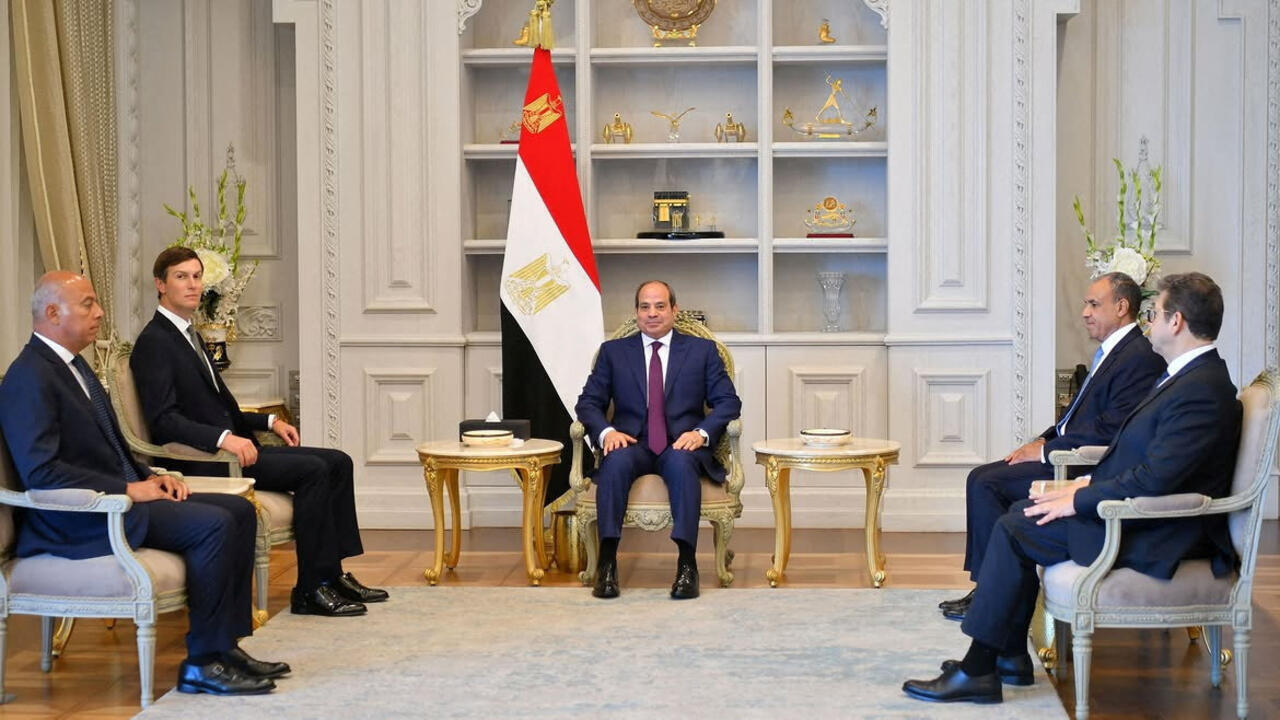
US envoy Jared Kushner is scheduled to meet Israeli Prime Minister Benjamin Netanyahu on Monday, following diplomatic discussions with Hamas leaders in El-Alamein, Egypt. The talks aim to revive a US-backed Gaza peace plan, which the Israeli government has previously rejected. The meeting occurs two weeks after Hamas endorsed the latest stage of the settlement framework, though Netanyahu has refused to support the proposal, insisting that any agreement must ensure the group is genuinely disarmed.
Kushner, the son-in-law of former US President Donald Trump, met with Hamas’s new leader, Khalil al-Hayya, on Sunday. According to sources with knowledge of the discussions, Kushner urged the group to take concrete, verifiable steps and conveyed the message that Gaza can never again be a source of terror for Israel. Hamas voiced its commitment to the plan during the talks, which also included envoys Nickolay Mladenov and Tony Blair.
The diplomatic push faces significant internal resistance within the Israeli coalition. National Security Minister Itamar Ben-Gvir publicly advocated for targeted assassinations of 30 to 40 people in Gaza each night, directly disagreeing with the Prime Minister’s recent decision to draw down strikes. Ben-Gvir made the comments during a podcast interview with former hostage Rom Braslavski, stating that individuals in Gaza who are not an immediate threat should be eliminated because they are not worthy of life.
Concurrently, regional instability is affecting maritime trade. Shipping through the Strait of Hormuz slowed significantly over the weekend following attacks on tankers. Shiptracking data from Kpler showed that only five commodity vessels transited the strait on Saturday, with none registered for Sunday, compared to 31 vessels in the prior weekend.
Diplomatic efforts to de-escalate broader regional conflicts have also encountered difficulties. US-Iran talks aimed at resolving the Middle East conflict have stalled. The current tensions follow a timeline of events including a US-mediated ceasefire framework agreed in June 2026, which mandated Hezbollah disarmament and a gradual Israeli withdrawal from Lebanon, and a ceasefire in Gaza that came into effect in October 2026.