Kosovo scheduled for snap parliamentary elections in June following institutional deadlock
The breakdown of the previous political alliance between Kurti and former President Vjosa Osmani has triggered a crisis that analysts warn could jeopardise hundreds of millions of euros in EU financial support
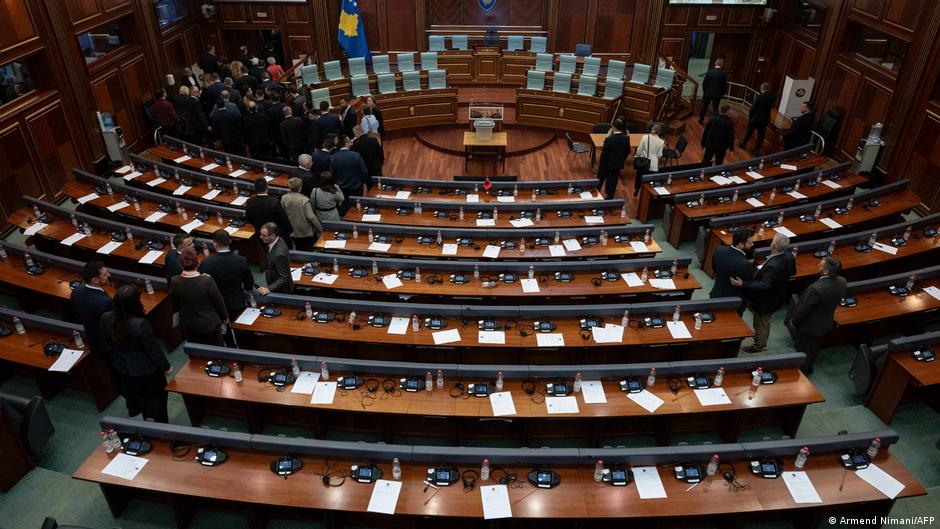
Kosovo is set to hold its third parliamentary election in 18 months after the legislature failed to elect a new president by the April 28 deadline. The Constitutional Court had ruled that date as the final limit for securing a candidate, and the subsequent failure to meet this requirement resulted in the immediate dissolution of parliament. Consequently, Prime Minister Albin Kurti's government, which was formed in February, has transitioned to a caretaker basis pending the outcome of the snap vote scheduled for June.
The immediate trigger for this constitutional crisis was the inability to secure the required 80 votes out of 120 seats for a presidential candidate. Prime Minister Kurti nominated Feride Rushiti, a civil society figure and human rights activist, in an attempt to break the impasse. However, opposition parties boycotted the nomination vote, preventing the election from proceeding. This outcome highlights a deepening rift between Kurti and former President Vjosa Osmani, whose term concluded in early April. Although the two leaders had previously formed a coalition, their partnership has proven inconsistent, particularly regarding foreign policy objectives.
Analysts suggest that the deadlock stems from a competitive dynamic rather than a fundamental policy divergence. Naim Rashiti from the Balkans Policy Research Group described the previous arrangement as an "ad hoc electoral alliance" between two ambitious actors who often hold opposing positions on political goals. While both leaders generally agreed on domestic matters, their differences over foreign policy have created confusion in the international arena. Former President Osmani, who served from 2021 to early April 2026, had initially sought re-election with Kurti's backing, but the Prime Minister later indicated he could not secure the necessary parliamentary majority for her candidacy.
The political instability has raised significant concerns regarding the coherence of Kosovo's foreign policy and its strategic positioning. Ehat Miftaraj, a political analyst at the Kosovo Law Institute, noted that the frequent elections, while demonstrating a functioning democracy, indicate restricted capabilities for advancing the country's strategic interests. The lack of institutional stability has weakened Kosovo's position in the ongoing dialogue with Serbia and diverted energy away from advancing the agenda for European integration.
International observers warn that the prolonged crisis is actively hindering reforms recommended by the European Union. The inability to present a united front has led to questions regarding the consistency of Kosovo's diplomatic stance, which is perceived as a liability in international negotiations. This internal fragmentation means the country is devoting more resources to managing domestic crises than to pursuing its long-term integration goals within the bloc.
The consequences of this governance failure extend directly to the nation's economic prospects under the EU's new Growth Plan. Experts caution that the instability could result in Kosovo losing hundreds of millions of euros in financial support. As the country prepares for another election in June, the focus remains on whether the new parliamentary composition can restore the institutional stability required to secure vital funding and progress on rule of law reforms.