Knicks’ Draft Strategy and Second-Round Projections Take Centre Stage
With the reigning champions holding multiple second-round assets, the focus shifts to strategic roster construction and the evaluation of international and collegiate talent ahead of Wednesday’s proceedings.
ESPN has released its Round 2 mock draft for the 2026 NBA Draft, authored by Jeremy Woo and Ben Golliver, as the league prepares for the second phase of player selection. The second round commences on Wednesday at 8 p.m. ET, with the New York Knicks holding the No. 31 pick. The draft began on Tuesday with the Washington Wizards selecting BYU’s AJ Dybantsa first overall, followed by the Utah Jazz taking Kansas’ Darryn Peterson at No. 2. The Dallas Mavericks selected Morez Johnson Jr. ninth, reuniting him with Dusty May, who was named the Mavericks’ head coach on Monday.
The New York Knicks enter the second round with significant leverage, having added five second-round picks through three trades on Tuesday. Woo projects Louisville’s Henri Veesaar to be selected by the Knicks at No. 31, noting that New York had considered the prospect at No. 24 prior to their trade activity. Veesaar is described as offensively gifted for his size with consistent three-point range, though his mobility and physicality on the defensive end remain areas for development. The mock draft suggests that if the Knicks trade the pick, Veesaar remains a strong option to address potential depth needs up front.
Golliver highlights the complexity of the Brooklyn Nets’ draft strategy, describing their approach as unpredictable. After selecting four guards in the first round, including Mikel Brown Jr. at No. 6, the Nets still hold the No. 43 pick despite trading one second-round selection to the Minnesota Timberwolves in the Julius Randle deal. The analysis points to pressing roster needs and the challenge of balancing guard-heavy acquisitions with other positional requirements.
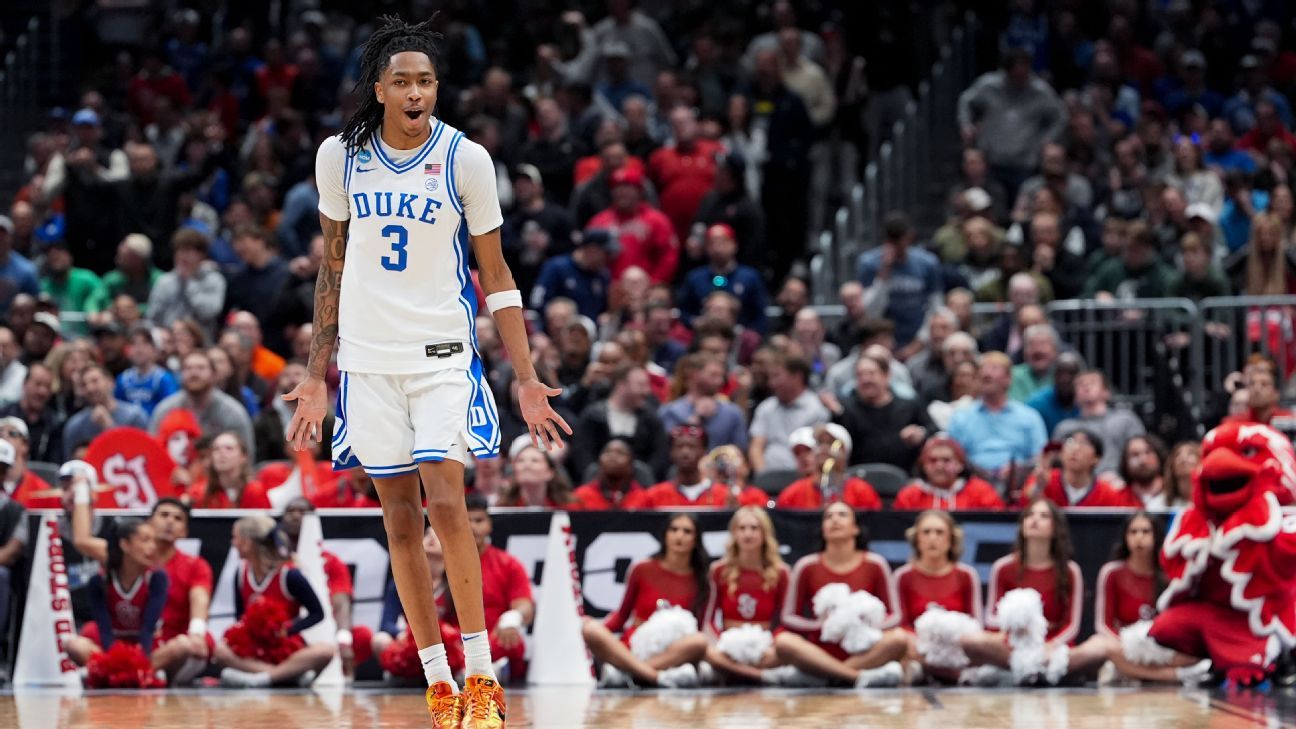
The mock draft provides extensive scouting reports for a wide array of prospects, outlining their strengths, weaknesses, and potential NBA roles. Ryan Conwell of Louisville is profiled as a physical two-guard with toughness and shooting ability, projected to go in the 30s. Other notable prospects include St. John’s Ejiofor, praised for his rebounding and defensive effort, and Duke’s Evans, whose long-range shooting is seen as a key asset despite consistency issues. The reports also cover international talent such as Vsevolod Ishchenko of Lokomotiv Kuban, who showed promise as a shooter and defensive playmaker in the VTB United League.
Additional profiles include Purdue’s Smith, the NCAA’s all-time assists leader, and Arizona’s Bradley, the Big 12 Player of the Year. The analysis underscores the varied pathways for these players, from immediate bench contributors to developmental projects. The comprehensive breakdowns aim to answer key questions regarding which teams are best positioned to find value in the second round and which under-the-radar prospects could emerge as steals.