Kinshasa hands over 15 prisoners to M23 under Doha Framework
The Democratic Republic of the Congo government has released 15 detainees to the Rwandan-backed M23 rebel group, a move facilitated by Qatar’s mediation. While the handover signals a potential shift in the long-running conflict, analysts remain cautious about whether the mechanism can address the root causes of the violence.
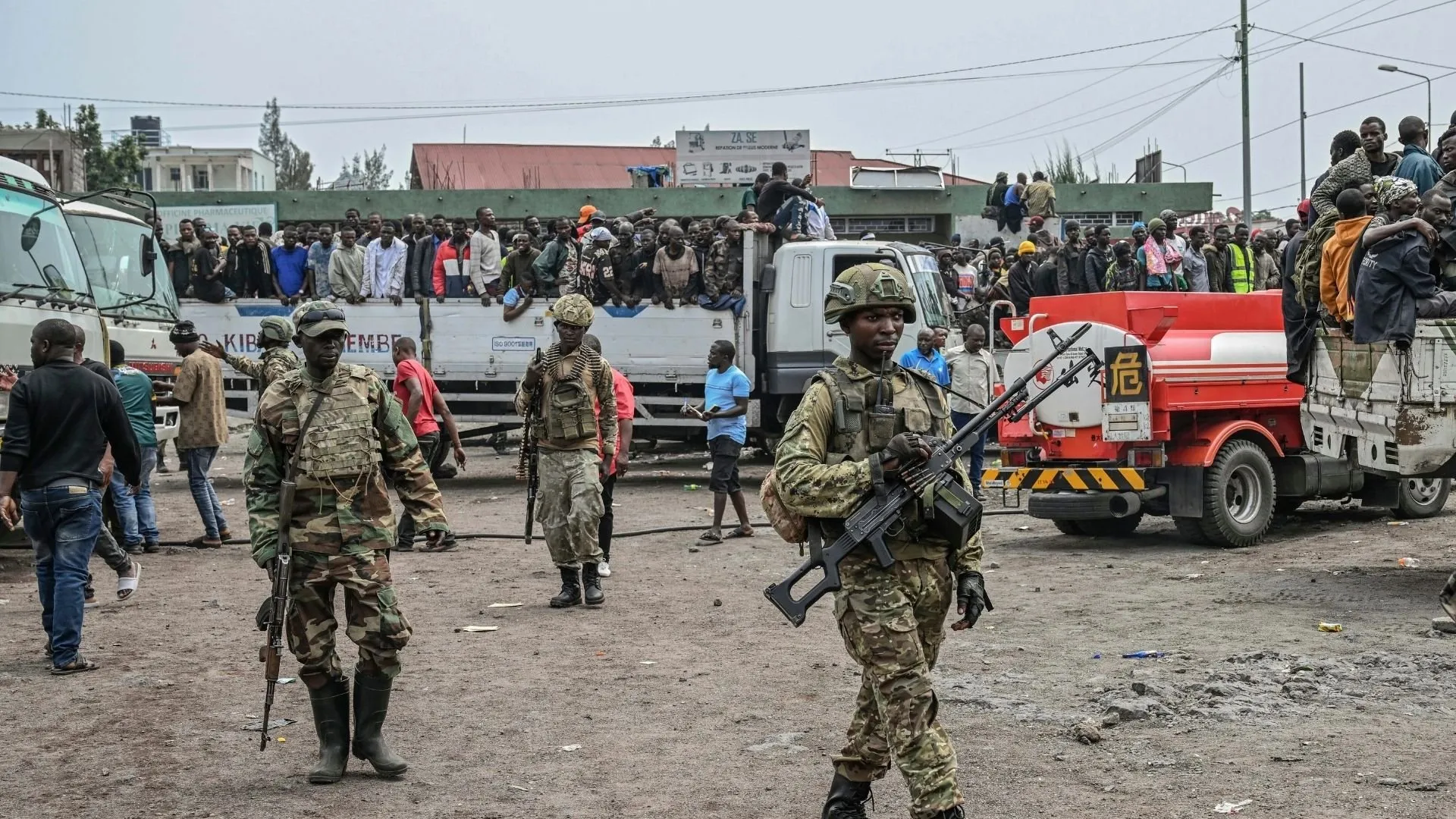
The Democratic Republic of the Congo government in Kinshasa has formally handed over 15 prisoners to the M23 rebel group, a faction described as being backed by Rwanda. This exchange represents a practical implementation of the Doha Framework, a peace agreement signed last year following mediation by Qatar. The move marks the first tangible step in a peace process that has been stalled for months, potentially paving the way to end the fighting in the eastern DRC.
The handover is part of a broader framework agreement designed to address the long-running conflict in the region. By facilitating the release and acceptance of these detainees, the parties involved are attempting to build momentum in negotiations that have previously failed to bring lasting peace. The involvement of Qatar in mediating the talks underscores the international interest in stabilising the eastern DRC, where violence has persisted despite numerous diplomatic efforts.
However, the significance of this prisoner exchange must be viewed against the backdrop of previous failed attempts to resolve the crisis. While the current development may be a small step, it raises critical questions about the efficacy of the Doha Framework in addressing the core issues driving the conflict. The long-running nature of the war in eastern DRC suggests that simple gestures may not be sufficient to secure a durable cessation of hostilities without deeper structural changes.
Observers are closely watching whether this mechanism can succeed where others have fallen short. The acceptance of the prisoners by the M23 indicates a willingness to engage, but it remains unclear if this will translate into a broader political settlement. The stability of the region continues to hang in the balance, with the international community, including Qatar University and regional analysts, monitoring the situation for signs of genuine progress.
As the peace process gains tentative momentum, the focus shifts to whether this exchange can serve as a catalyst for more comprehensive negotiations. The history of failed peace attempts in the eastern DRC serves as a cautionary tale, reminding stakeholders that without addressing the underlying political and security grievances, temporary measures may not prevent a relapse into violence. The coming weeks will be critical in determining the true impact of the Doha Framework.