Kim Yo Jong rejects claims of direct US-North Korea diplomatic contact
The North Korean leader’s sister has formally denied reports of ongoing communication with Washington, contradicting President Trump’s assertion that Pyongyang has responded positively to his proposal for talks.
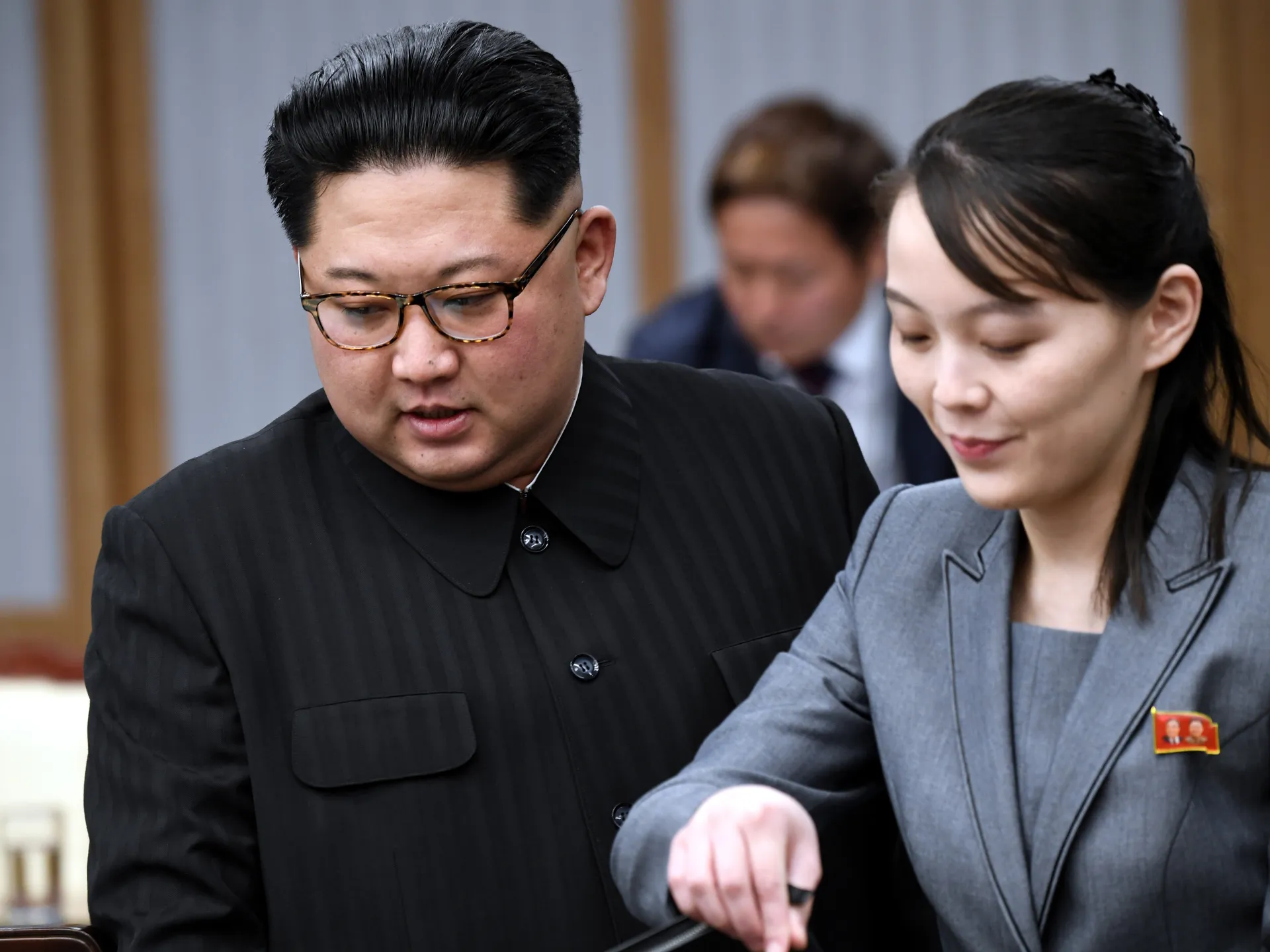
Kim Yo Jong, sister of North Korean leader Kim Jong Un, has issued a formal denial regarding reports of ongoing communication between her brother and US President Donald Trump. In a statement released by the state-run Korean Central News Agency on Wednesday, she described US policy as hostile and asserted that she was completely unaware of any such contact.
The denial directly contradicts remarks made by President Trump earlier in the week. On Monday, the US President told reporters that he had been in touch with Kim Jong Un, stating that the North Korean leader had been very positive in responding to his proposal for talks. Later on Wednesday, Trump reiterated that he gets along well with Kim and expressed his intention to meet the North Korean leader.
These diplomatic exchanges occur against a backdrop of significant tension between Washington and Seoul. Trump has expressed frustration with South Korea’s refusal to assist in the war against Iran, a stance that has led to broader questions regarding the utility of traditional military alliances. On Sunday, the US President ordered the Pentagon to significantly scale back joint military exercises with South Korea, a move that has altered the security landscape in the region.
The reduction in military cooperation follows Trump’s criticism of South Korea’s defence posture. The US maintains approximately 28,500 troops in South Korea, a legacy of the 1950–53 Korean War, which ended in an armistice rather than a definitive peace treaty. Trump has questioned the value of these alliances, including NATO, pressing member states to contribute more directly to the conflict in Iran and to increase their financial contributions for protection.
The current diplomatic friction marks a shift in the relationship between Washington and Pyongyang, which saw historic meetings in 2018 and 2019. Despite previous high-level engagements, including a meeting at the Korean Demilitarized Zone, analysts have noted that Trump’s courting of Kim has not yielded substantial results. North Korea has continued to expand its missile and nuclear capabilities and has deepened its alliance with Russia, including the deployment of troops to support Moscow in the war in Ukraine.
The contradictory claims from both sides leave the status of direct communication between the two leaders unclear. While Kim Yo Jong’s statement suggests a lack of official engagement, Trump’s insistence on a positive response indicates a divergent view of the diplomatic landscape. The situation remains a focal point for regional security and international policy.