Khalilzad revisits US missteps in Afghanistan and Iraq after 9/11
Former US diplomat Zalmay Khalilzad says anger, flawed intelligence and the failure to engage the Taliban shaped decisions that prolonged two wars.
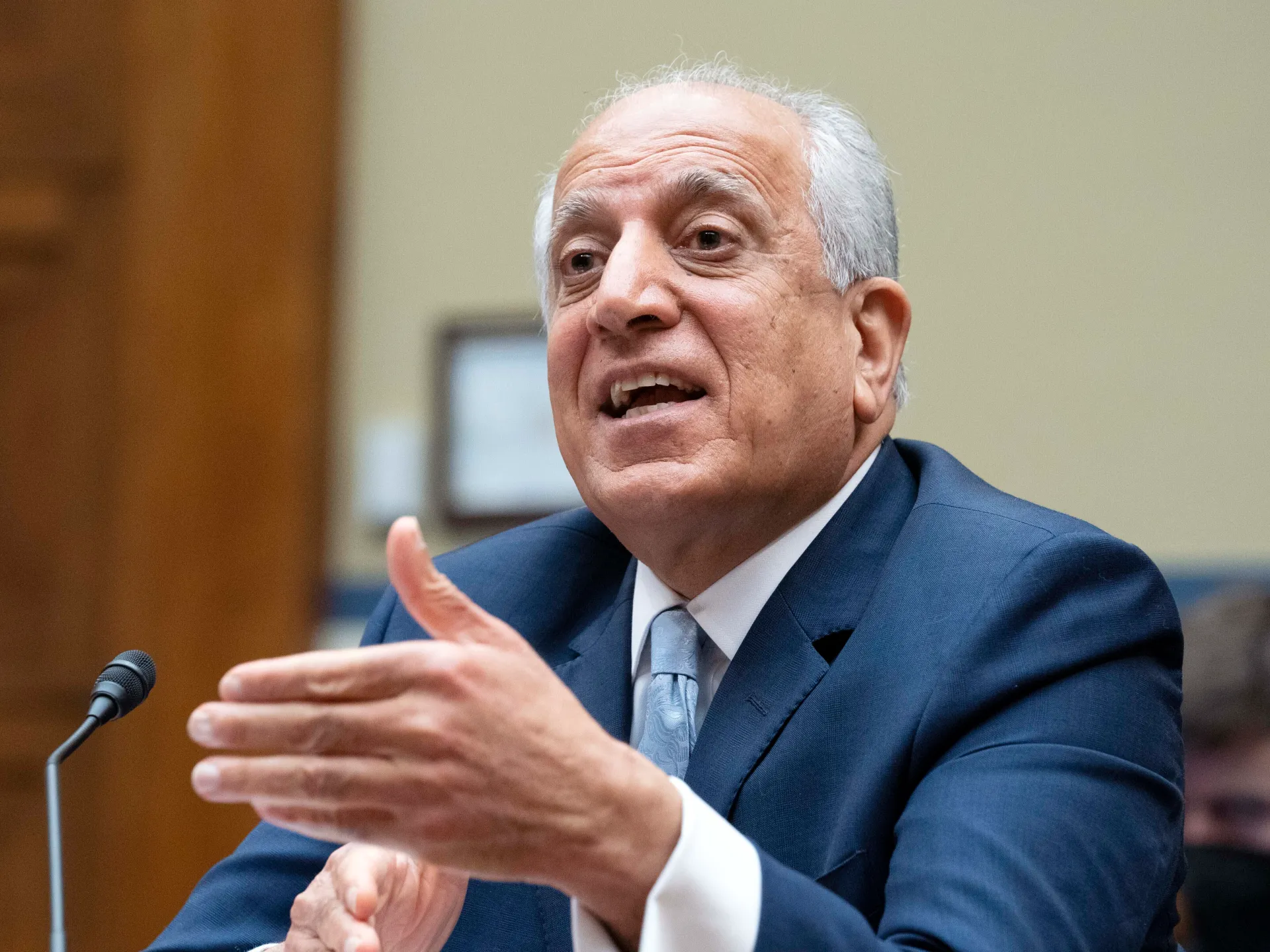
Former US ambassador Zalmay Khalilzad has identified post-9/11 anger and flawed intelligence as factors behind US decisions to invade Afghanistan and Iraq, while defending the withdrawal of American troops from Afghanistan in 2021.
Speaking to Al Jazeera, Khalilzad said the United States should have considered negotiating with the Taliban or including it in Afghanistan’s political process after the 2001 invasion. Reports that the Taliban was willing to strike a deal at the time have emerged since, although the account is not independently verified in the source material.
The United States invaded Afghanistan less than a month after the attacks, beginning a war that lasted nearly 20 years. Khalilzad, who was a senior National Security Council director under President George W Bush, said the urgency for action was driven by fear of further attacks and a desire to obtain information from al-Qaeda and the Taliban.
He also described the information and analysis used to justify the 2003 invasion of Iraq as problematic. The Bush administration cited intelligence about weapons of mass destruction that was later discredited. Khalilzad said the invasion would probably not have occurred without the 11 September attacks, as fears about a further surprise attack helped turn containment of Saddam Hussein’s government into its overthrow.
Khalilzad said he agreed with withdrawing US troops from Afghanistan after two decades, arguing that the terrorist threat that had driven the intervention had been substantially reduced. The US-backed Afghan government collapsed shortly after the withdrawal and the Taliban returned to power.
He further assessed that the Taliban had been “surprisingly” positive for US counterterrorism interests. That remains Khalilzad’s view rather than an established assessment of the Taliban’s conduct.