Kevin Keegan dies aged 75 following stage four cancer diagnosis
Family confirms the double Ballon d’Or winner passed away surrounded by loved ones seven weeks after his diagnosis, prompting tributes from clubs and colleagues.
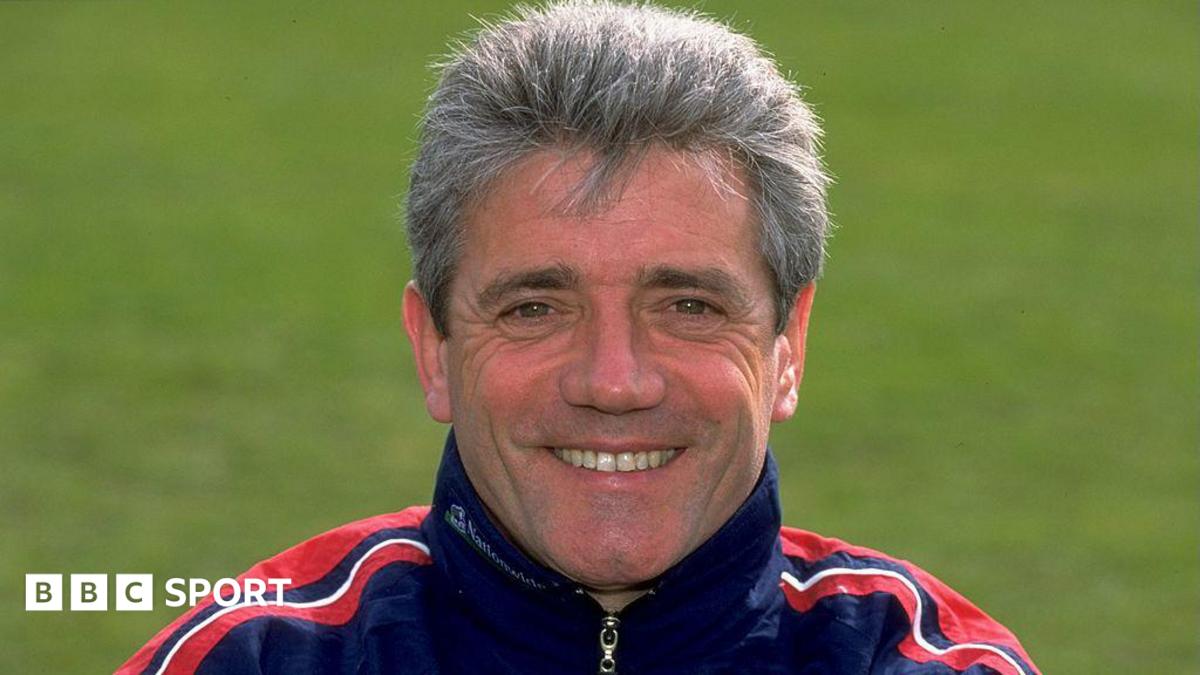
Kevin Keegan, a former England captain and manager for Newcastle United, Liverpool, England, and Manchester City, has died at the age of 75. His family confirmed the death, stating he passed away surrounded by his wife and daughters, seven weeks after revealing a stage four cancer diagnosis.
Keegan’s family issued a statement thanking his medical team and requesting privacy during this difficult time. "Kevin, a double Ballon d’Or winner, was a much loved husband, father and grandfather," the statement read. "This is a hugely difficult time and they are requesting space and privacy."
Tributes have been released from Newcastle United, Liverpool, Manchester City, and the England national team. Newcastle United described Keegan as "one of the most iconic, influential and deeply loved figures in our club's history," noting that his impact would live on in the memories he created with the club and country.
Former England and Newcastle player Alan Shearer posted a tribute on social media, referring to Keegan as "My Hero. My manager. My friend." Newcastle United head coach Eddie Howe had previously contacted Keegan in 2021 when taking over the club to seek advice on the club's mindset.
Keegan was a double Ballon d’Or winner in 1978 and 1979, and one of only four English players to receive the award. As a player, he represented Scunthorpe United, Liverpool, Hamburg, Southampton, and Newcastle United. At Liverpool, he won three league titles, the European Cup, two UEFA Cups, and the FA Cup.
He managed Newcastle United, transforming them into 'The Entertainers', as well as Fulham, England, and Manchester City. He managed the England national team from February 1999 to October 2000, leading them to Euro 2000 before resigning following a World Cup qualifying defeat to Germany.