Kazmierczak sentenced to 14 months for premeditated assault on Ilhan Omar
A 14-month prison term for a vinegar-syringe attack highlights the growing intersection of federal immigration policy and local political volatility in Minnesota.
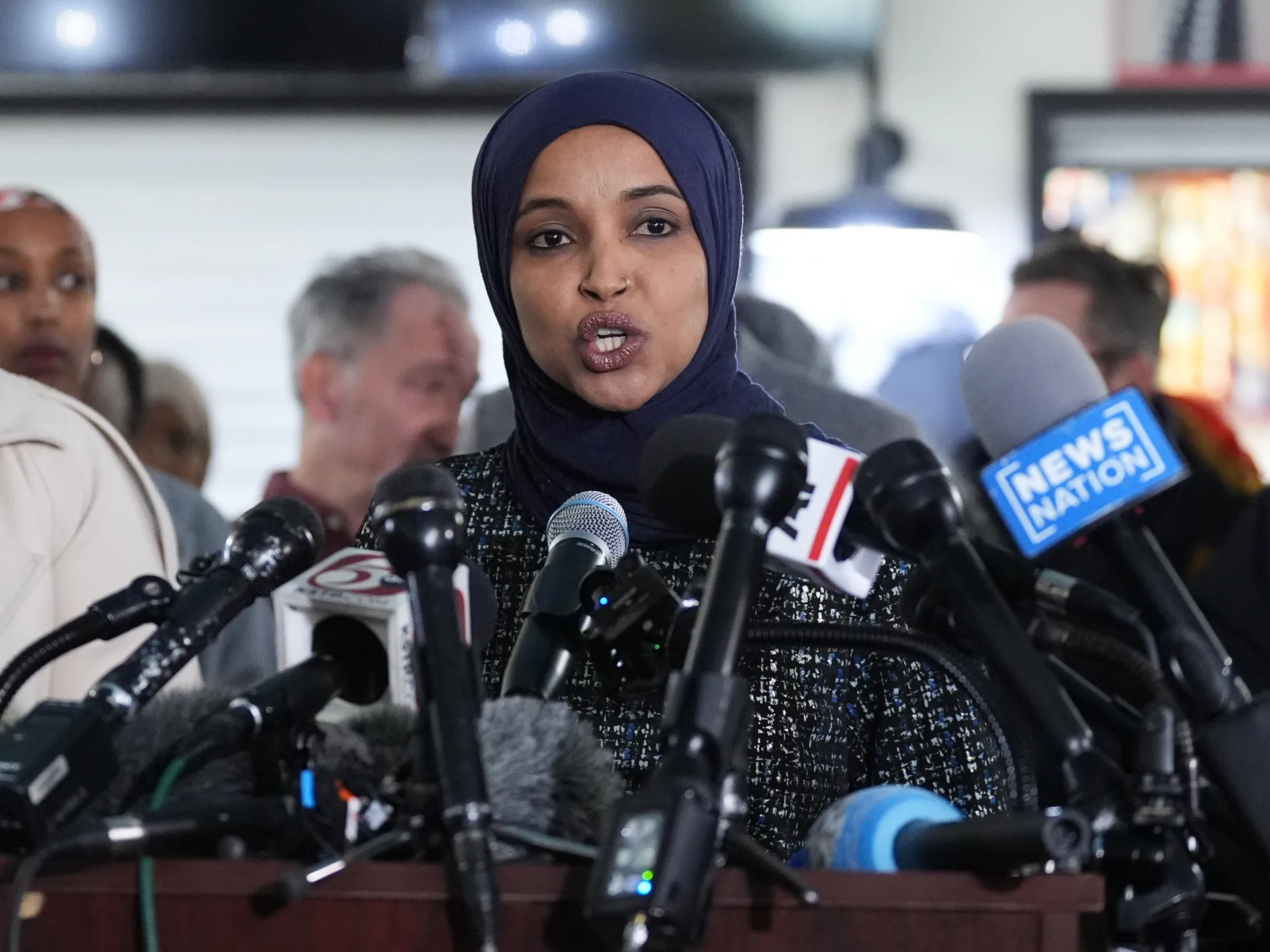
Anthony James Kazmierczak, 55, was sentenced to 14 months in prison on Thursday after pleading guilty to the premeditated assault of US Representative Ilhan Omar. District Judge Joan N Ericksen handed down the sentence following Kazmierczak’s admission that he targeted the congresswoman due to opposing political views. The original charge had been for assaulting a US officer, a designation that underscores the institutional weight placed on the safety of elected officials during public engagements.
The incident occurred on 27 January 2026 during a town hall in Minneapolis, where Kazmierczak sprayed Omar with a dark water-and-vinegar mixture from a syringe. Video footage showed the assailant leaping from the front row of the audience, yelling that Omar was “splitting Minnesota apart” and demanding her resignation. Security subdued Kazmierczak quickly, and Omar, who was not injured, proceeded with the remainder of the town hall.
Prosecutors argued the attack was premeditated, citing a sentencing memorandum that detailed text messages Kazmierczak sent to at least three people before the event. He also arranged for dog care and contacted a bail bond company, suggesting a level of planning that contradicted his earlier claim that his memory of the event was “fuzzy.” Despite this, Kazmierczak refused to answer specific questions regarding his intent during the hearing.
The political context of the assault was significant, as Omar had been calling for the abolition of the Immigration and Customs Enforcement (ICE) agency and the resignation of then-DHS Secretary Kristi Noem. This occurred against the backdrop of “Operation Metro Surge,” a federal immigration crackdown in Minnesota involving more than 2,000 officers. The operation had provoked intense civil unrest and led to the deaths of two US citizens, Renee Nicole Good and Alex Pretti, at the hands of federal agents.
Defence counsel John Fossum argued that Kazmierczak’s mental health played a role in the incident, noting that he had not been taking his medication, which lowered his inhibitions. Kazmierczak has a history of alcohol abuse, mental and emotional health concerns, and a 2022 diagnosis of Parkinson’s disease. In court, he apologised to Omar, stating, “I really apologise to her for having put her through that.”
US Attorney Daniel N Rosen described the incident as part of a “dangerous national trend” where political hatred is channelled into criminal acts. The case serves as a focal point for debates on the safety of public political discourse and the effectiveness of federal immigration enforcement in the state.