Kashmir seminary declared unlawful under anti-terror law
Leaders in Indian-administered territory condemn the move as part of a broader campaign of overreach against civic and religious institutions
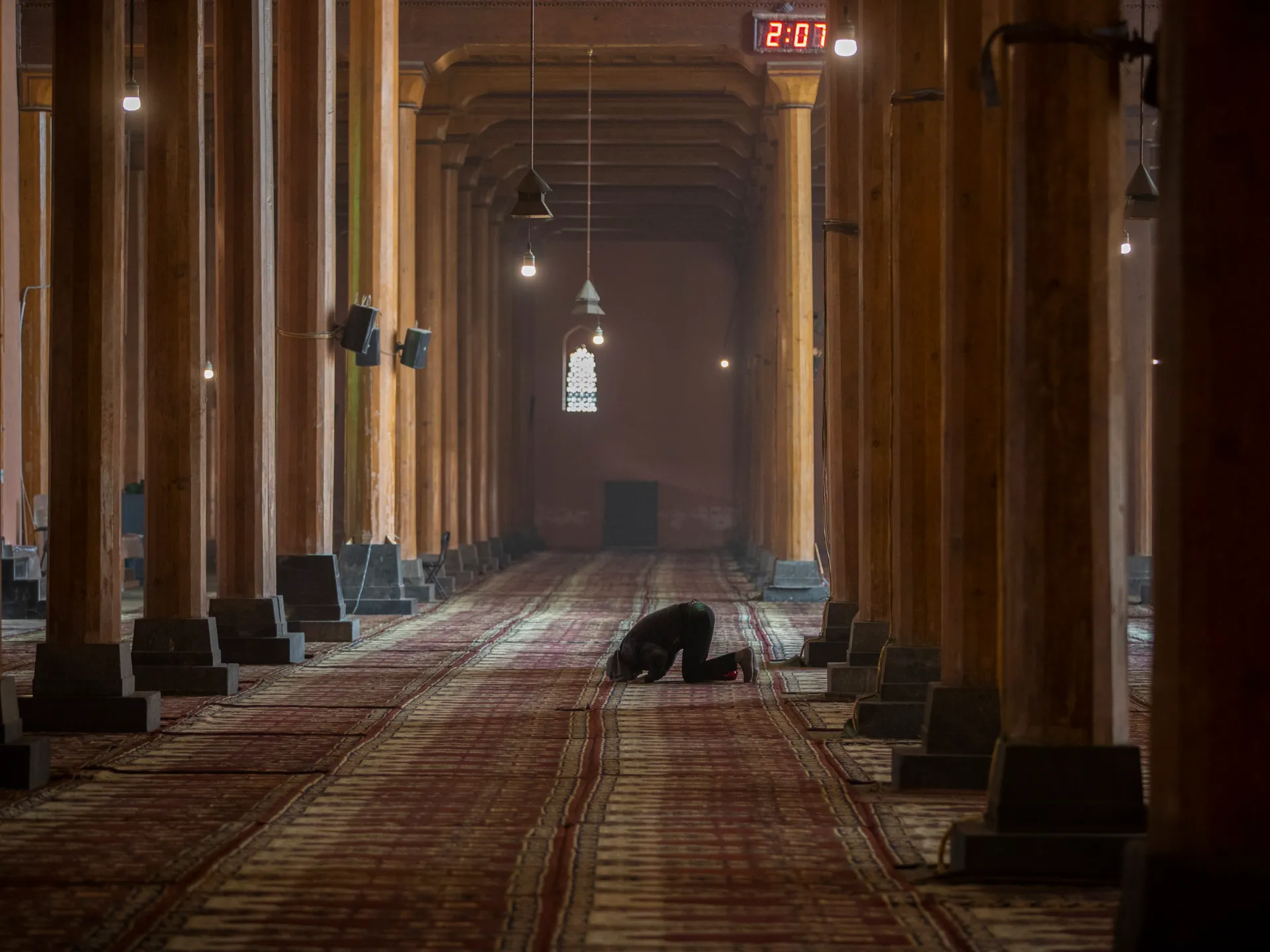
The Jamia Siraj-ul-Uloom seminary in southern Kashmir has been declared unlawful by Kashmir Divisional Commissioner Anshul Garg under the Unlawful Activities Prevention Act. The administrative order relies on a police dossier alleging sustained and covert links between the institution and the banned Jamaat-e-Islami party, alongside other charges concerning land use and financial transparency.
Seminary chairman Mohammad Shafi Lone has firmly rejected these allegations, stating that the institute is law-abiding and has no connection to the banned group. He noted that the declaration has created significant panic among the parents and students enrolled at the facility, which is recognised by the Jammu and Kashmir Board of School Education.
Critics within the region have characterised the move as a calculated dismantling of Kashmir's civic life. Parliamentarian Aga Syed Ruhullah Mehdi described a distinct pattern of targeting trusts, mosques, libraries, and non-governmental organisations, arguing that social institutions holding society together are being systematically strangled.
Former Chief Minister Mehbooba Mufti labelled the decision a flagrant injustice to underprivileged sections of society. She argued that banning altruistic institutions without solid evidence of antinational activity demonstrates deep-seated prejudice, highlighting that the school has produced doctors and scholars from backgrounds that could never afford private education.
Kashmir's top Muslim cleric, Mirwaiz Umar Farooq, questioned the administration's intent regarding harassment and disempowerment. He listed recent incidents, including property seizures and arrests under the Public Safety Act, asking how long the elected government will allow such policies to continue.
The order arrives amidst a backdrop of heightened surveillance and increased scrutiny of religious infrastructure. Earlier this year, police began profiling mosques, while the region's most prominent mosque, Jamia Masjid in Srinagar, has faced frequent closures and limits on gathering sizes since the 2019 transition.