Kashmir elections rescheduled amid security fears and JAAC boycott
The Chief Election Commissioner has divided polling dates following weeks of violent protests led by the banned Jammu Kashmir Joint Awami Action Committee, raising questions about the legitimacy of the vote.
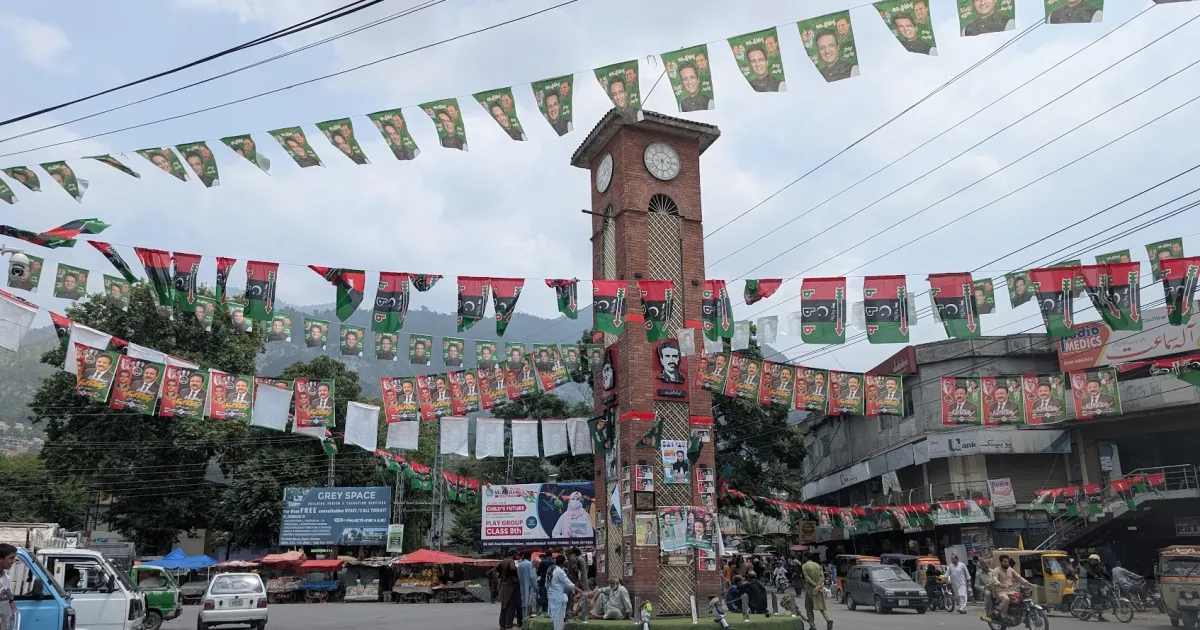
Elections for the provincial legislature in Pakistan-administered Kashmir have been rescheduled following weeks of violent protests and a government crackdown. Voting in the Mirpur division will proceed on July 27, while polls in the Poonch division, the epicentre of unrest, are delayed until August 10. Voting for 12 seats reserved for Kashmiri refugees living in Pakistan is set for August 2. The agitation, led by the banned Jammu Kashmir Joint Awami Action Committee (JAAC), centres on demands to abolish the refugee seats. The unrest has resulted in dozens of deaths, internet blackouts, and restricted access to the Poonch division.
The election schedule change was announced by Chief Election Commissioner Justice (retired) Ghulam Mustafa Mughal, citing security concerns. The protests, led by the Jammu Kashmir Joint Awami Action Committee (JAAC), are primarily focused on abolishing the 12 assembly seats reserved for Kashmiri refugees who settled in Pakistan after 1947. JAAC was declared a proscribed organisation under anti-terrorism legislation in June, and its leader, Shaukat Nawaz Mir, has been arrested.
Several JAAC-affiliated candidates who attempted to contest as independents had their nomination papers rejected. The unrest has resulted in an internet blackout across almost the entire territory, with exceptions only for banks and government offices, and restricted access to the Poonch division, disrupting supply chains. The death toll from the unrest remains disputed, with conservative estimates placing it at nearly 30 people since early June.
Pakistan Peoples Party (PPP) chairman Bilawal Bhutto Zardari has proposed establishing a Truth and Reconciliation Commission to examine the situation. The AJK Supreme Court ruled in June that the refugee seats can only be abolished through a formal constitutional amendment, not through public protest.
Political analysts and voters express deep scepticism regarding the legitimacy of the upcoming polls. With major democratic forces absent from the ballot and a significant portion of the electorate calling for a boycott, the election is viewed by many as a selection rather than a contest. The government insists the process must proceed, but the social divisions and economic disruptions suggest the underlying grievances remain unresolved.
The campaign trail has been severely impacted by the security environment. Traditional campaigning methods have been replaced by door-to-door efforts and loudspeaker announcements due to the internet shutdown. While some voters distinguish between supporting the protest movement and participating in the democratic process, others view the current political landscape as fundamentally broken. The outcome of these elections will likely reflect the deep disconnect between the governing institutions and the populace.
The situation in Pakistan-administered Kashmir highlights the fragility of its semi-autonomous governance structure. The refusal to address the core demands of the JAAC, combined with the legal and political barriers to changing the electoral framework, has created a stalemate. As polling approaches, the territory remains under heavy security restrictions, with the potential for further unrest if the election results are not accepted by the broader population.