Iran rejects military solution as Trump’s China visit is overshadowed by conflict
Iran’s foreign minister has declared that Iranians will “not bow down” and dismissed the prospect of a military resolution to the dispute with Washington, as President Donald Trump’s visit to China is dominated by the unresolved war in the Middle East.
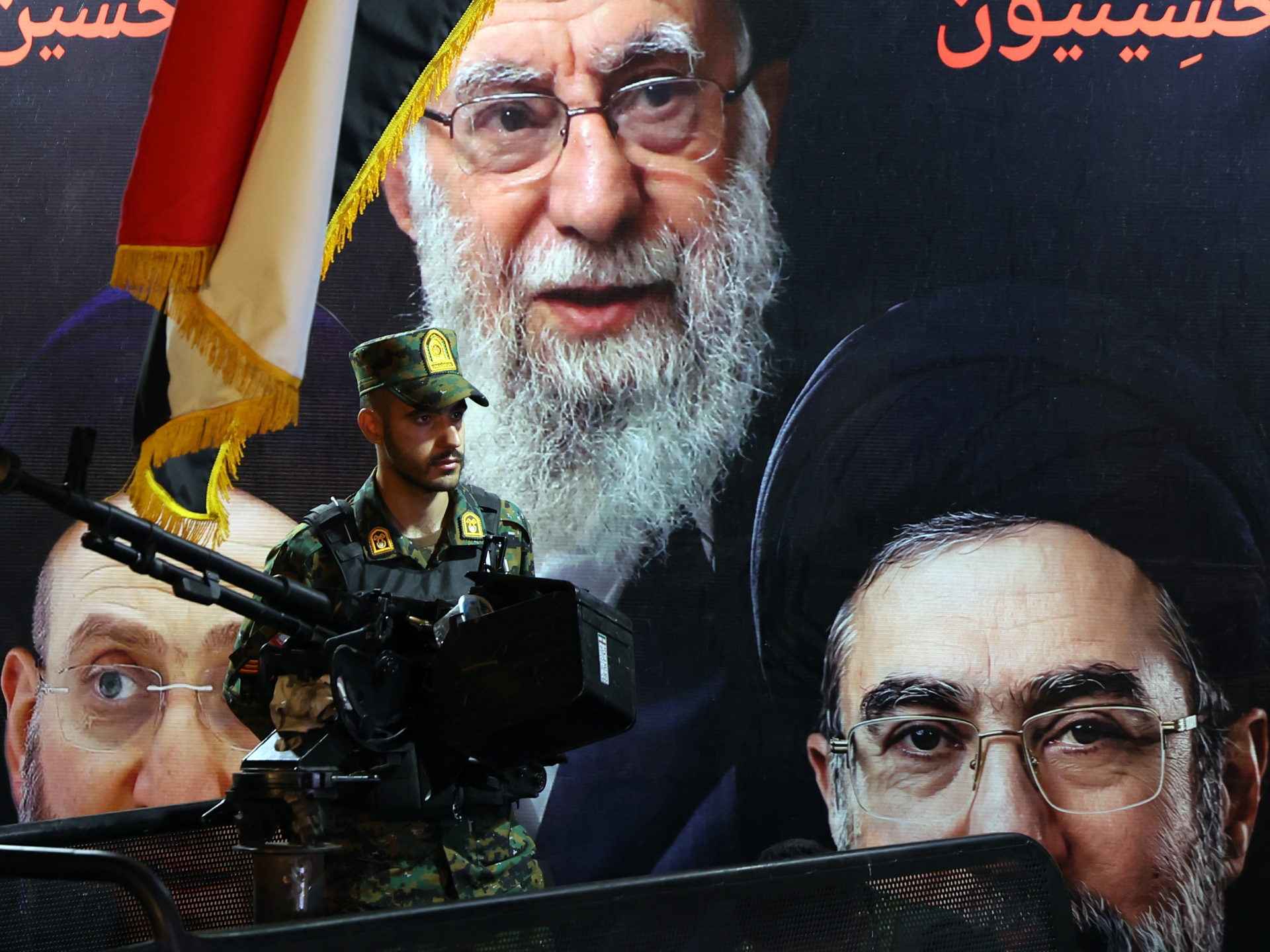
The diplomatic engagements surrounding US President Donald Trump’s visit to China are being heavily influenced by the ongoing, unresolved conflict with Iran. As the President travels through Asia, the geopolitical landscape is defined by Tehran’s firm rejection of military outcomes and the broader strategic implications for Washington’s global posture.
Iran’s foreign minister issued a stark assertion regarding the conduct of the dispute, stating that Iranians would “not bow down” to external pressure. The official further clarified the Iranian government’s position by asserting that there is no military solution to the disputes with Tehran, signalling a continued reliance on diplomatic or political avenues rather than capitulation.
The persistence of the conflict has drawn commentary on its unintended strategic consequences. Geopolitical analyst Steve Okun suggested on 14 May 2026 that China is deriving strategic benefits from the United States’ conduct in the war on Iran. Okun’s assessment implies that Washington’s military and diplomatic actions in the region are inadvertently strengthening Beijing’s position, adding a layer of complexity to the US-China interactions taking place during the visit.
Amidst these tensions, other diplomatic initiatives are proceeding with caution. King Charles’ four-day state visit to the United States is continuing as planned, including a private meeting with President Trump. The visit aims to strengthen US-UK relations and mark the 250th anniversary of American independence, despite existing differences between the two nations regarding the Iran war.
Concurrently, the US is managing security concerns in the Western Hemisphere. A delegation led by CIA Director John Ratcliffe met with Cuban officials in Havana to discuss regional security as Cuba’s energy crisis deepens. This engagement highlights the broad scope of US security challenges, ranging from the Middle East to the Caribbean, as the administration navigates multiple fronts of international instability.