Bolivia’s Paz refuses to resign as miners clash with police in La Paz
Small dynamite explosions were heard in the capital as demonstrators attempted to breach the presidential palace, though the administration has ruled out stepping down despite opening dialogue on subsidies.
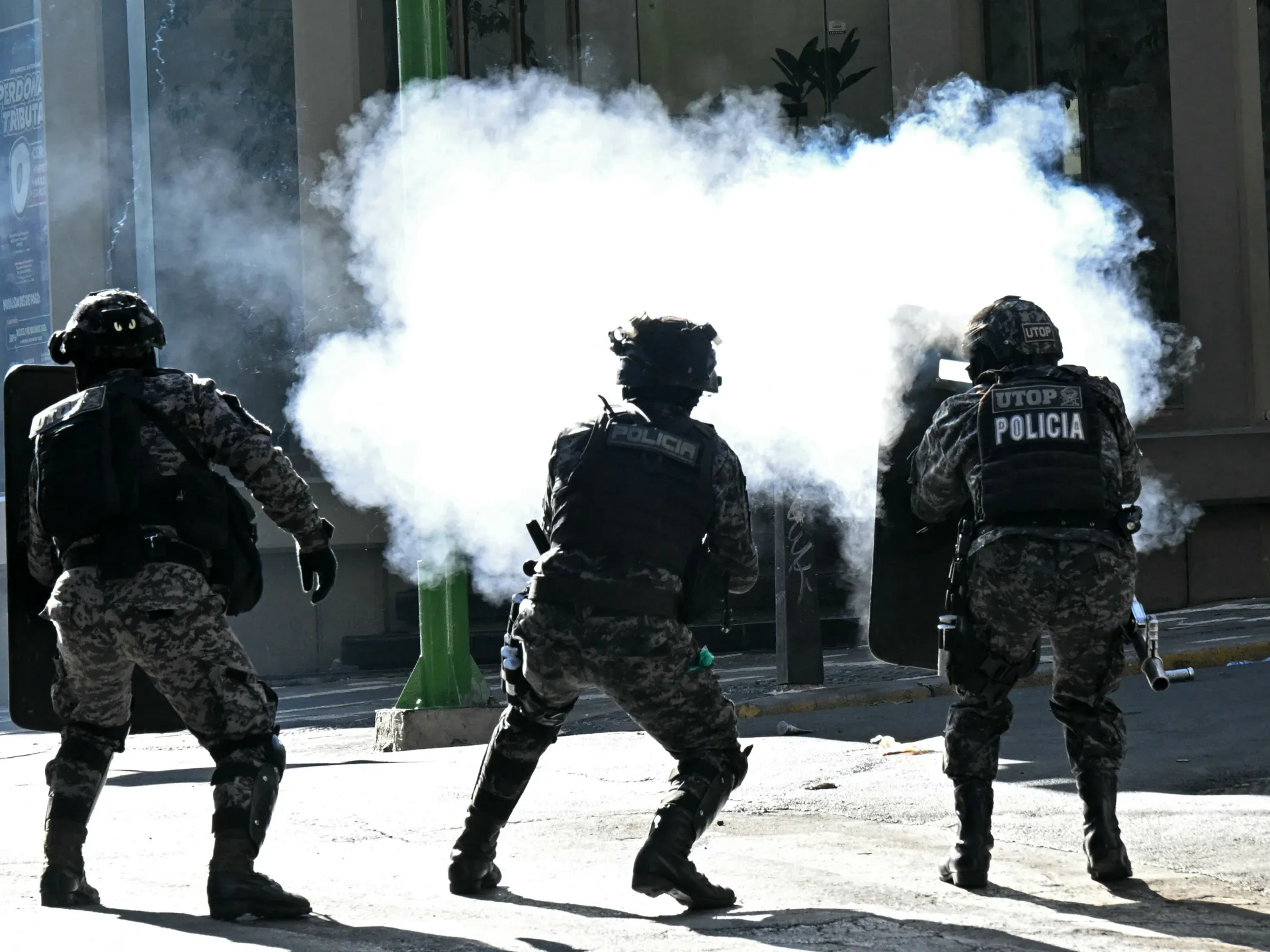
Mining groups and rural unions have clashed with law enforcement in La Paz, Bolivia, during an antigovernment protest marked by small dynamite explosions. Demonstrators, seeking the resignation of President Rodrigo Paz, attempted to breach the presidential palace on Thursday. The unrest follows weeks of road blockades and reflects widespread frustration over Bolivia’s severe economic crisis, characterised by soaring inflation, fuel shortages, and dwindling foreign currency reserves.
The demonstration highlights the collapse of Bolivia’s natural gas industry, which has transformed the country from a major exporter into a net importer reliant on foreign oil and gas. This structural shift has triggered supply shortages, with hospitals reporting a lack of basic supplies such as oxygen and medication, while consumers face long queues for fuel. The economic turmoil has persisted since Paz, a centre-right leader, was elected in October last year on a platform of economic reform, marking a political shift from the Movement Towards Socialism (MAS), which governed for much of the previous two decades.
Economy Minister Jose Gabriel Espinoza stated the government was “open to dialogue” regarding fuel subsidies, welfare benefits, and changes to agrarian reform measure Law 1720, which was repealed on Wednesday following public outcry. Earlier in the day, a group of 20 miners was invited to the presidential palace to meet with President Paz, according to Reuters. Despite these engagements, officials have refused to step down.
Mauricio Zamora, the minister of public works, services and housing, affirmed the administration’s stance earlier this month, stating that the president is not going to resign. Some of Paz’s allies have blamed the unrest on former President Evo Morales, who continues to draw popular support in rural areas. Morales, who led Bolivia from 2006 to 2019, is the subject of an arrest warrant for statutory rape and contempt of court.
Morales posted on social media on Thursday, accusing the government of using him as a scapegoat. He asserted that protesters are driven by social conscience rather than obedience to a single individual, echoing calls for officials to address the shortages of food, fuel, and other basic supplies. The unrest mirrors the pressure previously faced by Paz’s predecessor, Luis Arce, amid similar economic uproar.